- Deputy minister tells Parliament that normal deliveries and medically necessary operations will be provided free, but implementation details remain unclear
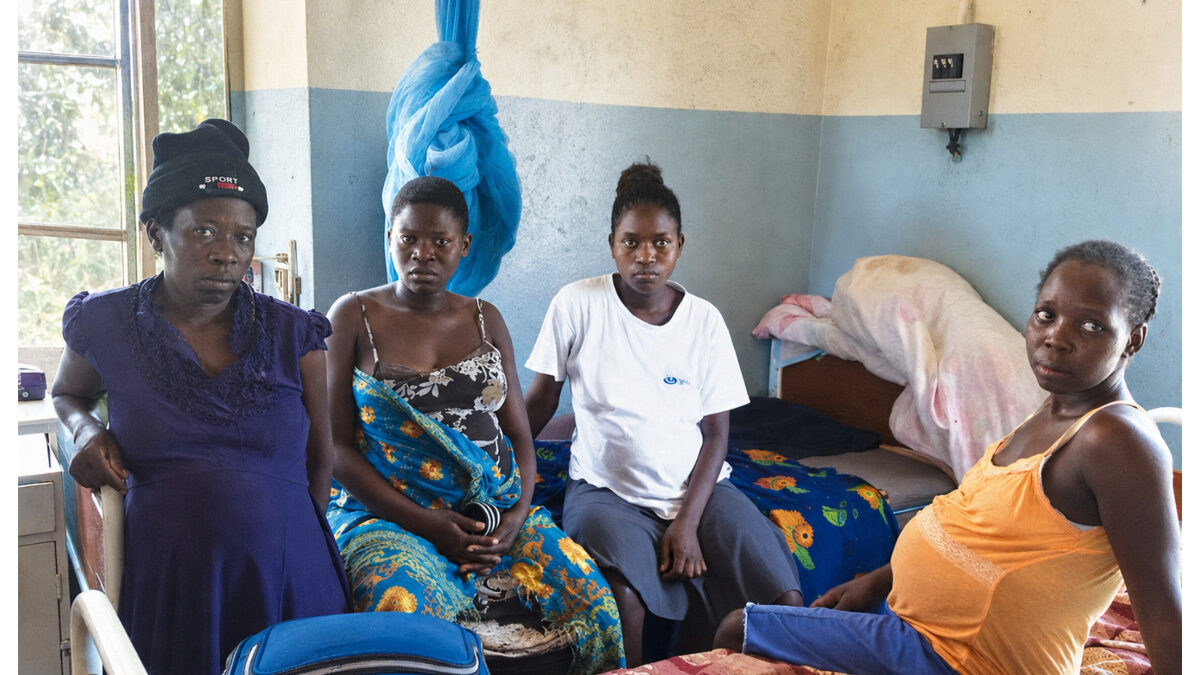
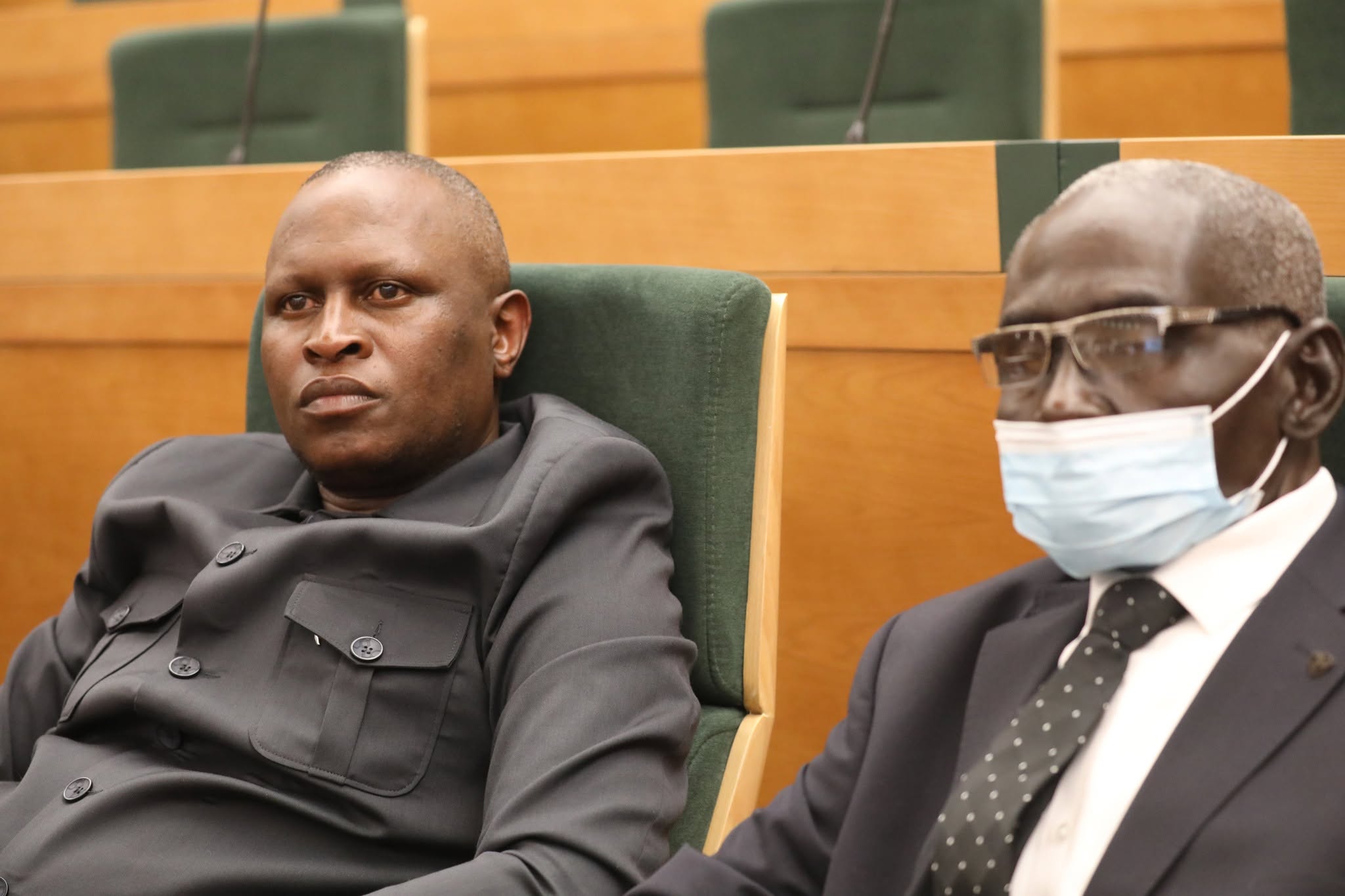
HARARE — Pregnant women will give birth free of charge at government hospitals and clinics across Zimbabwe, Deputy Health and Child Care Minister Sleiman Timios Kwidini told the National Assembly during Wednesday’s Question-and-Answer session.
📰 For this and more exclusive stories, read our weekly digital print edition.
Read E-PaperResponding to legislators, Kwidini said expectant mothers would no longer be required to pay registration or delivery fees at government-run facilities.
They would only pay for the maternity book used by health workers to record information during pregnancy and childbirth.
“Pregnant women will give birth in government hospitals or clinics without paying registration fees in all parts of the country,” Kwidini said.
“The only thing that they will pay for is the book that they will use during the process.”
The measure covers normal deliveries and operations, including Caesarean sections, when complications make surgery medically necessary.
Kwidini said women would not be charged when a gynaecologist or another qualified health professional determined that an operation was required to protect the mother or baby.
“If there are complications during pregnancy or delivery and the gynaecologist or health workers at the clinic recommend an operation, that operation will be free because it has become necessary as a result of the medical condition,” he said.
However, women who request operations for personal reasons without a clinical recommendation will be required to meet the cost themselves.
The Government says the policy is intended to prevent women from delaying or avoiding skilled maternity care because they cannot afford hospital fees.
Delivering at an adequately equipped health facility gives expectant mothers access to trained personnel who can respond to emergencies such as severe bleeding, obstructed labour, infections and pregnancy-related hypertension.
Questions remain, however, about how the policy will operate in practice.
Kwidini did not state when the fee waiver would take effect, how much women would pay for the maternity book or how hospitals would be reimbursed for providing services without charge.
It also remains unclear whether the waiver covers related expenses such as medicines, laboratory tests, ultrasound scans, blood products, specialist consultations and post-delivery treatment.
The scope of the policy regarding local-authority and mission hospitals was not immediately explained. Kwidini referred specifically to government hospitals and clinics, leaving questions about whether facilities managed by councils or religious organisations would be included.
Zimbabwe has previously maintained a policy of no user fees for pregnant women, but its implementation has been inconsistent.
The World Health Organisation has previously reported that Zimbabwe had adopted a no-user-fee maternal healthcare policy while noting concerns from health advocates that it was not being implemented effectively.
Women have continued to report financial and practical barriers to maternity services, including informal charges, transport costs, medicine shortages and long distances to properly equipped facilities.
Removing official fees may encourage more women to deliver under the supervision of trained professionals.
Its effectiveness, however, will depend on whether public facilities have enough healthcare workers, medicines, maternity beds, blood supplies and surgical equipment to meet demand.
Hospitals will also require adequate and predictable funding to replace the revenue previously collected from patients. Without reimbursement, already strained facilities could struggle to provide the promised services consistently.
The Government has not yet disclosed the projected cost of the programme or the funding mechanism that will support free normal deliveries and emergency operations nationwide.
Clear implementation guidelines will be needed to explain which services are covered, how facilities will be reimbursed and where women can report demands for unauthorised payments.
If enforced consistently, the policy could significantly reduce financial barriers facing low-income and rural women.
Its success will ultimately be measured by whether expectant mothers can enter government facilities, receive safe and timely treatment and leave without facing charges the policy was intended to remove.