
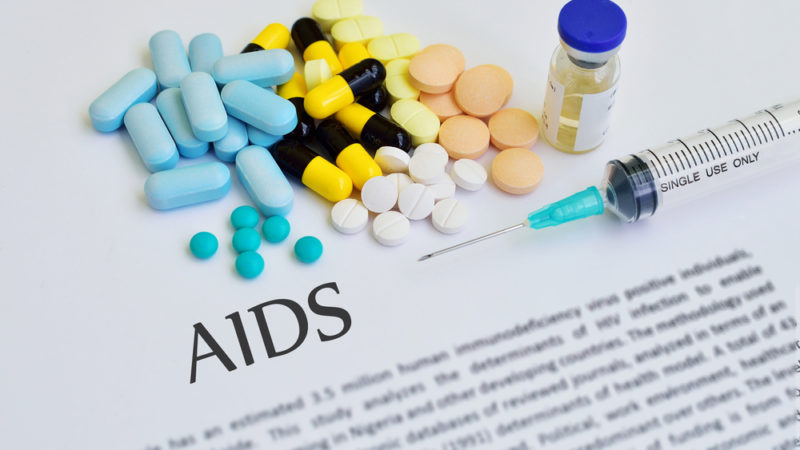
Thousands of Zimbabweans returning from South Africa because of rising xenophobic attacks are struggling to continue their HIV treatment, raising fears that interruptions in antiretroviral (ARV) medication could worsen the country’s HIV situation and put more pressure on the healthcare system.
One of the affected returnees was Renious Gumbi, 49, from Mberengwa. He had lived in South Africa for almost 20 years, where he received free ARV treatment through the country’s public health system. However, he reportedly lost access to the medication after anti-immigrant groups allegedly blocked foreign nationals from entering some public health facilities.
Without treatment from June, Gumbi’s health quickly worsened. His wife, Senzeni, arranged for him to return to Zimbabwe using cross-border transporters known as *malayitshas*. Although he received ARVs at the Zimbabwe-South Africa border, he died soon after arriving home.
Senzeni said it was heartbreaking that her husband was denied life-saving medication. She also questioned whether Zimbabwe is fully prepared to support citizens living with HIV who are returning from South Africa.
The problem comes as Zimbabwe is also facing uncertainty over HIV funding after talks with the United States on future health support reportedly failed earlier this year. Around 1.2 million Zimbabweans rely on HIV programmes previously supported through PEPFAR. A recent study warned that if this support ends completely, about 75,000 more people could become infected with HIV within a year.
Another returnee, Gilbert Muzokomba, 58, said he also stopped receiving ARVs after he was allegedly turned away from a clinic in Gauteng. After returning to Zimbabwe, he said he did not know how to restart treatment and had to wait before being registered for free medication.
“I decided to return home because I feared I would die without my HIV treatment,” Muzokomba said, adding that his health worsened after missing his medication.
Twenty-three-year-old Nelisiwe Mugodhi, who was born with HIV in South Africa, also returned to Zimbabwe after she could no longer access treatment. She said she only resumed taking ARVs after long delays, during which she suffered from diarrhoea, headaches, swollen feet and a persistent cough.
Health and Child Care Minister Douglas Mombeshora recently told Parliament that health workers have been stationed at Zimbabwe’s border posts to screen returning migrants for chronic illnesses such as HIV, diabetes and hypertension. He said more than 99,000 returnees have already been screened.
However, the minister explained that patients cannot start long-term treatment immediately at the border because they first need medical tests, including viral load assessments, before being enrolled into HIV care programmes.
Medical charity Médecins Sans Frontières (MSF) said it has been helping returnees at the Musina repatriation centre in South Africa by providing treatment to people who had stopped taking ARVs and medication for other chronic illnesses. The organisation said the large number of people returning home resembles a humanitarian emergency and called for stronger cooperation between governments to ensure patients continue receiving treatment.
Government figures show that about 21,000 Zimbabweans had been officially repatriated by early July 2026, while another 57,000 returned on their own. Media reports cited by MSF estimate that around 100,000 Zimbabweans have returned from South Africa.
HIV activist and lawyer Kensington Marufu said many returnees may struggle to access treatment because they have been away from Zimbabwe for many years and do not know how the local health system works. Pastor Reki Jimu, who supports people living with HIV, said some returnees who interrupted their treatment have already been admitted to hospital.
According to UNAIDS, about 1.3 million people are living with HIV in Zimbabwe. Health experts say making sure returning migrants can quickly restart their treatment is essential to protecting both their health and the country’s progress in fighting HIV.