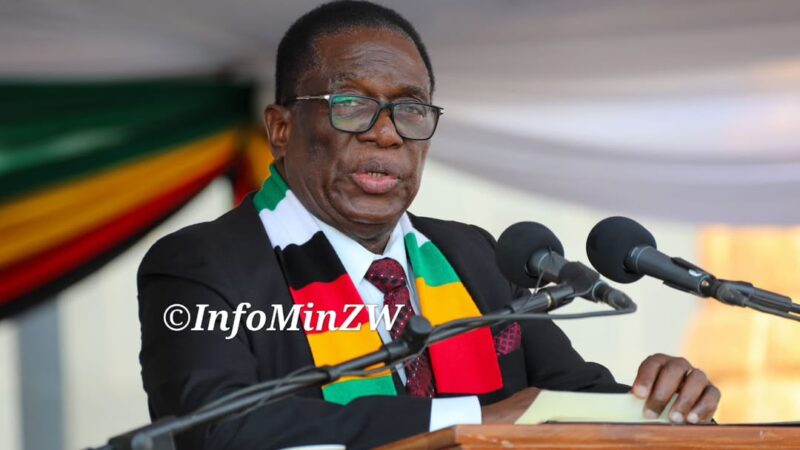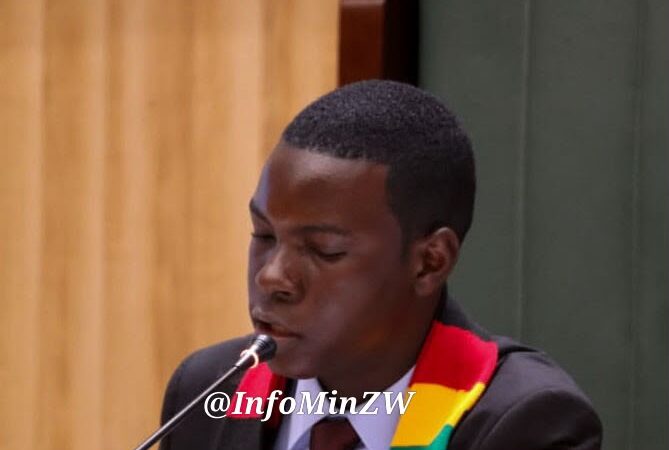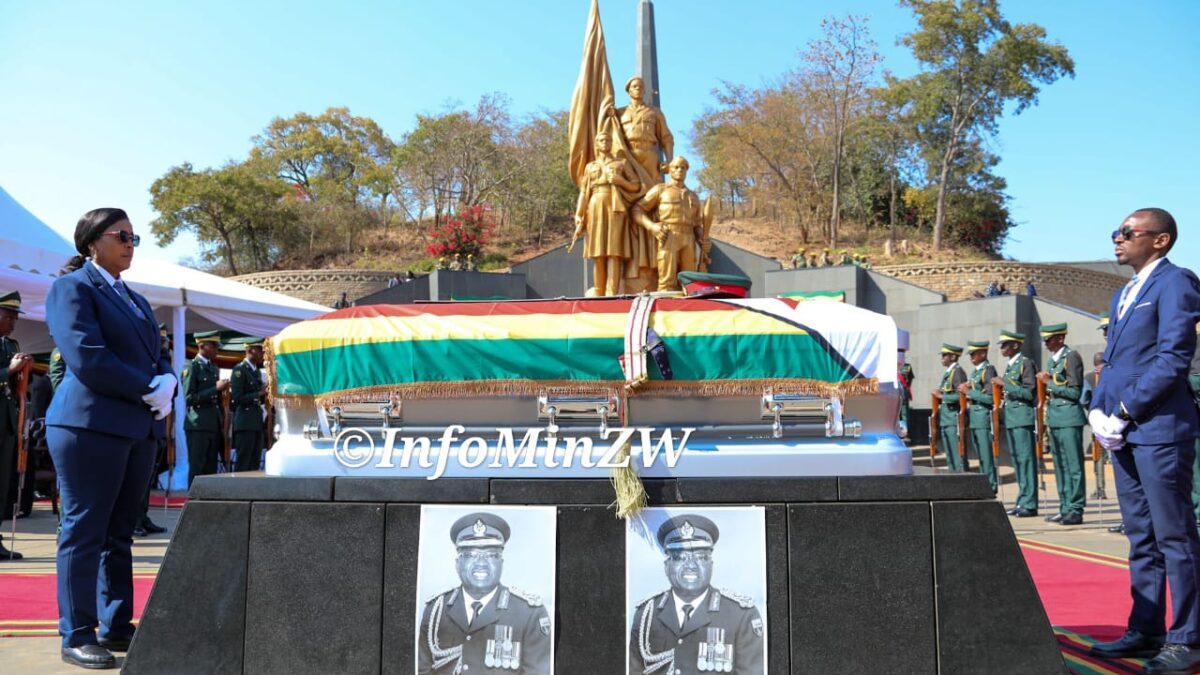
Zimbabwe bids farewell today to Major General (Retired) Richard Ruwodo, whose nom de guerre was “Moshe Pwititi,” as he is laid to rest following a lifetime of service to the country’s liberation and the development of the Zimbabwe National Army.
📰 For this and more exclusive stories, read our weekly digital print edition.
Read E-PaperBorn on 14 March 1954 in Samushonga Village under Chief Mutasa, Headman Munhama, in Mutare District, Manicaland Province, Ruwodo’s journey from a rural upbringing to becoming one of Zimbabwe’s senior military officers reflected a lifelong commitment to national service.
He began his education at Mutasa Primary School in 1962, completing his primary studies in 1968. He later attended Highfields Secondary School in Harare, where he completed his Ordinary Level education in 1972.
Following his schooling, Ruwodo joined Bata Shoe Company in 1973 as a salesman. His dedication earned him promotion to Relief Manager, a position he held until 1975.
However, as Zimbabwe’s liberation struggle intensified, political consciousness spread across the country. Like many young Zimbabweans of his generation, Ruwodo became inspired by the growing fight against colonial rule.
Driven by a desire to liberate his motherland, he left civilian life in 1975 to join the armed struggle under the Zimbabwe National Liberation Army (ZANLA).
He was among the third group of cadres to undergo military training at Chimoio in Mozambique alongside Cdes Shaw Matemachani and Thomas Bvuma. Upon completing his training, he was deployed to the Zimbabwe African National Union (ZANU) Headquarters in Maputo, where he served as Director of Finance under the late National Hero Cde Ernest Kadungure.
After Zimbabwe attained Independence in 1980, Major General Ruwodo devoted his career to building and professionalising the Zimbabwe National Army (ZNA).
He was appointed Deputy Chief Paymaster, serving under the then Acting Chief Paymaster, Colonel V. T. Bratton. The appointment marked the beginning of a distinguished military administrative career.
He later became the first Black Director of Zimbabwe Army Pay and Records, where he provided strategic leadership in modernising the Army’s pay and records systems.
He spearheaded administrative reforms that enhanced operational efficiency while overseeing the integration and training of personnel in a corps that had previously been predominantly white.
His leadership played a significant role in transforming the Army’s administrative structures during the formative years of the post-independence military.
Throughout his career, Major General (Retired) Richard Ruwodo earned respect as a liberation war veteran, disciplined military officer and administrator whose service extended from the battlefield to the strengthening of Zimbabwe’s defence institutions.
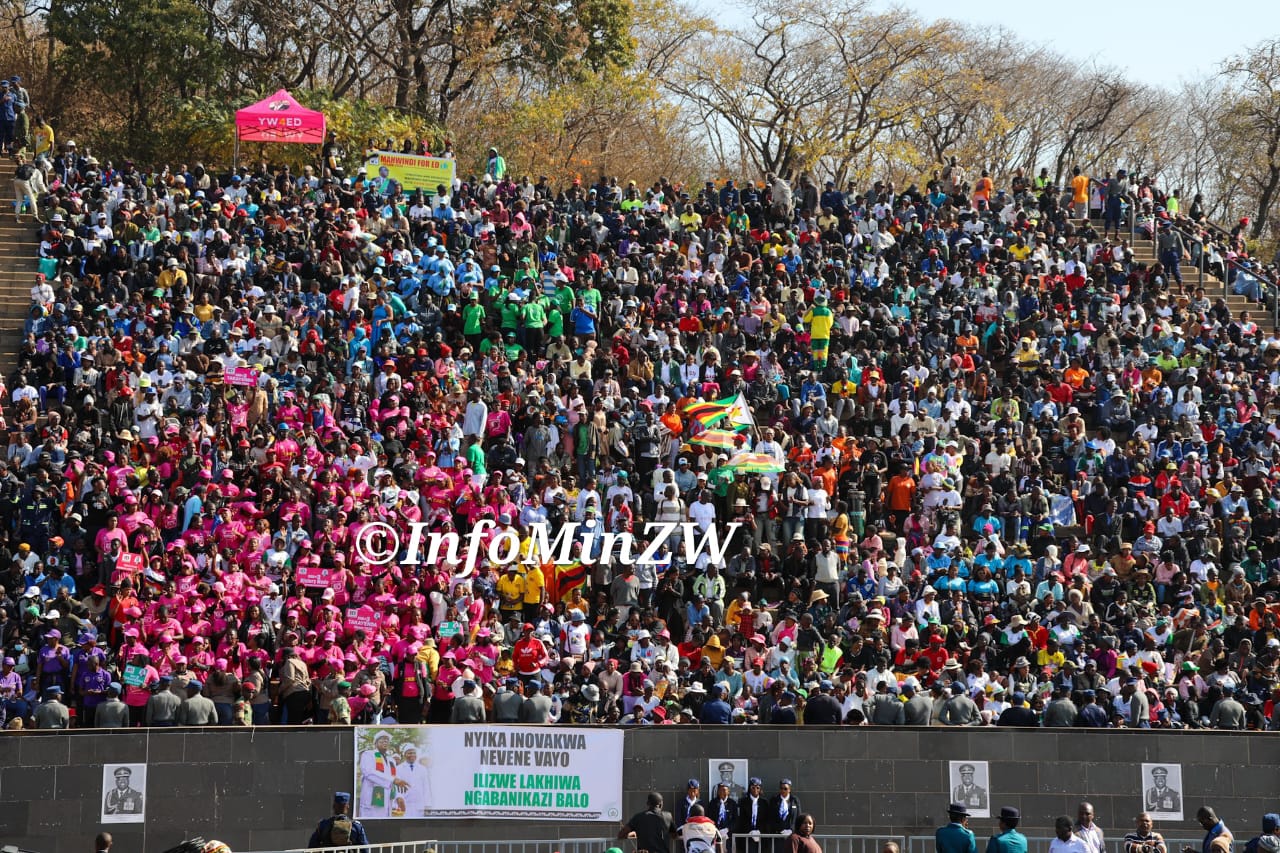
As family, friends, former comrades and members of the Zimbabwe Defence Forces gather today to lay him to rest, they celebrate a man whose life was dedicated to the struggle for freedom and the service of his country. His legacy of patriotism, professionalism and commitment to nation-building will endure for generations to come.