📲 Join our WhatsApp Channel for Breaking News!
Follow on WhatsAppPresident Emmerson Mnangagwa has placed data-driven accountability at the heart of the nation’s development agenda.
📰 For this and more exclusive stories, read our weekly digital print edition.
Read E-Paper
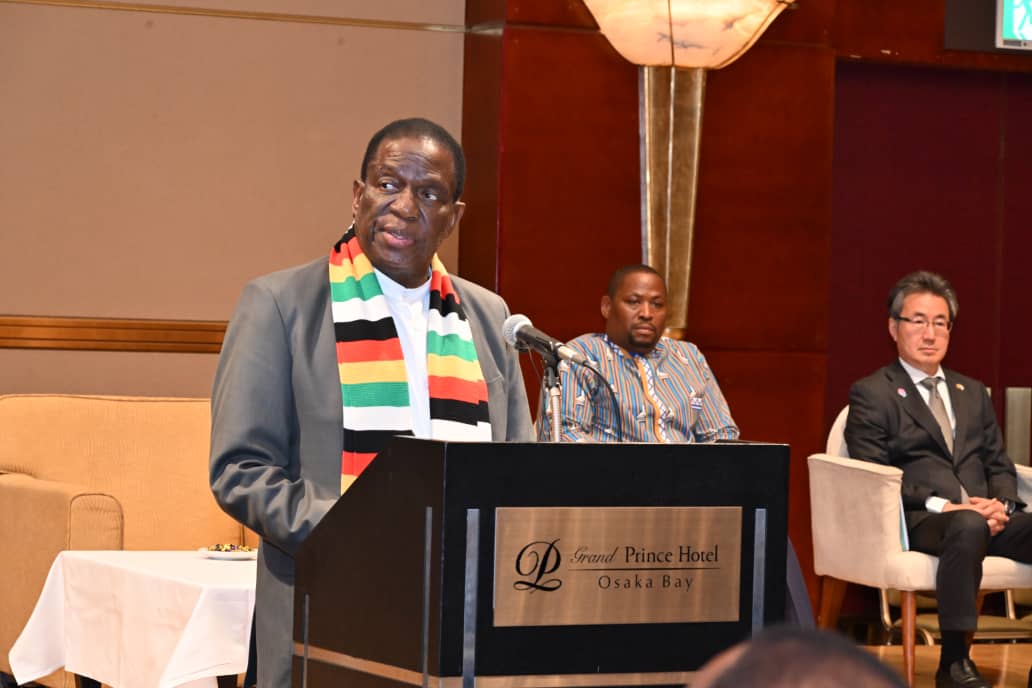
Speaking at the Inaugural Monitoring, Evaluation, and Learning (MEL) Week in Harare on Monday, July 28, 2025, the President underscored the critical role of sustained monitoring and evaluation in achieving Vision 2030, Zimbabwe’s ambitious goal of becoming an upper-middle-income society by the end of the decade.
Unlike traditional summits focused on policy announcements, the MEL Week marks a shift toward a results-oriented governance model, emphasising measurable outcomes over rhetoric.
Mnangagwa’s address to delegates highlighted a rare commitment to transparency, a departure from Zimbabwe’s historical challenges with opaque governance.
“Our journey toward a prosperous and transformed nation hinges on progress tracking, transparency, accountability, and a result-oriented mindset,” he said, framing MEL as the backbone of sustainable development.
The unique angle lies in Mnangagwa’s call for a cultural shift within Zimbabwe’s public sector—a move toward evidence-based decision-making at a time when trust in government institutions remains fragile.
By prioritising monitoring and evaluation, the administration aims to rebuild credibility through tangible results, addressing long-standing criticisms of inefficiency in public programs.
The President’s emphasis on “leaving no one and no place behind” signals an inclusive approach, but it also raises questions about implementation in a country grappling with economic disparities and rural-urban divides.
The MEL Week, running through the week of July 28, provides a platform for stakeholders to dissect the impact of initiatives like land reform, infrastructure projects, and social welfare programs.
Mnangagwa’s government is betting on robust monitoring systems to identify gaps, optimise resources, and ensure policies translate into real-world benefits.
“By diligently tracking our progress and learning from our challenges, we cultivate a culture of continuous improvement,” he told attendees, invoking the national ethos of “Nyika Inovakwa Nevene Vayo”
Effective monitoring requires institutional capacity, technical expertise, and political will—areas where Zimbabwe has faced challenges.
The government’s pledge to strengthen evaluation models could strain already limited resources, and success hinges on overcoming bureaucratic inertia and ensuring data integrity.
If successful, though, this initiative could set a precedent for governance reform in the region, positioning Zimbabwe as a leader in evidence-based policymaking.
As MEL Week unfolds, discussions will focus on practical tools for tracking progress, from digital dashboards to community-level feedback systems. The outcome of these talks could shape Zimbabwe’s development trajectory, offering a blueprint for accountability or exposing the gap between ambition and reality.
Get instant news updates delivered straight to your WhatsApp.