
President Mnangagwa Signs Constitutional Amendment Bill No. 3 (CAB3) Into Law
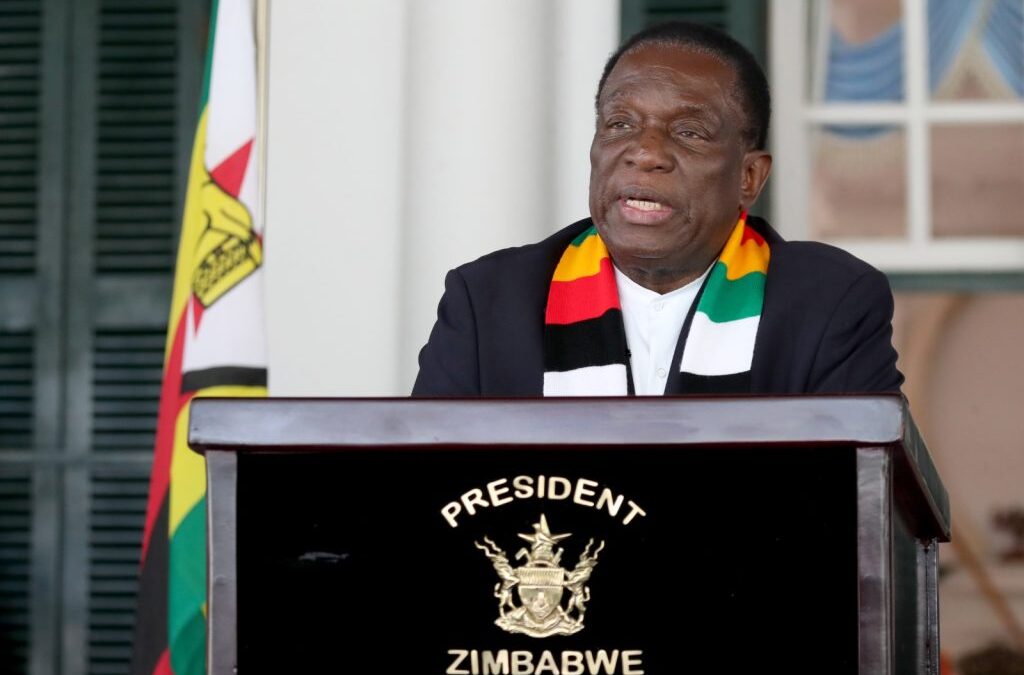
HARARE, ZIMBABWE — President Emmerson Mnangagwa has officially signed the highly debated Constitution of Zimbabwe Amendment (No. 3) Bill, 2026—colloquially known as CAB3—into law.
The Permanent Secretary made the confirmation for Information, Publicity and Broadcasting Services, Nick Mangwana, announced the major legislative milestone on Tuesday.
Taking to the social media platform X, Mangwana shared a copy of the finalised legislation with the caption: “Signed, sealed and delivered – it is now law.”
A Major Shift in Zimbabwe’s Governance
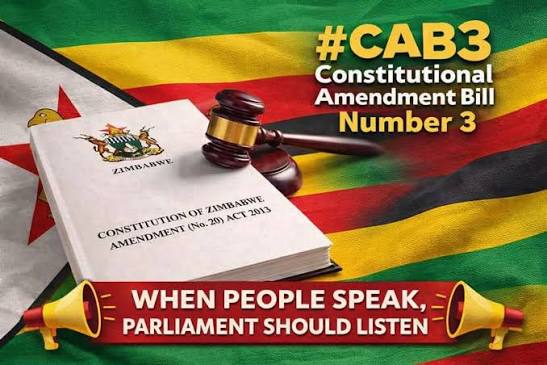
The passing of CAB3 into law marks one of the most significant and sweeping overhauls to Zimbabwe’s 2013 Constitution since its inception. The new Act brings fundamental structural alterations to the country’s electoral, judicial, and political landscape.
Key pillars of the new legislation include:
-
Extended Mandates: The presidential, parliamentary, and local government terms of office have been extended from five years to seven years. Consequently, this shifts the next general election timeline from 2028 to 2030, extending President Mnangagwa’s current term in office by two years.
-
Parliamentary Election of the Executive: The direct, popular secret-ballot election of the President by citizens has been repealed. Moving forward, the President will be selected via a vote by a joint sitting of Parliament.
-
Voter Registration Restructuring: The responsibility for voter registration, alongside the custody and maintenance of the voters’ rolls, has officially been returned to the office of the Registrar-General.
-
Dissolution of the Gender Commission: The specialised Zimbabwe Gender Commission has been dissolved, with its institutional mandates and oversight functions fully absorbed by the Zimbabwe Human Rights Commission (ZHRC).
From Bill to Law: The Parliamentary Journey
The draft amendment, which was initially approved by Cabinet in February 2026, sailed through both houses of Parliament with commanding majorities that easily bypassed the mandatory two-thirds constitutional threshold.
The National Assembly overwhelmingly passed the bill on June 18, 2026, with a resounding 216 votes in favour to 42 against. Shortly after, on June 24, the Senate endorsed the bill by a 75-4 margin. Following an extraordinary recall of the National Assembly on June 30 to seamlessly adopt localised Senate amendments, the bill received final parliamentary approval and was forwarded for executive assent.
National Debate and the Road to Vision 2030
The enactment of CAB3 has drawn starkly contrasting reactions across the national political spectrum.
Government officials, legal proponents, and ruling ZANU-PF representatives have strongly defended the law as a vital mechanism for state stability. Proponents argue that shifting to a seven-year electoral cycle reduces “election-related toxicity” and fosters an uninterrupted, stable economic climate. They emphasise that this continuity is paramount to realising Vision 2030, Zimbabwe’s national blueprint aimed at achieving an upper-middle-income economic status by the turn of the decade.
Conversely, opposition lawmakers, civil society coalitions, and legal rights organisations have raised sharp objections. Critics maintain that eliminating the direct popular vote for the presidency diminishes citizens’ right to choose their leaders directly, limits accountability, and shifts disproportionate authority to the legislative and executive arms of the government.
With the President’s signature now secured, the provisions of the Constitutional Amendment (No. 3) Act take immediate legal effect, fundamentally resetting the political and developmental trajectory of the nation heading toward 2030.