📲 Join our WhatsApp Channel for Breaking News!
Follow on WhatsAppDeputy Minister of Women Affairs, Community, Small and Medium Enterprises Development Kiven Mutimbanyoka has called for women and young people with disabilities to have a greater say in how Zimbabwe designs, funds and evaluates public programmes.
📰 For this and more exclusive stories, read our weekly digital print edition.
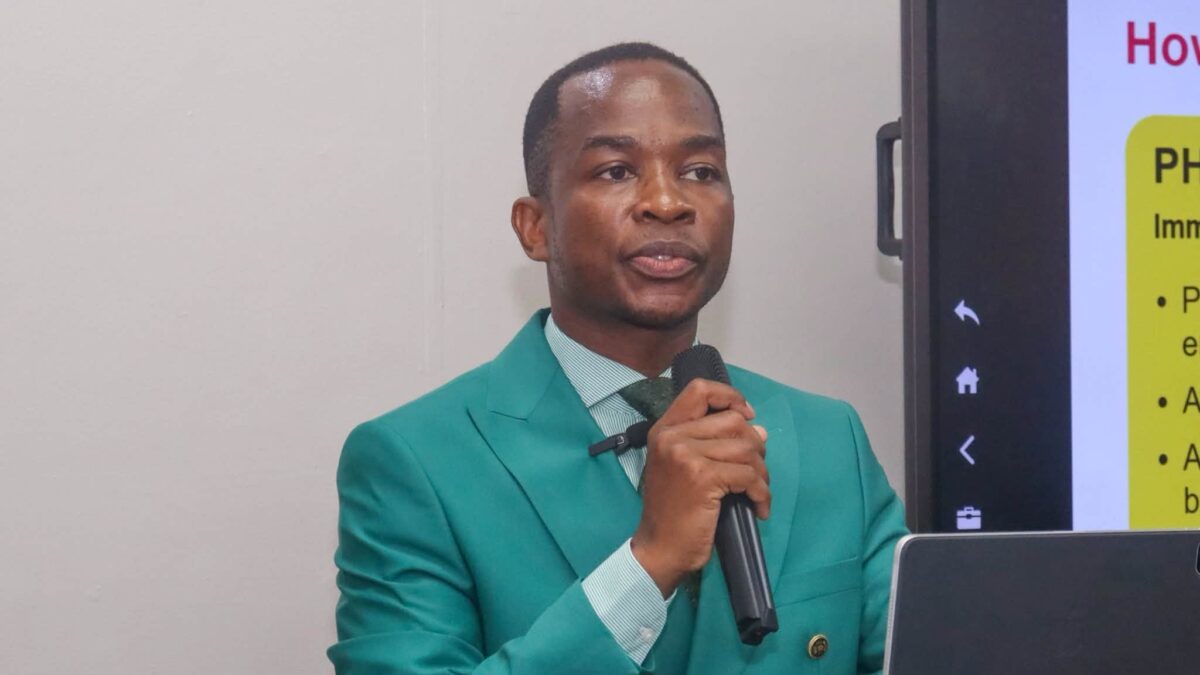
Read E-PaperSpeaking at the inaugural Annual Learning Conference at Cresta Oasis in Harare on Wednesday, Mutimbanyoka said public institutions should involve people with disabilities from the point at which priorities are set through to the implementation and review of policies.
“We must move beyond the appearance of representation towards the substance of participation,” he said.
Mutimbanyoka said women and girls with disabilities often face discrimination on the grounds of both gender and disability.
He identified barriers to education, healthcare, employment and leadership, as well as heightened vulnerability to gender-based violence.
He said his ministry should involve women and young people with disabilities in designing entrepreneurship, cooperative and community programmes.
He identified access to finance, training and markets as priorities.
The deputy minister cited Zimbabwe’s Constitution, the National Disability Policy and the Persons with Disabilities Act, 2025, as the basis for advancing disability rights.
He said putting those commitments into practice would require changes to public budgeting and service delivery, as well as more accessible consultations. He pointed to accessible venues, sign language interpretation and information in formats participants can use.
Mutimbanyoka acknowledged the work of Leonard Cheshire Disability Zimbabwe and six partner organisations representing people with disabilities.
He urged the conference to produce an action plan that names who will be responsible for each commitment and sets deadlines for carrying it out.
The keynote gave no funding figures or implementation dates for the proposed measures. It also did not detail how public institutions would report back to participants on whether their recommendations had shaped policy decisions.
Get instant news updates delivered straight to your WhatsApp.