📲 Join our WhatsApp Channel for Breaking News!
Follow on WhatsAppFruit growers and food processors could gain new buyers in China after President Xi Jinping pledged to expand imports, reinforcing an opening that has already seen Zimbabwe ship its first blueberries to the Chinese market.
📰 For this and more exclusive stories, read our weekly digital print edition.
Read E-PaperChina was Zimbabwe’s second-largest export destination in September 2026, taking US$437.3 million in goods, about 32 percent of the country’s US$1.36 billion in exports that month, according to ZimStat.
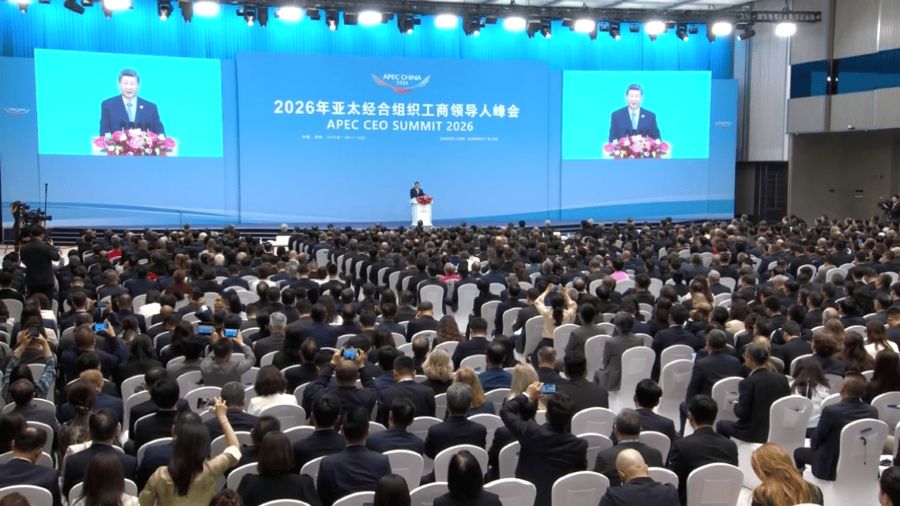
Speaking at the APEC CEO Summit in Shenzhen, Xi urged Asia-Pacific economies to lower trade and investment barriers and advance plans for a regional free trade area.
Watch the CGTN report on Xi’s address
He said China would step up imports of quality goods and services under its 2026–2030 development plan. For Zimbabwean firms, the immediate route into that market is China’s existing zero-tariff policy for qualifying African goods, which took effect on May 1.
Zimbabwe has agreed plant-health protocols with China for citrus, avocados and blueberries. The first blueberry consignments went out in July, when exporters dispatched three trial pallets by air.
The Horticultural Development Council said the next step was to increase production and test the best supply routes into China.
Regular orders could give growers another source of foreign currency and support jobs in grading, packing and refrigerated transport. For perishable produce, the cost and reliability of getting fruit to Chinese buyers will help determine whether those first shipments turn into a sustained trade.
ZimTrade says unmanufactured tobacco accounted for about 31 percent of China’s imports from Zimbabwe in 2025, worth roughly US$790 million.
Minerals and ferro-alloys made up much of the rest.
Greater demand for processed foods and other locally manufactured goods could broaden that export base and keep more of the earnings from processing and packaging in Zimbabwe.
To claim zero-duty treatment, exporters must show that their goods meet the applicable rules of origin and obtain a certificate through ZimTrade.
Food exporters must also satisfy Chinese product and plant-health standards. Those requirements, along with freight costs and the ability to fill repeat orders, will determine which Zimbabwean businesses can turn wider market access into sales.
Get instant news updates delivered straight to your WhatsApp.