The government has warned Zimbabweans against increasingly sophisticated recruitment networks that lure job seekers with promises of lucrative employment before exposing some to human trafficking and, in extreme cases, deployment to active battlefronts.
📰 For this and more exclusive stories, read our weekly digital print edition.
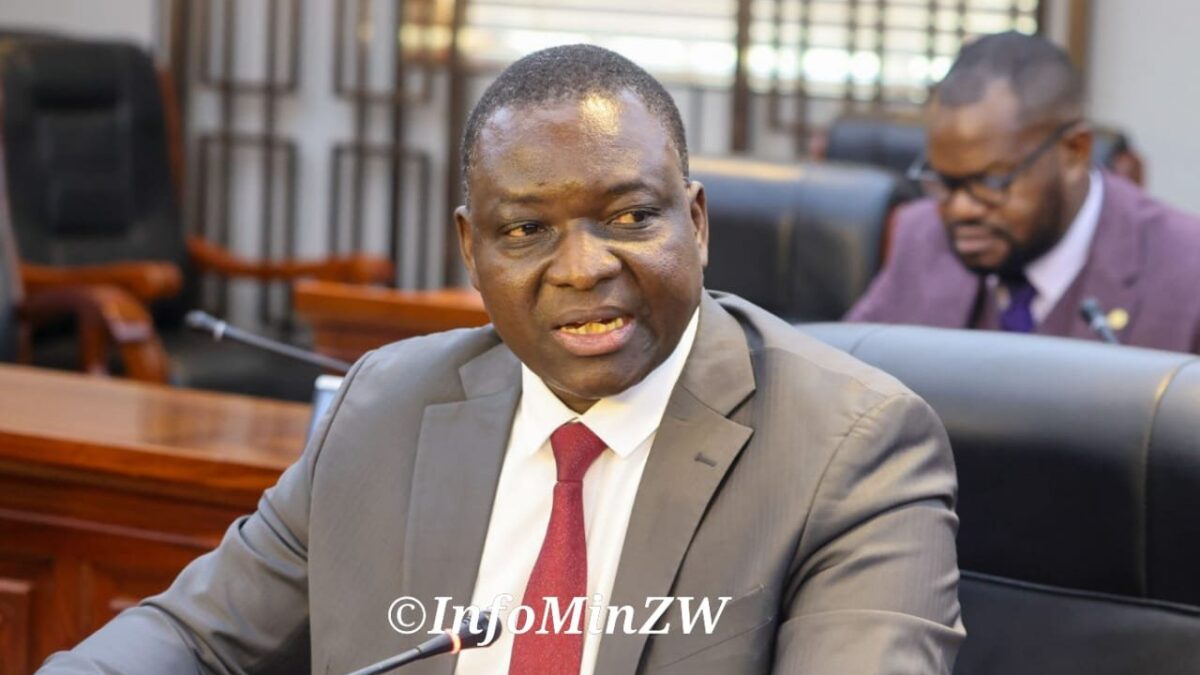
Read E-PaperInformation, Publicity and Broadcasting Services Minister Dr Zhemu Soda issued the warning while delivering the government’s statement on safeguarding Zimbabwean citizens from deceptive recruitment practices and human trafficking.
He said criminal networks were targeting citizens with employment opportunities in neighbouring countries, the Middle East and Asia, with some victims reportedly ending up in war zones without prior military training.
“This is not the first time the government has issued this warning; however, the escalating sophistication of these criminal networks necessitates renewed vigilance,” Dr Soda said.
The minister said Zimbabwean law prohibited the recruitment of citizens for mercenary activities and condemned networks exploiting people seeking employment.
“The government strongly condemns these predatory networks. We implore all citizens, families and community leaders to remain highly vigilant, exercise extreme caution and strictly vet all international job offers,” he said.
The government warned that demands for substantial upfront payments, vague job descriptions, unverifiable employers and pressure to leave the country immediately were among the key signs of fraudulent recruiters.
Citizens were also urged to reject contracts they could not understand, particularly those written in foreign languages without translation into a language they understand, including English, Shona or Ndebele.
Unrealistic promises of instant wealth or jobs requiring no experience were also identified as warning signs, while job seekers were advised to avoid unlicensed recruiters without verifiable physical offices.
Zimbabwe Republic Police Commissioner Paul Nyathi said law-enforcement authorities were strengthening cooperation with other countries to tackle trafficking networks.
“Government works through bilateral relations, and when these relations are established, the police, including the Commissioner-General of Police and the Minister, form part of the Government entourage,” Commissioner Nyathi said.
He said the issue was also being addressed through SADC, regional police chiefs and the International Police Organisation, reflecting growing concern over trafficking.
Before paying or travelling, citizens were advised to verify recruiters through the Ministry of Public Service, Labour and Social Welfare, seek confirmation from Zimbabwean embassies or consulates and use verified government employment platforms.
Families were urged to remain aware of relatives travelling abroad, while victims were encouraged to alert relatives or seek assistance from Zimbabwean consular services.
Suspicious recruitment cases can be reported at the nearest police station, through the National Child and Vulnerable Hotline on 116, or the Ministry’s toll-free helpline on 1980.
Before committing to a recruiter, citizens were advised to verify its registration and licensing through the Ministry of Public Service, Labour and Social Welfare at [mpslsw.gov.zw](https://mpslsw.gov.zw/?utm_source=chatgpt.com).