Itai Mazire
📰 For this and more exclusive stories, read our weekly digital print edition.
Read E-PaperSenior officials from the Southern African Development Community (SADC) warned yesterday that 58 million people across 12 member states, nearly 15 percent of the region’s population, remain food insecure as multiple crises converge to create one of the most severe supply and production shocks in a decade.
Meeting in Victoria Falls for the Joint Meeting of Senior Officials responsible for Agriculture, Food Security, Fisheries and Aquaculture (27-28 May 2026), delegates confronted a devastating lineup of pressures.
These include El Niño‑linked rainfall deficits, cyclone damage battering coastal and island states, a foot‑and‑mouth disease outbreak sweeping 11 member states and geopolitical tensions tearing through global supply chains.
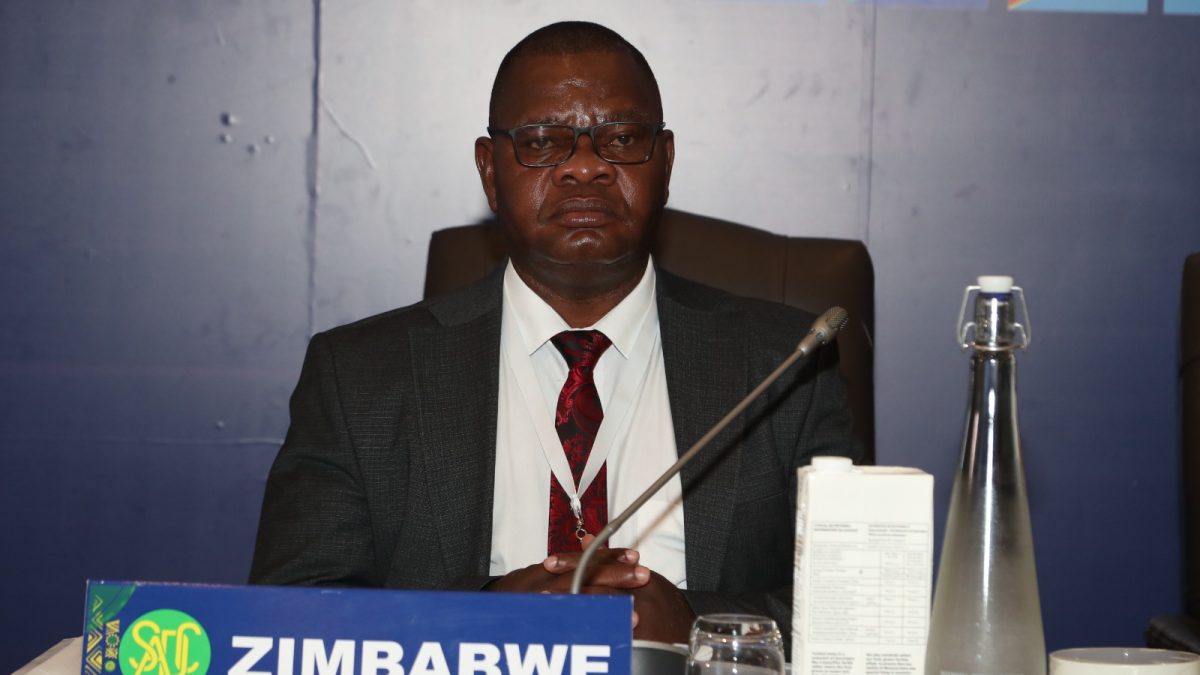
“33 percent of our fertiliser in Africa passes through the Strait of Hormuz,” said Zimbabwe’s Permanent Secretary for Agriculture, Mechanisation and Water Resources Development, Prof. Dr. Obert Jiri, revealing the severity of the supply challenge.
“The disruption is massive and has massive implications for Africa as a whole.”
The SADC Secretariat’s estimate of 58 million hungry people, equivalent to the combined populations of several member states, set an urgent tone for the two‑day meeting.
Officials did not mince words: the region is no longer facing isolated food crises but a systemic breakdown aggravated by global conflict and trade chokepoints.
Chairperson of the Senior Officials Committee, Mr Mooketsa Ramasodi, called for decisive, coordinated action, stating that,”Our response as SADC has to be characterised by our ability to balance immediate relief with structural measures that enhance resilience.”
Deliberations focused on the regional food and nutrition security outlook, implementation of the Kampala Declaration framework, the Harmonised Fertiliser Regulatory Framework, transboundary animal disease management, and market access reforms.
The outcomes of the senior officials’ meeting will shape recommendations to SADC Ministers responsible for Agriculture, Food Security, Fisheries and Aquaculture, who will convene on 29 May at Safari Lodge, Victoria Falls. Member states will be urged to adopt contingency plans ahead of the anticipated 2026–27 El Niño season.
With the Strait of Hormuz disruption showing no signs of easing, and foot‑and‑mouth disease continuing to restrict livestock trade across the region, analysts say the ministerial meeting may prove decisive in determining whether SADC shifts from crisis response to long‑term resilience.