📲 Join our WhatsApp Channel for Breaking News!
Follow on WhatsAppLocal authorities across Africa should place sustainable construction, affordable housing and climate-resilient infrastructure at the centre of urban development strategies as cities continue to expand, Local Government and Public Works Minister Daniel Garwe has said.
📰 For this and more exclusive stories, read our weekly digital print edition.
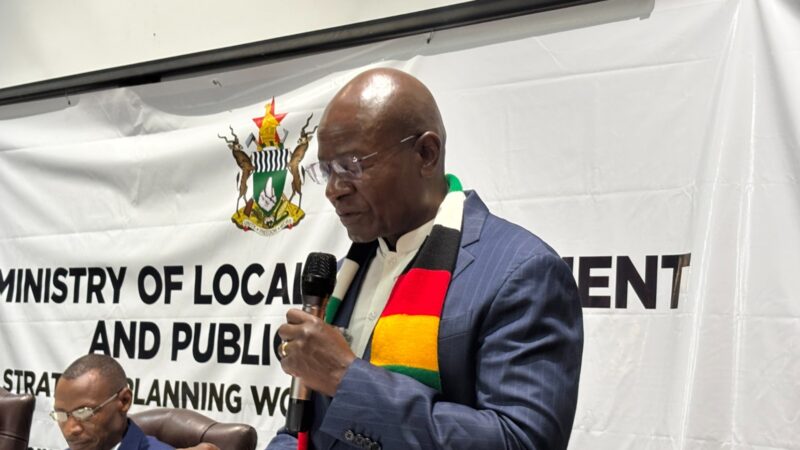
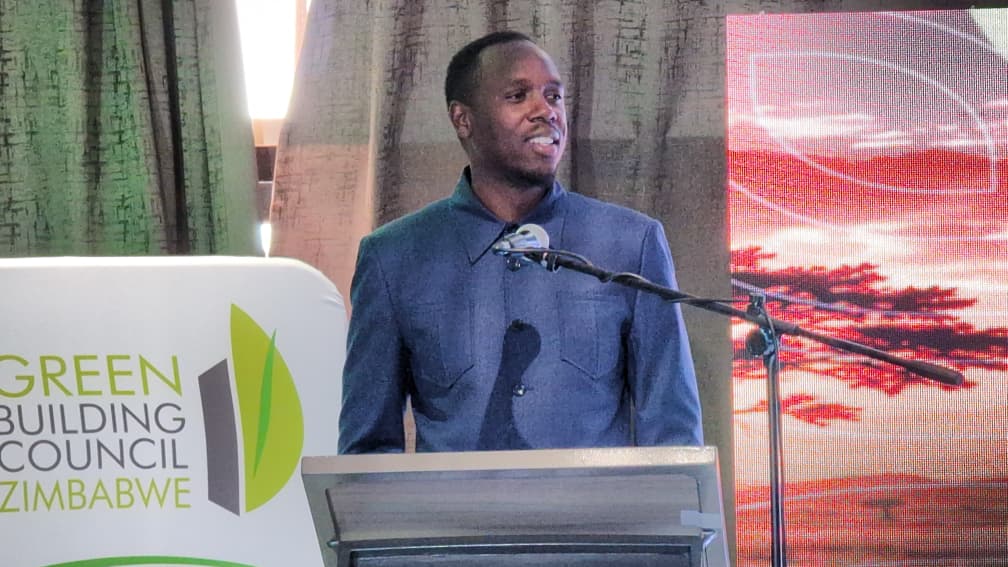
Read E-PaperGarwe made the remarks at the Africa Green Building Summit in Harare on Thursday, where he was represented by Deputy Minister Albert Mavunga.
He said the continent needed to adopt green building approaches suited to its economic and environmental realities rather than simply copying construction models developed in Western countries.
Garwe emphasised that local authorities had a major responsibility in advancing sustainable urban development through proper planning, regulation, housing provision and the delivery of essential services.
He said municipalities were at the forefront of the green building agenda because their decisions on land use, building approvals, infrastructure and construction standards directly influenced the sustainability of urban settlements.
“Green building is often framed as the domain of architects, private developers or international climate funds. Let me be direct: green building is, first and foremost, local government business,” he said.
The minister noted that while Africa had committed itself to several development frameworks, including the African Union’s Agenda 2063 and the United Nations Sustainable Development Goals, their success would depend on implementation at local level.
He said commitments on sustainable cities, clean energy, water provision, climate action and resilient infrastructure needed to produce measurable improvements in communities.
Garwe said the continent was already facing the effects of climate change, including prolonged droughts, extreme heat, flash floods and electricity shortages, despite contributing relatively little to global greenhouse gas emissions.
He called for construction methods that respond to these challenges through energy-efficient designs, rainwater harvesting systems, solar power and other alternative energy sources.
The minister also encouraged the use of locally produced building materials alongside modern technologies, saying structures should be designed to withstand extreme weather conditions while remaining affordable.
He warned that poorly constructed buildings could place additional pressure on electricity and water supplies while increasing public expenditure on healthcare and disaster management.
Garwe said Government, under President Emmerson Mnangagwa, was working on reviewing building by-laws and planning standards to improve climate resilience, simplify approval procedures for sustainable developments and strengthen municipal inspection systems.
He added that aligning local policies with internationally recognised standards could also improve access to affordable green financing through institutions such as the Green Climate Fund, World Bank and Afreximbank.
Outlining key measures needed to advance the agenda, Garwe called for wider adoption of sustainable construction standards, improved technical capacity within local authorities, greater access to climate financing for municipalities and housing cooperatives, and measures to keep green buildings affordable throughout their lifespan.
He reiterated that local authorities must take a leading role in implementing the green building agenda, noting that their responsibilities in approving plans, issuing construction permits and inspecting building projects placed them at the centre of sustainable urban development.
Get instant news updates delivered straight to your WhatsApp.