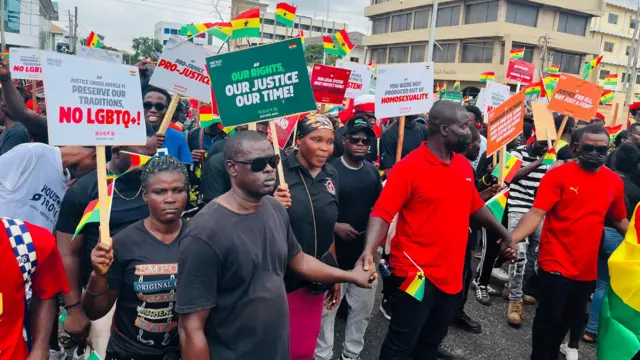
ACCRA, Ghana – Members of Ghana’s LGBTQ+ community have voiced concern and anxiety following the approval of a controversial piece of legislation by parliament that seeks to criminalise LGBTQ+ identification and activities, as well as support for related causes.
📰 For this and more exclusive stories, read our daily digital print edition.
Read E-PaperThe proposed Human Sexual Rights and Family Values Bill, which was approved by lawmakers last week, now awaits the assent of John Dramani Mahama. If enacted, the law would introduce prison sentences ranging from three to ten years for various offences connected to LGBTQ+ identity, advocacy, funding, or promotion.
Community groups say the development has triggered widespread fear among LGBTQ+ individuals, with many reportedly taking steps to erase traces of their identities online. Activists indicate that social media profiles are being reviewed and sensitive content removed in anticipation of possible legal consequences.
According to Leila Lariba, who heads One Love Sisters Ghana, an organisation supporting lesbian and bisexual women, many people are deeply worried about how the legislation could affect their everyday lives.
She noted that concerns extend beyond legal penalties, with fears that individuals could face housing challenges, workplace discrimination, or social exclusion if the bill becomes law.
Lariba said her organisation has encouraged community members to take precautions, including improving their online security and limiting public information that could expose them to potential risks.
While same-sex relationships were already prohibited under legislation dating back to the colonial era, rights advocates say enforcement had historically been limited. The new bill significantly broadens the scope of criminalisation by extending penalties to those who offer assistance, advocacy, services, or financial support to LGBTQ+ individuals and organisations.
Under the proposed law, identifying as LGBTQ+ could attract a prison sentence of up to three years, while promoting or supporting LGBTQ+ causes could result in penalties of up to ten years behind bars. The legislation also contains provisions encouraging citizens to report suspected LGBTQ+ individuals.
Lawmakers amended the bill to shield healthcare workers and legal practitioners from prosecution when providing professional services to LGBTQ+ persons. However, critics argue that fears surrounding the legislation could still discourage vulnerable individuals from seeking medical treatment or legal advice, particularly in areas such as HIV prevention and healthcare access.
Rights campaigners warn that the law could fuel discrimination and embolden individuals who already engage in harassment against LGBTQ+ people.
The latest legislation follows a similar bill passed by parliament in 2024 that was never signed into law by former president Nana Akufo-Addo before he left office. Supporters of the current bill, including its sponsor Rev John Ntim Fordjour, argue that the measure is intended to preserve Ghanaian cultural traditions and family values.
Human rights organisations, however, have condemned the bill, arguing that its impact could extend beyond LGBTQ+ individuals to affect civil society organisations, journalists, healthcare providers, and other groups. Activists have also raised concerns about the reporting requirements contained in the legislation, warning that they could encourage vigilantism and social division.
The debate comes as Ghana hosts the fourth African Inter-Parliamentary Conference on Family Values and Sovereignty in Accra, where lawmakers from several African countries are discussing policies linked to family values and social issues.
Meanwhile, a coalition led by Rightify Ghana is preparing to challenge the parliamentary approval in court. The group argues that procedural irregularities occurred during the bill’s passage, including concerns over voting requirements and parliamentary processes.
International rights organisations have also criticised the legislation, warning that it could increase discrimination, expose vulnerable individuals to greater risk, and encourage citizens to monitor and report one another.