By Talkmore F. Mapfumo
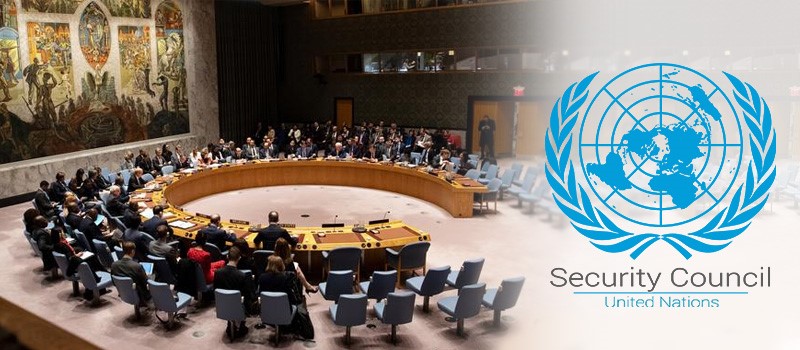
HARARE – Zimbabwe is on the brink of securing a coveted non-permanent seat on the United Nations Security Council (UNSC) as member states vote today at the UN General Assembly in New York.
Zimbabwe iswidely considered the overwhelming favourite to win the African Group’s allocated seat for the 2027–2028 term after securing endorsements from the African Union and the Southern African Development Community (SADC), along with reported backing from more than 130 countries.
The election, conducted by secret ballot among the UN’s 193 member states, requires candidates to obtain a two-thirds majority of members present and voting, typically at least 128 votes.
Zimbabwe is running unopposed for the African seat, significantly boosting its prospects of victory.
Foreign affairs analysts say the country’s chances of securing the seat are exceptionally high given the level of diplomatic support it has garnered during a sustained international campaign.
The bid has been championed by the Government as part of efforts to strengthen Zimbabwe’s voice in global affairs and contribute to international peace and security discussions.
Speaking ahead of the vote, government officials expressed confidence that Zimbabwe had secured sufficient support to return to the Security Council for the first time in more than three decades.
If elected, Zimbabwe will serve on the powerful 15-member body responsible for maintaining international peace and security, authorising peacekeeping missions, imposing sanctions and addressing major global conflicts.
The anticipated victory would mark Zimbabwe’s third term on the Security Council, having previously served in 1983–1984 and 1991–1992.
The outcome of the vote is expected to be announced later today following the conclusion of balloting at the UN headquarters in New York.
Political observers note that while UN elections occasionally produce surprises due to the secret ballot system, Zimbabwe’s extensive diplomatic backing and unchallenged candidacy place it in a strong position to secure the seat.
Should the country succeed, the election would represent one of Zimbabwe’s most significant diplomatic achievements in recent years, giving Harare a platform to influence discussions on global peace, security and international cooperation over the next two years.