📰 For this and more exclusive stories, read our weekly digital print edition.
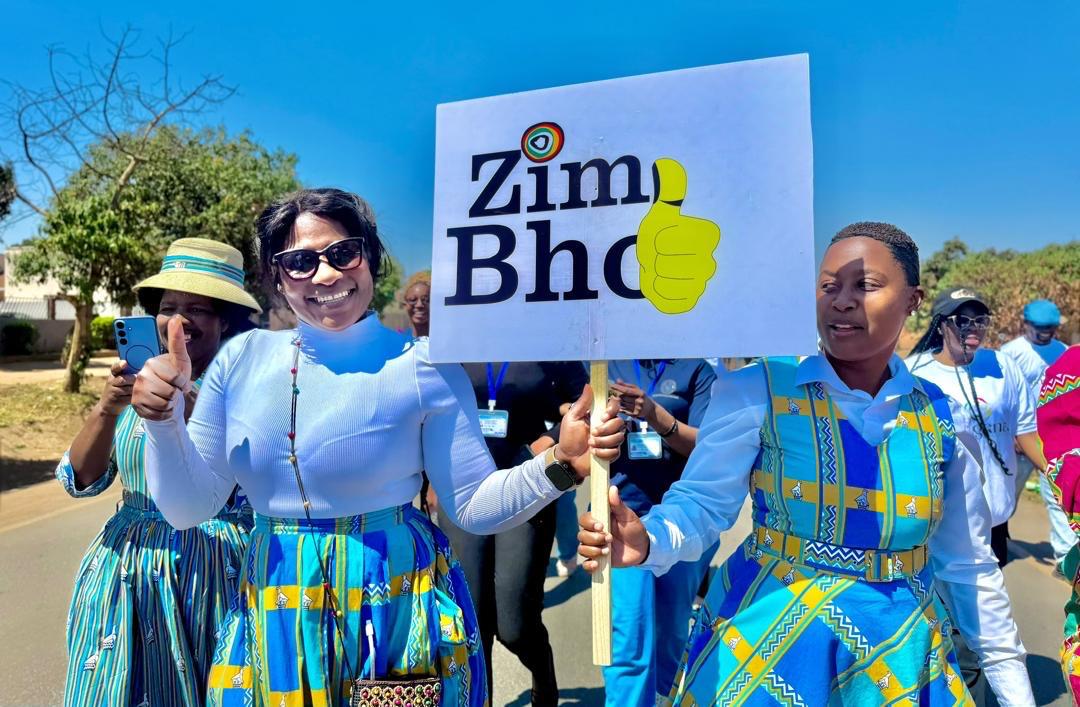
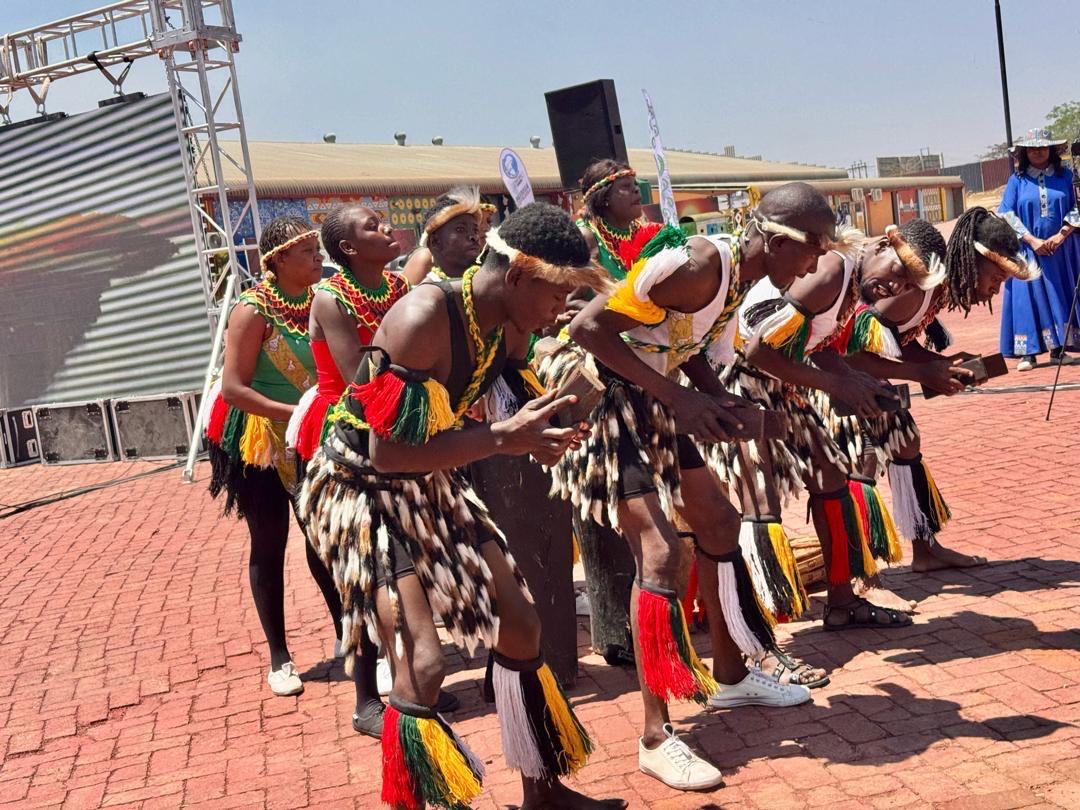
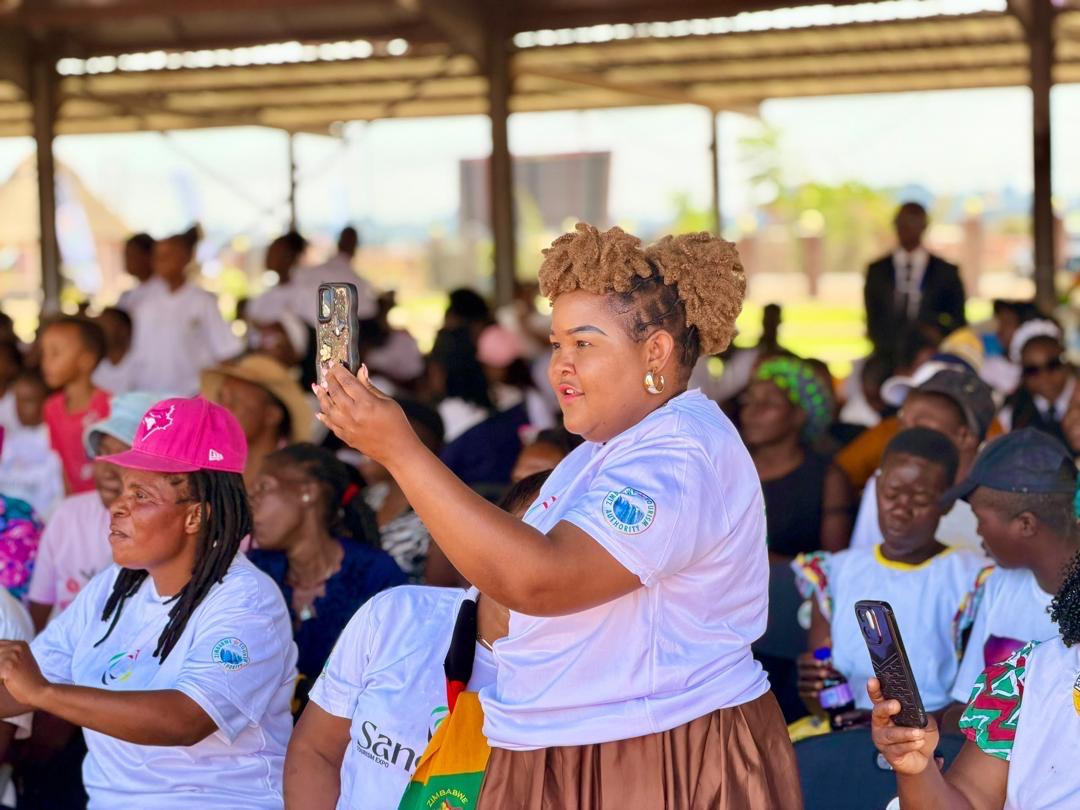
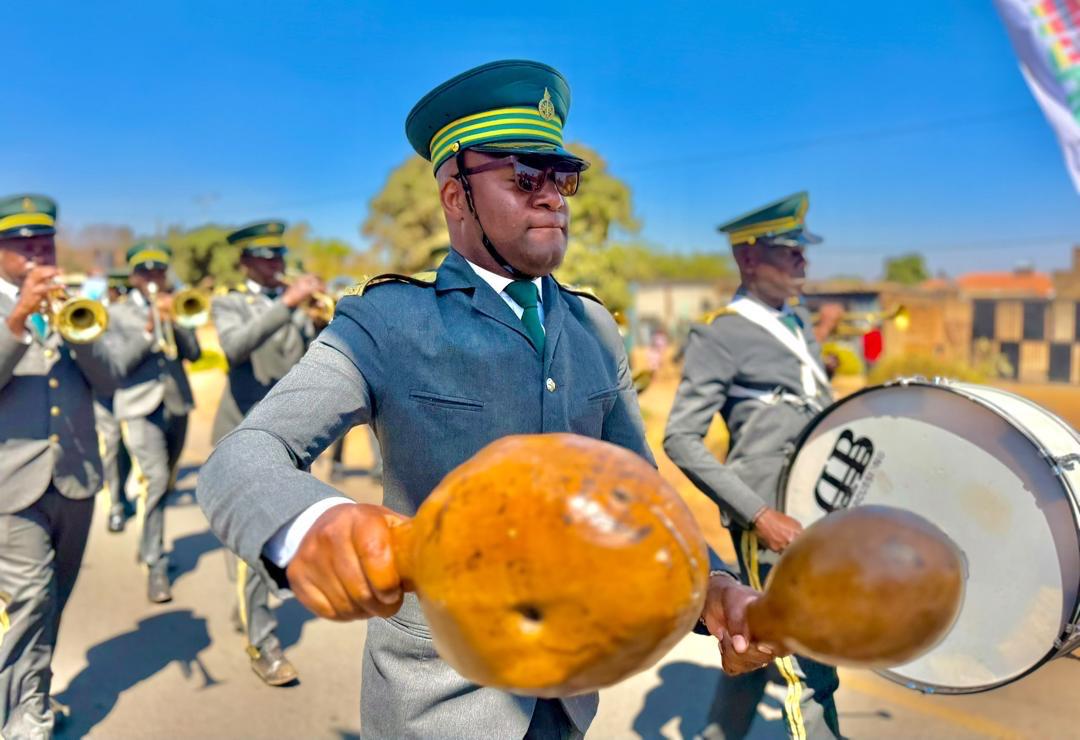
Read E-PaperThe Heritage Village in Harare became the focal point of the country’s tourism celebrations on Saturday as the 2026 World Tourism Day commemorations placed cultural identity, digital innovation and community participation at the centre of efforts to expand the sector.
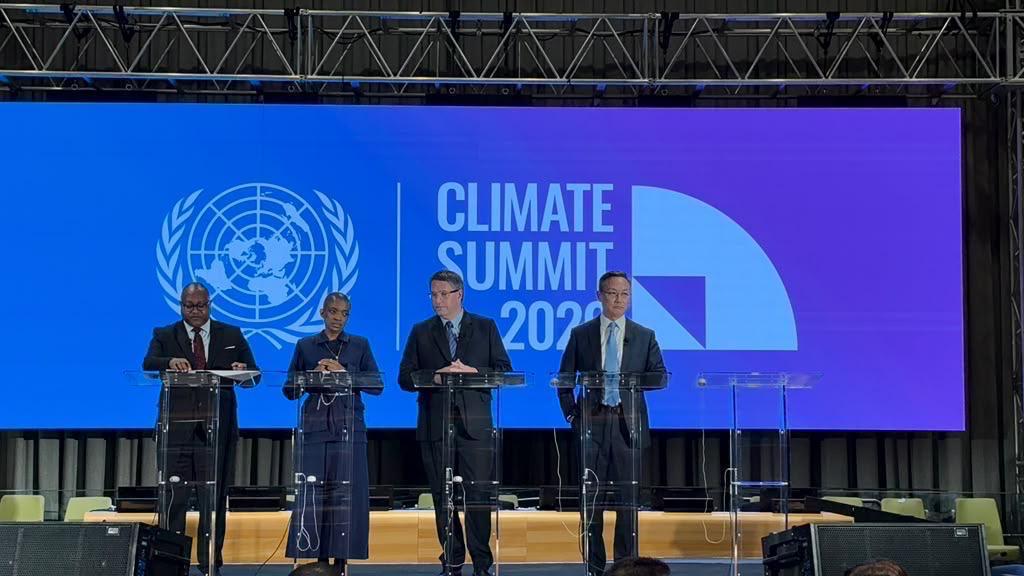
Held under the theme Digital Agenda and Artificial Intelligence to Redesign Tourism,’ the event brought together government officials, tourism operators, communities, corporate partners and other stakeholders to examine the role of technology in promoting destinations while preserving the country’s cultural assets.
Minister of Tourism and Hospitality Industry Barbara Rwodzi, who was represented by Deputy Minister Tongai Mafidi Mnangagwa, said tourism was increasingly being positioned as a driver of socio-economic development, with communities expected to benefit directly from opportunities created across the value chain.
Minister of State for Provincial Affairs and Devolution for Harare Metropolitan Province Charles Tavengwa welcomed guests to the celebrations, which were held at Heritage Village within Liberation City.
In her keynote address, Rwodzi said the Government’s community-centred approach was opening new avenues for economic participation while supporting the national development objective of creating an Upper Middle-Income Society by 2030.
“Our inclusive and community-centred approach is unlocking diverse opportunities for community empowerment and sustainable livelihoods. This development is firmly anchored on our National Vision which seeks to attain an Upper Middle-Income Society by 2030, ensuring that no one and no place is left behind,” read Mnangagwa.
The choice of Heritage Village for the commemorations was significant, with the site forming part of Liberation City, which was conceived as a platform for preserving and telling the story of Zimbabwe and Africa’s liberation struggle.
Minister Rwodzi described liberation history as an important tourism resource capable of strengthening national identity while creating new experiences for visitors.
“Our liberation history is not just a chapter in text, it is a foundational pillar of our national identity and a premium cultural asset that we invite the world to appreciate,” she said.
She said the country’s tourism development was therefore increasingly anchored on heritage, with historical sites, traditional architecture and cultural experiences being incorporated into the broader destination offering.
Digital technology and artificial intelligence also featured prominently during the celebrations, with Rwodzi saying travellers were relying increasingly on online information when deciding where to visit.
She said the sector needed to harness ICTs and AI to profile attractions, preserve cultural assets and improve the visitor experience without undermining the importance of human expertise.
The Minister challenged stakeholders to develop a documentary showcasing the country’s culture, heritage and liberation history, saying such material could be packaged alongside other attractions to strengthen the destination’s appeal to local, regional and international travellers.
The celebrations further highlighted efforts to spread tourism opportunities across different parts of the country.
Rwodzi pointed to the recent Sanganai/Hlanganani/Dzimbahwe World Tourism Expo in Masvingo as part of efforts to ensure tourism benefits are distributed in line with the national devolution policy.
“Tourism is no longer being treated as a luxury exclusive to Victoria Falls. Tourism is guided by the spirit of inclusivity, taking everyone on board, leaving no one and no place behind,” she said.
Under the Ministry’s cluster-based approach, culture and heritage form one of the strategic areas alongside sports, religious tourism and MICE and business tourism.
The culture and heritage programme is designed to preserve historical sites and traditional architecture while converting them into immersive and educational experiences for visitors.
Gastronomy was also identified as an important component of the heritage offering, with indigenous cuisine providing opportunities for farmers, women and young people to participate in the tourism economy.
The speech noted that promoting traditional foods and locally produced organic ingredients could strengthen connections between communities and hospitality establishments while preserving culinary traditions.
Heritage Village itself was described as a flagship attraction within Liberation City, with the Ministry expected to increase its visibility through digital platforms.
The address also highlighted positive tourism performance during the first half of 2026, with domestic tourism trips rising by 27 percent to 6.4 million from five million during the corresponding period in 2025.
Tourism investment increased by 229 percent to US$132.3 million from US$40.2 million, while international arrivals in the second quarter rose by 6.1 percent compared with the first quarter.
As the tourism sector enters the next phase of development, Rwodzi said sustainability, technology and community participation would remain important considerations.
She urged stakeholders to ensure communities and custodians of tourism sites become primary beneficiaries of the economic opportunities generated by their heritage and cultural resources.
She also called for greater use of digital platforms to keep the destination competitive and relevant in an increasingly technology-driven global tourism industry.