📲 Join our WhatsApp Channel for Breaking News!
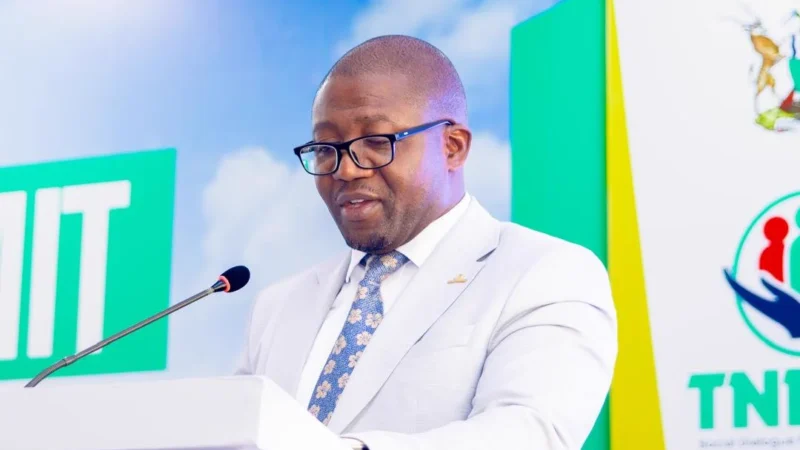
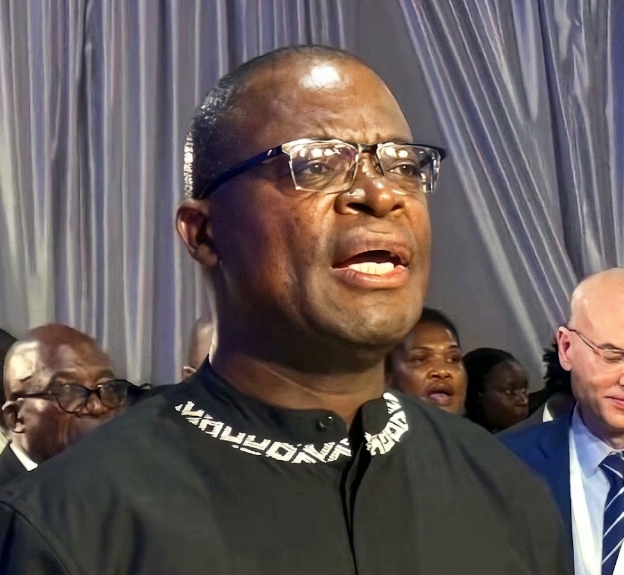
Follow on WhatsAppAfrican countries must move beyond celebrating their cultural heritage and begin transforming indigenous knowledge, traditional products and natural resources into commercially viable industries, Foreign Affairs and International Trade Minister Professor Amon Murwira has said.
📰 For this and more exclusive stories, read our weekly digital print edition.
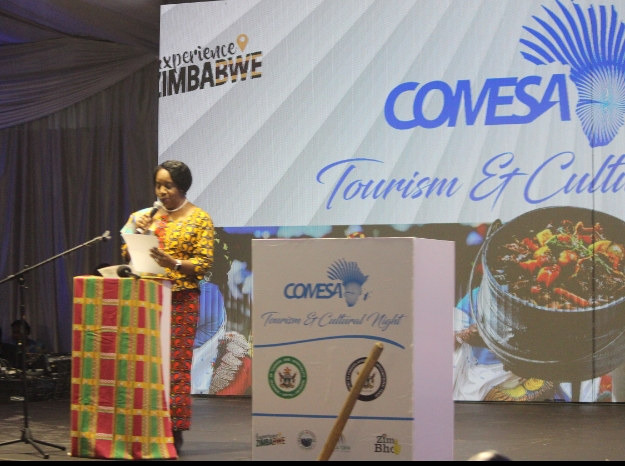
Read E-PaperMurwira made the remarks while addressing delegates at the COMESA Tourism and Cultural Night at Heritage Village at Liberation City, Harare, where he called for economic independence to be supported by industrialisation rooted in Africa’s own resources and cultural identity.
The event brought together regional representatives attending the 25th Common Market for Eastern and Southern Africa (COMESA) Summit, which is being held under the theme “One Market, One Future: Advancing Inclusive Industrialisation, Investment and Regional Integration in COMESA”.
Murwira argued that colonialism had affected not only African political and economic systems but also indigenous beliefs, languages, food and cultural practices.
He said restoring African identity was an important part of the continent’s development journey, presenting the cultural gathering as an opportunity to reclaim and celebrate traditions that had historically been marginalised.
“Tonight we are restoring by eating our food,” he said, linking the celebration of traditional cuisine to the wider process of reclaiming African cultural identity.
The minister said political independence needed to be accompanied by the capacity to produce food, process natural resources and develop industries that retained more wealth within African economies.
He argued that countries could not achieve meaningful economic sovereignty if they continued exporting unprocessed resources while importing finished products that could potentially be manufactured locally.
Murwira used a traditional product Mapfura Wine made from the marula tree to illustrate the opportunities available through heritage-based industrialisation.
He encouraged communities to identify the resources available around them and use innovation, enterprise and indigenous knowledge to create products that could generate income and employment.
The example formed part of his broader argument that local natural resources could become a foundation for enterprise development and poverty reduction when supported by practical investment and value addition.
He also linked cultural understanding to the development of stronger regional markets, saying trust between communities and countries was essential for sustainable business relationships.
“Trade policy follows the courage. Investment follows contract. And trust is nurtured, shared on tables, like what we are doing tonight,” Murwira said.
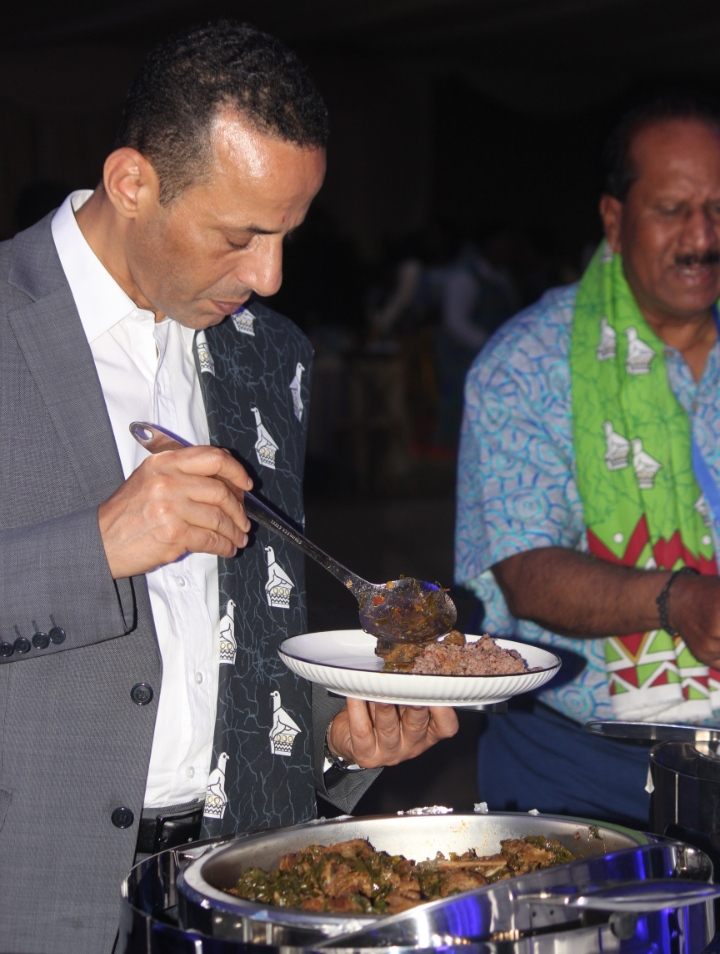
COMESA Secretary-General Chileshe Mpundu Kapwepwe similarly called for African countries to connect cultural heritage with business development, particularly through tourism and creative industries.
She identified film, fashion, design, crafts, visual arts and digital content as sectors capable of expanding opportunities for entrepreneurs while promoting African identity to international audiences.
Kapwepwe urged investors and business leaders to establish partnerships connecting cultural producers, tourism destinations and enterprises across COMESA member states.
“Together, we can turn our shared heritage into shared prosperity, our cultural diversity into competitive advantage, and our diverse cultures into business opportunities,” she said.
Her remarks highlighted the importance of creating commercial pathways for African cultural products instead of treating heritage solely as a subject of preservation or celebration.
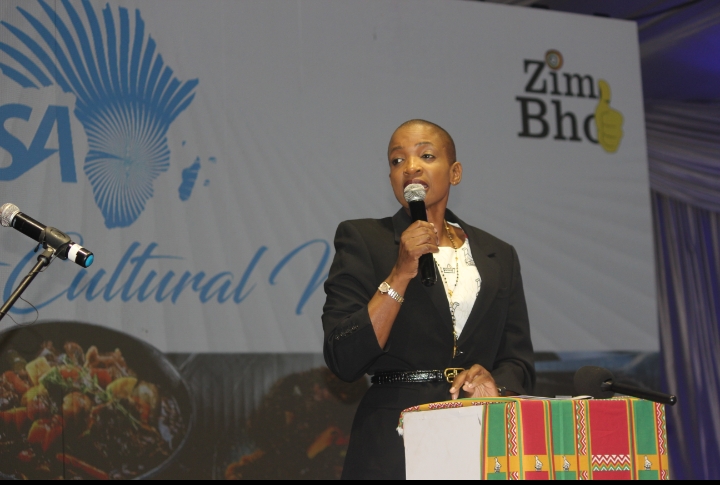
Tourism and Hospitality Industry Minister Barbara Rwodzi reinforced the regional dimension of the discussion, arguing that tourism could connect African people while creating opportunities for businesses and investors.
“Tourism is our most natural export,” Rwodzi said, calling for stronger cross-border tourism links among COMESA countries.
She cited the Kavango-Zambezi Transfrontier Conservation Area, shared wildlife resources and Victoria Falls as examples of how countries could collaborate around attractions that cross national boundaries.
Rwodzi also encouraged regional delegates to explore Zimbabwe’s tourism opportunities, stressing the role of cultural experiences and hospitality in attracting visitors. “Zimbabwe tourism is open for business,” she said.
The three speakers placed cultural heritage within a wider economic agenda encompassing tourism, investment, industrialisation and regional integration. Their remarks suggested that Africa’s traditions and indigenous resources could contribute more directly to employment and enterprise development if supported by market access and investment.
The message was reflected in the evening’s programme, which introduced delegates to Zimbabwean cultural expressions through dance, food and music.
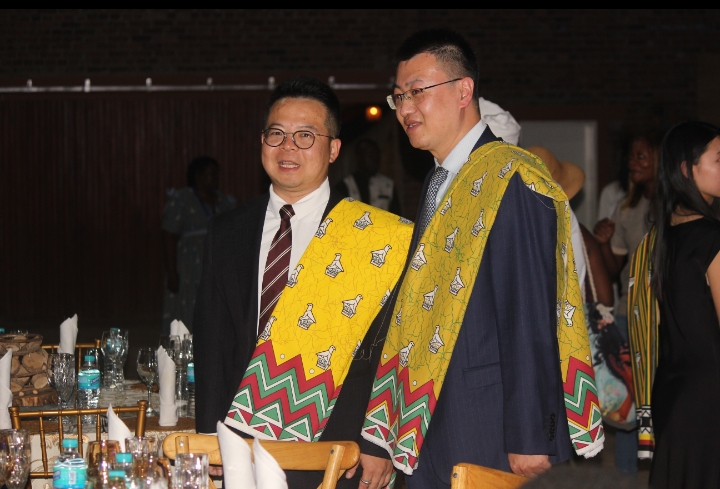
Guests arriving at Heritage Village were welcomed by the Hwamanda Traditional Dance Group before enjoying a traditional Zimbabwean dinner featuring local gastronomy. In Total Band provided entertainment, while Institute of African Knowledge chief executive Ambassador Kwame Muzawazi delivered the vote of thanks.
The programme offered a practical demonstration of how culture can be presented as both a source of identity and a tourism product.
Heritage Village, developed by the Institute of African Knowledge, forms part of Liberation City, a wider initiative that includes the Museum of African Liberation and seeks to promote African heritage and history.
For African economies, the opportunity lies in building industries around these cultural assets, from food processing and traditional beverages to tourism services, crafts, film and fashion.
Murwira’s address placed that challenge at the centre of economic independence: African countries must not only preserve what they have inherited but also develop the skills, businesses and markets needed to turn that inheritance into sustainable prosperity.
Get instant news updates delivered straight to your WhatsApp.