
📲 Join our WhatsApp Channel for Breaking News!
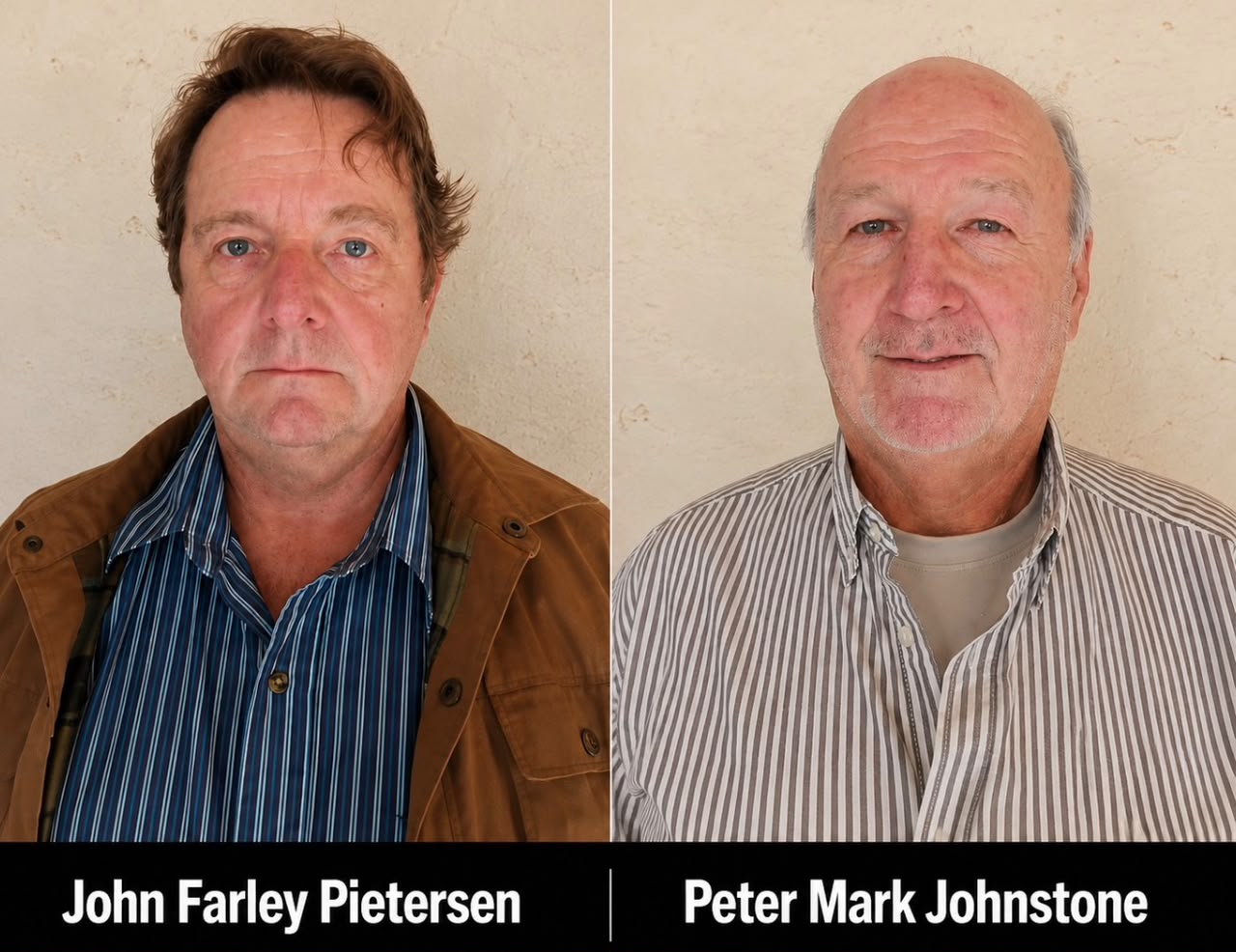
Follow on WhatsAppThe High Court has delivered a damning judgment against businessmen John Farley Pietersen and Peter Mark Johnstone in a bitter dispute over the Royal Family mining claims in Filabusi, describing their conduct as “reprehensible” and an abuse of court processes.
📰 For this and more exclusive stories, read our weekly digital print edition.
Read E-PaperThe ruling has also brought renewed attention to allegations of large-scale gold extraction, millions of dollars in financial losses and possible environmental violations involving mining operations linked to the two businessmen and Generous Resources.
All Aflame Marketing (Private) Limited, which the court confirmed as the lawful holder of the Royal Family mining claims, alleges that mining and mineral processing continued despite previous court orders prohibiting such activities.
The company further claims that gold worth tens of millions of United States dollars was extracted and processed without its authority, resulting in substantial financial prejudice.
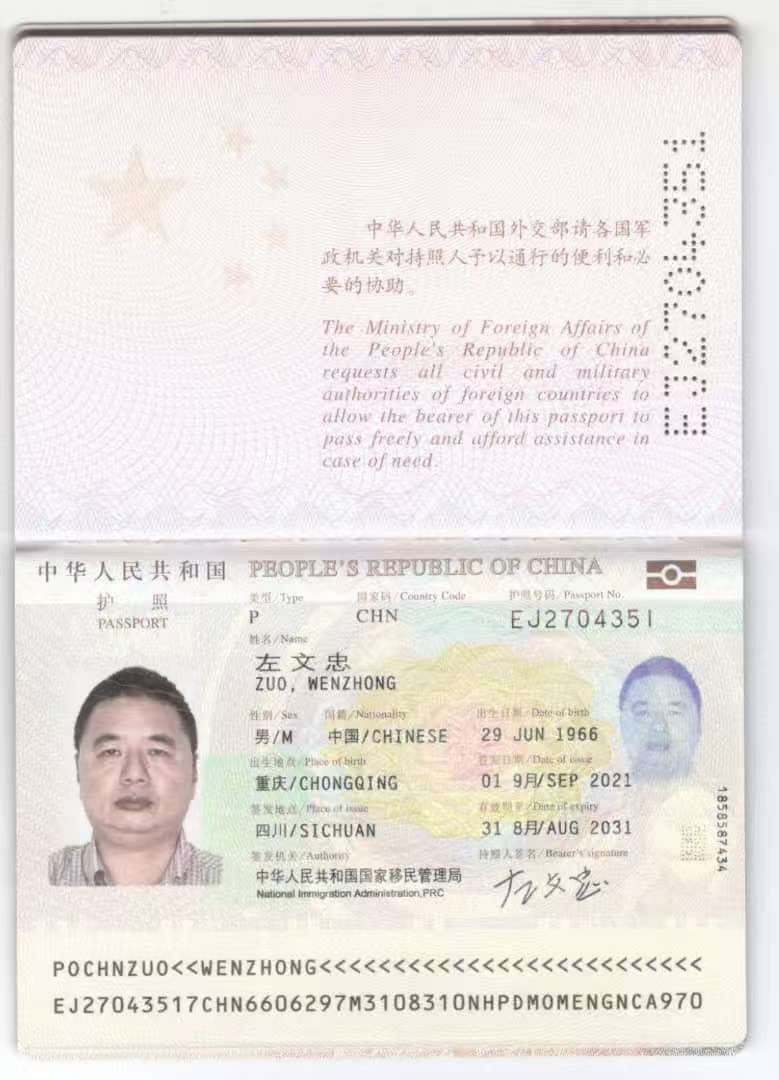
Questions have also emerged over an alleged heap-leach gold recovery facility reportedly associated with Generous Resources and Chinese businessman Zuo Wenzhong, particularly whether the operation had the necessary Environmental Management Agency (EMA) approvals.

The allegations, if substantiated, could expose serious shortcomings in the enforcement of mining regulations, environmental safeguards and court orders.
ALLEGATIONS OF MINING CONTINUING DESPITE COURT ORDERS
A major concern in the dispute is whether mining operations continued after the High Court had intervened to protect the disputed claims.
In June 2026, Justice Tawanda Chitapi issued provisional orders barring Pietersen, Johnstone and individuals acting through them from presenting themselves as directors of All Aflame Marketing or undertaking mining activities at the Royal Family claims while the legal proceedings were pending.
The restrictions covered mineral extraction, ore processing and the removal of gold and other minerals from the property.
They also extended to employees, contractors, agents, joint venture partners and other individuals claiming rights through the restrained parties.
However, allegations later surfaced that mining activities continued despite the judicial restrictions.
On June 26, 2026, ZimTimes published a report in which footage allegedly obtained from the site appeared to show mining operations taking place after the court had issued its order.
The footage requires independent verification, but All Aflame maintains that the parties involved disregarded the court’s directives and continued with operations on the disputed property.
Establishing whether the orders were breached, and the extent of any continued mining, will require examination of production records, dated photographs, site inspections and other supporting evidence.
Any proven violation could attract further legal consequences, including contempt of court proceedings.
GENEROUS RESOURCES AND THE HEAP-LEACH FACILITY
Another contentious issue concerns a large heap-leach gold processing installation reportedly linked to Generous Resources and Chinese businessman Zuo Wenzhong.
Heap leaching is an industrial method of recovering gold from ore by placing processed material on specially constructed pads and applying chemical solutions to dissolve and extract the mineral.
The process requires extensive infrastructure, including prepared ground surfaces, containment systems, solution circulation facilities and measures to manage potentially hazardous substances.
The scale of the reported installation at Royal Family has therefore become an important part of the dispute.
The complainants argue that the activities went beyond ordinary small-scale mining, pointing to what they describe as a substantial mineral extraction and processing operation.

However, the precise size of the facility, the volume of ore handled, the period during which it operated and the quantity of gold recovered have yet to be independently established.
These details will be important in determining the financial benefits derived from the disputed operations and whether the activities complied with the conditions imposed by the relevant authorities.
The High Court’s latest ruling has also strengthened All Aflame’s position against individuals claiming rights through Pietersen, with the company reaffirmed as the lawful holder of the mining claims.
CLAIM OF MILLIONS OF DOLLARS IN GOLD LOSSES
The financial implications of the dispute could run into tens of millions of dollars, according to allegations made by the lawful claim holders.
All Aflame alleges that unauthorised extraction and processing deprived it of valuable gold resources and revenue that should have accrued to the company.
The alleged losses are not limited to the value of the gold reportedly recovered. They could also include depleted mineral deposits, lost business opportunities, disruption of legitimate mining activities and possible environmental rehabilitation costs.

However, the claimed amount has not yet been independently verified or determined through a damages award.
Establishing the actual financial prejudice would require a comprehensive assessment of mining and processing records, including the quantities of ore extracted, mineral grades, recovery rates and gold production.
Investigators would also need to establish where the recovered gold was sold, the transactions involved and the individuals or companies that received the proceeds.
Such an exercise could help establish whether minerals belonging to the lawful claim holder were commercially exploited without its consent.
Given that gold can be extracted, refined and sold, reconstructing the production and sales chain would be essential in determining the extent of any losses.
EMA APPROVALS UNDER SCRUTINY
The dispute has also raised questions about compliance with Zimbabwe’s environmental laws.
All Aflame alleges that Pietersen, Johnstone and Generous Resources did not possess the required EMA environmental impact assessment approval for the mining and processing activities in question.
Under the Environmental Management Act \[Chapter 20:27\], prescribed projects, including relevant mining developments, must satisfy environmental assessment requirements before proceeding.
The requirements are particularly important for heap-leach operations because of the potential risks associated with chemical handling, soil disturbance, groundwater contamination and the management of mining waste.
Where cyanide-based processing is involved, proper containment, monitoring and emergency response systems are essential to prevent environmental contamination.
If the alleged absence of an environmental impact assessment certificate is confirmed, it could raise questions about whether the operations were conducted in accordance with Zimbabwe’s environmental legislation.
The complainants have also raised concerns about environmental degradation and the possibility of rehabilitation liabilities arising from the disputed activities.
However, the alleged absence of EMA approval and the extent of any environmental damage remain matters requiring independent verification.
EMA would need to clarify whether a certificate was issued for the Royal Family operation, the entity to which it was granted, the activities it covered and whether compliance inspections were conducted.
The agency’s records could also establish whether it received complaints, carried out investigations or issued any enforcement directives concerning the site.
COURT REJECTS DISPUTED CORPORATE TAKEOVER
The environmental and mining allegations have emerged alongside a strong rebuke from the High Court over attempts by Pietersen and Johnstone to take control of All Aflame Marketing.
The court rejected the basis of a default judgment that the two businessmen had relied on to claim majority shareholding rights and remove David Peter Easterbrook and Allan Brent Dolan from their positions as company directors.
According to the judgment, legal documents had allegedly been served at an address that the defendants knew was no longer occupied by the opposing parties.
The judge strongly criticised the manner in which the proceedings had been handled.
“Their reprehensible conduct ought to be frowned upon. As I found in HCH 2600/26, they clearly snatched at judgment and unreasonably sought to cling to it,” the court said.
The judge also dismissed the argument that the address used for service remained the company’s official domicilium.
“Not only have they unreasonably sought to cling to a judgment obtained in these circumstances, but their argument that it was the domicilium was completely unmerited and, in fact, dishonest,” the judgment reads.
The court further questioned the changing explanations offered by the defendants regarding the removal of Easterbrook and Dolan.
Initially, they relied on a company registration document indicating that the two directors had resigned on May 13, 2026. They later shifted their position, arguing that the directors had been removed through a resolution passed by majority shareholders.
The judge found that the defendants had failed to provide evidence demonstrating that the required legal procedures had been followed.
“They did not stop there, they also abandoned their own CR 6, which falsely states that the first and second applicants resigned on 13 May 2026. They then claimed that they passed a resolution as majority shareholders to remove them. Yet they placed nothing before the court to establish the lawful process,” the judge said.
In a further criticism, the court described the defence advanced by the defendants as an abuse of judicial processes.
“The pursuit of their frivolous defence was a blatant abuse of the court process. All they purportedly did in the comfort of their offices stand on sand and are clear legal nullities.”
The findings represent a major setback for the disputed corporate takeover and reaffirm the legal standing of All Aflame Marketing.
It is important, however, to distinguish the court’s findings on the corporate dispute from the separate allegations of continued mining, financial losses and environmental non-compliance, which still require supporting evidence.
SHERIFF GIVEN POWERS TO REMOVE OCCUPANTS
In its determination, the High Court reaffirmed that All Aflame Marketing is the sole lawful holder of the Royal Family mining claims in Filabusi.
The court also ruled that Pietersen had no legal authority to conduct mining activities beyond what was permitted under the joint venture agreement.
It ordered the first respondent and anyone claiming occupation or rights through him to immediately stop all mining and mining-related activities on the company’s claims.
The Sheriff of Zimbabwe, or a lawfully appointed deputy, was authorised to enforce the eviction of individuals covered by the order who failed to leave the property.
The ruling gives All Aflame a stronger legal basis to reclaim control of the mining area and pursue further investigations into the alleged extraction and processing of its mineral resources.
FILABUSI MINING SECTOR FACES CLOSER SCRUTINY
The Royal Family dispute has developed into a case with implications extending beyond the commercial interests of the parties involved.
At its centre are questions about the protection of mining rights, respect for judicial decisions, environmental compliance and the ability of regulatory institutions to monitor mining operations.
The allegations that activities continued despite an earlier court injunction have placed the effectiveness of judicial enforcement under scrutiny.
Equally concerning are claims that a substantial gold processing installation operated without the necessary environmental approval.
Although there is currently no judicial finding in the material available establishing that public officials deliberately assisted or facilitated the alleged activities, the circumstances warrant questions about the adequacy of regulatory monitoring and enforcement.
For All Aflame, the immediate priority will be securing control of the claims and establishing the extent of the alleged financial and environmental damage.
This could involve independent mining assessments, metallurgical investigations, financial audits and environmental inspections.
The case also presents an opportunity for the relevant authorities to establish whether the disputed operations complied with the country’s mining and environmental requirements.
QUESTIONS THAT REQUIRE ANSWERS
The High Court has delivered a strong judgment on the disputed corporate arrangements, but several issues surrounding the mining activities remain unresolved.
Did mining continue after the June 2026 court order? How much ore was extracted and processed? Was the reported heap-leach facility properly authorised? How much gold was recovered, and where did the proceeds go?
EMA’s position on the alleged absence of environmental approval will also be important in determining whether the operations complied with the law.
These questions cannot be conclusively answered through the civil judgment alone. They require documentary evidence, regulatory investigations and, where necessary, further legal proceedings.
For Pietersen and Johnstone, the judgment represents a significant legal defeat, with the court rejecting the basis of their disputed corporate manoeuvres.
For Generous Resources and other parties claiming operational rights through Pietersen, the ruling raises questions about their continued occupation and authority to conduct activities on the mining claims.
The next test will be whether the court’s decision is effectively enforced and whether the separate allegations of mineral losses and environmental violations are properly investigated.
Ultimately, the Royal Family dispute is no longer just about competing claims to a gold deposit. It has become a test of whether mining rights, environmental regulations and court orders carry equal weight when valuable mineral resources are at stake.
Get instant news updates delivered straight to your WhatsApp.