📲 Join our WhatsApp Channel for Breaking News!
Follow on WhatsAppWomen should move beyond representation in business and leadership to secure real access to capital, markets, procurement opportunities and decision-making platforms if Africa is to unlock its full economic potential, speakers at the Women Trade & Leadership Summit 2026 have said.
📰 For this and more exclusive stories, read our weekly digital print edition.
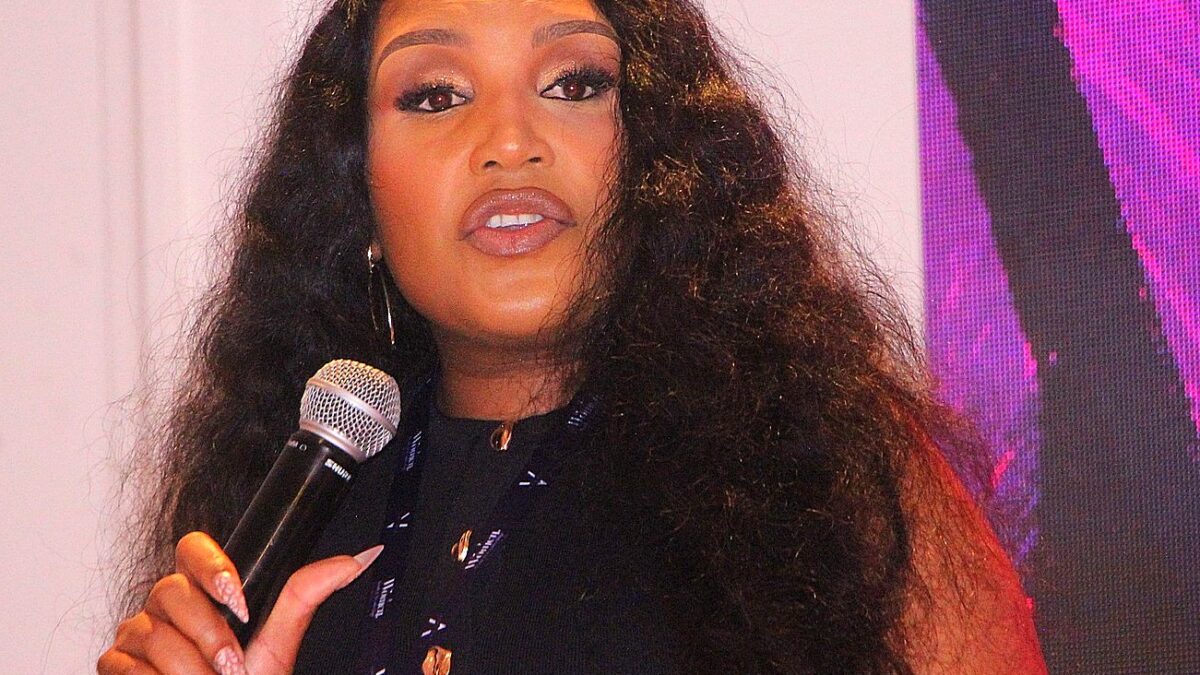
Read E-PaperOpening the summit, held at Hyatt Regency Harare on Thursday 22 October 22, 2026, Mercy Musekiwa, co-founder of The VASE, said inclusive industrialisation requires women to be recognised not merely as participants in economic activity, but as business owners, investors, leaders and decision-makers. Africa’s development ambitions cannot be realised while women continue to face barriers to financing, professional networks, sponsorship and a voice in decisions on how capital and resources are allocated. “The barriers are not ability but access to capital, networks, sponsors and opportunities,” she said.
Musekiwa said The VASE was established to develop a pipeline of women prepared to lead in businesses, institutions and communities, and to ensure that emerging leaders receive the support they need to reach influential positions. Its year-round programmes includes The VASE Table, which features influential authors and speakers; school and university engagements; and VASE Insiders webinars on finance, branding and marketing.
She called for greater collaboration among women’s organisations, arguing that initiatives advancing women should complement one another rather than compete for space and resources. “African women,” she added, “should build stronger business relationships across borders, trade with one another and deliberately open doors for emerging entrepreneurs.”
The summit’s sessions on regional trade, industrialisation, export readiness, access to capital, leadership progression and wellness are designed to give participants tools they could apply beyond the conference, and Musekiwa challenged the delegates to leave with at least one concrete action to advance women’s leadership and economic participation. She also backed calls for a woman to become the next United Nations secretary-general, stressing the importance of women’s representation at the highest levels of international leadership. The summit was organised by The Vase, whose other co-founders include Maimba Mapuranga and Tatenda Mushoriwa, who also sat on a panel at the event.
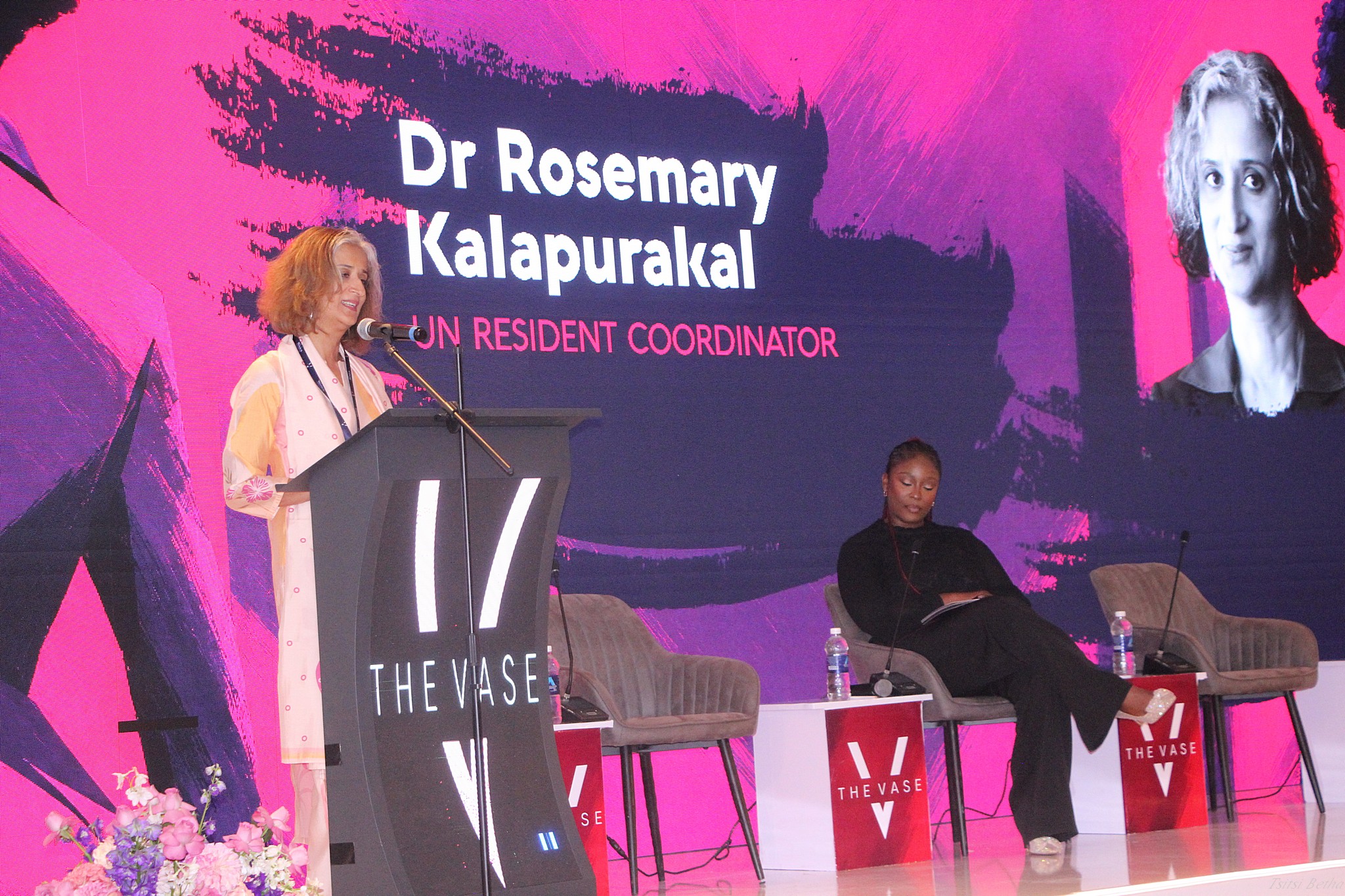
Adressing the delegates, UN Resident Coordinator in Zimbabwe Dr Rosemary Kalapurakal said women should not be expected to keep overcoming barriers that institutions have the power to remove. Citing a UN Women study of nearly 600 women-owned businesses in Zimbabwe, she said 87 percent were micro-enterprises, 64 percent were unregistered and only two percent exported, figures that point to the difficulty of moving from small-scale operations into formal, export-oriented markets. “Zimbabwe does not lack women entrepreneurs. What it lacks is pathways for them to grow their businesses,” she said, “building women’s businesses takes more than training in financial literacy, pitching and market readiness. Banks, procurement systems, corporate supply chains, export channels and digital markets also need to ask whether their processes allow women-owned enterprises to participate effectively.” She also mentioned that finances remain important and that women also need technology, recognised standards, certification, market information and links to buyers.
She encouraged financial institutions to set measurable targets for financing women-owned businesses and called on companies to adopt gender-responsive procurement so that women-led suppliers could compete for contracts. “The African Continental Free Trade Area offers access to a wider market,” she added, “but women-owned businesses will need the scale, standards, trade knowledge and commercial relationships to take advantage of it.”
Kalapurakal also tied women’s economic participation to access to healthcare, freedom from violence, control over their bodies and a fairer distribution of unpaid care work, describing these as foundations for economic opportunity rather than separate social issues.
She said the summit’s success should be judged by results: finance reaching women-owned businesses, contracts awarded, enterprises growing from micro to small, and companies entering regional markets. The UN Zimbabwe team is preparing a new cooperation programme with the Government of Zimbabwe for 2027–2031, focused on access to formal finance, gender-responsive banking, inclusive innovation, and women’s health and agency.
Women should not simply be invited into decision-making spaces, Kalapurakal said, but given the authority to shape the decisions made there. For the business leaders, entrepreneurs, policymakers and development partners who filled the hall, the test now is whether those words turn into loans approved, contracts signed and exports shipped.
Get instant news updates delivered straight to your WhatsApp.