- Senior officials review trade, migration, infrastructure and security cooperation ahead of meetings between ministers and presidents
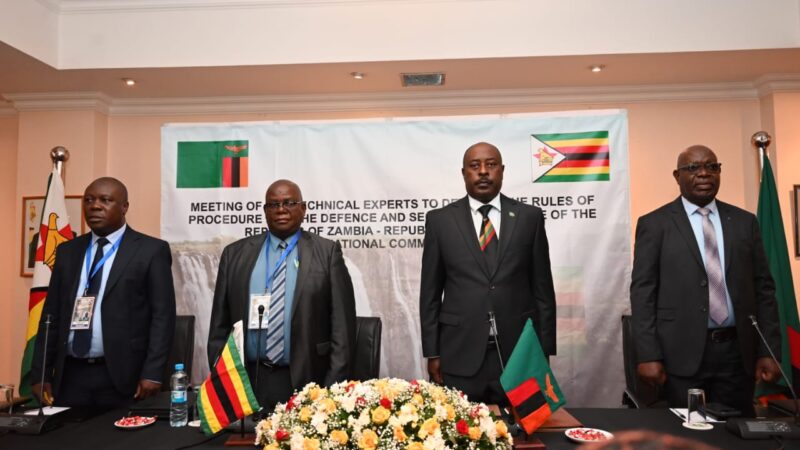
Zimbabwe and South Africa have pledged to convert years of bilateral commitments into measurable results as senior officials opened the fourth session of their Bi-National Commission in Pretoria on Tuesday.
📰 For this and more exclusive stories, read our weekly digital print edition.
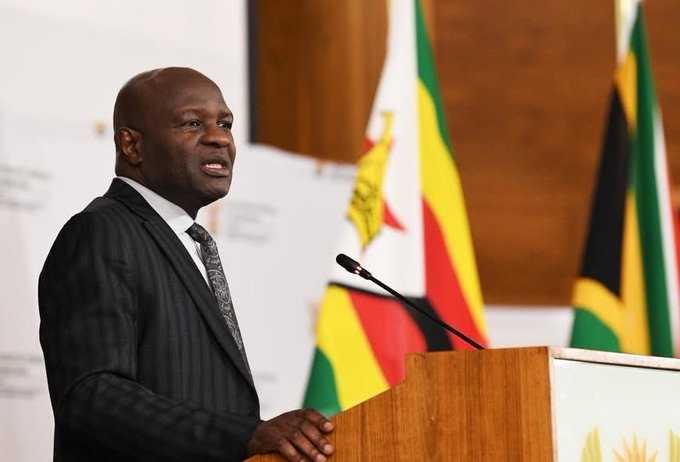
Read E-PaperThe meeting, held on August 18, was co-chaired by Zimbabwe’s Secretary for Foreign Affairs and International Trade, Ambassador Albert Ranganai Chimbindi, and South African Department of International Relations and Cooperation official Ambassador Tebogo Seokolo.
It prepared the ground for a ministerial meeting scheduled for Thursday and talks between Presidents Emmerson Mnangagwa and Cyril Ramaphosa on Friday.
Chimbindi described the commission as an important mechanism for maintaining relations between the neighbouring countries, but said agreements reached through it must deliver practical benefits to their citizens.
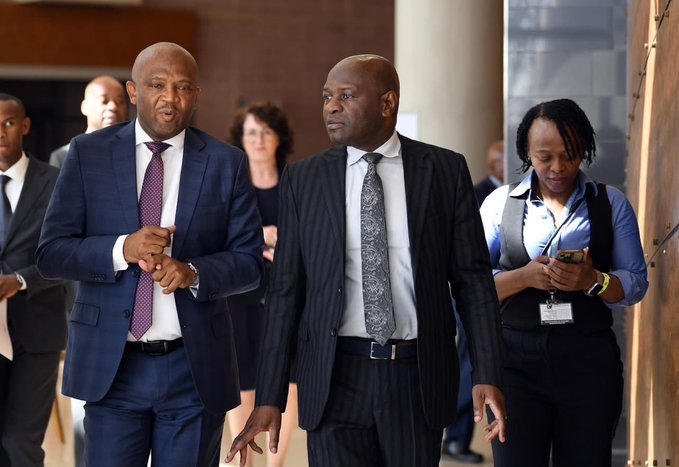
The officials reviewed cooperation in trade and investment, infrastructure, energy, water, transport, security, migration and diplomatic relations.
However, statements released after the meeting did not identify the outstanding agreements, provide implementation deadlines or disclose how progress would be measured.
Seokolo said the two governments should build on their historical, economic and social links by strengthening practical cooperation across sectors.
The emphasis on implementation is significant because the fourth commission has been delayed for several years.
When the third session concluded in Harare in March 2019, South Africa was expected to host the next meeting in 2020. It is now taking place six years later, although the two governments continued holding ministerial and technical engagements during that period.
Neither government’s latest statement explained the reason for the long interval.
The Bi-National Commission was established in April 2015 as the central platform for managing relations between the two countries. More than 33 agreements and memoranda of understanding have since been concluded, according to the South African Presidency.
The existence of those agreements has not eliminated longstanding challenges affecting businesses and citizens on both sides of the border. These include delays along regional transport routes, migration pressures, uneven trade flows and the need for reliable infrastructure linking the two economies.
Beitbridge Border Post remains central to those discussions. It connects Zimbabwe to South Africa and forms part of the North-South Corridor, a major freight route stretching from the Port of Durban through Zimbabwe towards Zambia and the Democratic Republic of Congo.
During a preparatory meeting in May, Seokolo described Beitbridge as Africa’s busiest land border crossing and said shorter, more predictable transit and border-clearance times were necessary. He also acknowledged wider structural constraints affecting the corridor, including delays at the Port of Durban.
Zimbabwe has modernised its side of the Beitbridge crossing and is building a second bridge to ease congestion. Discussions about a third bridge are also underway, according to South Africa’s Department of International Relations and Cooperation.
Migration is another politically sensitive issue likely to require more than broad statements of cooperation. South Africa is the main destination for many Zimbabweans seeking employment, education and access to services.
South Africa’s 2022 census recorded more than 2.4 million international migrants, representing slightly less than four percent of the population. Mozambique and Zimbabwe have consistently been the leading countries of origin for migrants entering South Africa since 1996, according to Statistics South Africa.
The figures underline the scale of cross-border movement, although they do not support inflated claims frequently circulated about the total number of migrants in South Africa.
Officials face the challenge of managing legal and irregular migration while protecting migrants’ rights, supporting border security and responding to public concern about pressure on jobs and services.
Economic relations remain equally important.
South Africa is a major source of imports, investment and manufactured goods for Zimbabwe, while Zimbabwe supplies agricultural products, minerals and other goods to the South African market.
South African companies also maintain investments in Zimbabwean banking, retail, mining, telecommunications and manufacturing.
Officials have identified mining, particularly critical minerals and local processing, as an area in which cooperation could expand.
The test will be whether the commission produces bankable projects and clearer trade-facilitation measures rather than another set of general commitments.
Water and energy cooperation also carry immediate importance. Zimbabwe has faced persistent electricity shortages, while both countries must manage shared water resources and infrastructure under increasing pressure from population growth and climate-related disruptions.
The two delegations also discussed regional security and integration. As neighbouring members of the Southern African Development Community, Zimbabwe and South Africa regularly coordinate positions on regional conflicts, cross-border crime and economic development.
Friday’s presidential session is expected to review progress on existing commitments and conclude with the signing of several new agreements and memoranda of understanding.
The subjects and terms of those proposed instruments had not yet been publicly disclosed.
The meeting gives both governments an opportunity to demonstrate that the commission can address everyday problems faced by traders, transport operators, migrants and communities along the border.
Its success, however, will depend less on the number of agreements signed than on whether the two governments publish clear responsibilities, deadlines and evidence that earlier commitments have been implemented.