📲 Join our WhatsApp Channel for Breaking News!
Follow on WhatsAppBy Takudzwa Karowangoro in Beijing, China
📰 For this and more exclusive stories, read our weekly digital print edition.
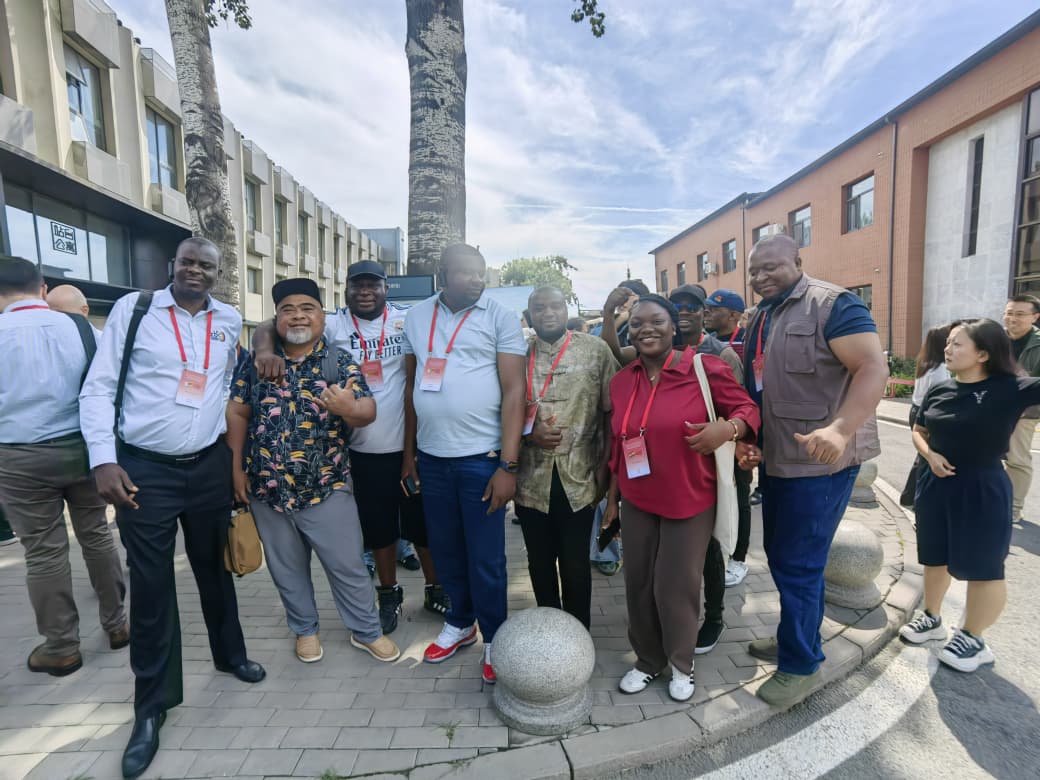
Read E-PaperNews officials and journalists from the Global South on Friday visited a Chinese museum, the AI-Generated Content Exhibition Centre and the Beijing Radio and Television Station (BRTB) Audiovisual Convergence Centre in Beijing, where they witnessed how artificial intelligence is being deployed to restore, enhance and preserve historical audiovisual materials.
The visit highlighted China’s growing collaboration with developing nations, including Zimbabwe and several other African countries, through a new technical cooperation programme focused on strengthening artificial intelligence capabilities and modernising the preservation of national archives.
The initiative is designed to equip professionals with advanced AI skills while supporting the digitisation, restoration and long-term safeguarding of historical audio and visual records. It is expected to provide participating countries with innovative tools to protect and preserve their cultural and historical heritage for future generations.
China has increasingly adopted AI-powered technologies to recover ageing archives affected by time and poor storage conditions. The systems can reduce background noise, repair scratches, sharpen blurred images and improve deteriorated video footage, extending the lifespan of valuable historical content.
Addressing media officials and journalists during the tour, Liu Chenming said international cooperation is essential to preserving audiovisual heritage in developing countries.
“Countries across the world possess extensive audiovisual collections that capture their histories and reflect humanity’s shared cultural heritage. Many invaluable recordings remain stored on analogue tapes and film reels, where inadequate preservation conditions continue to cause deterioration and loss in quality.
The opportunity to safeguard these materials is rapidly diminishing as irreversible physical damage threatens to erase important memories and historical records. We invite our partners to work with us in preserving archives, improving content quality and building local expertise for future generations,” he said.
China has already implemented its Digital Restoration and Enhancement of Archives and Media (DREAM) programme in several developing countries following its successful rollout in Egypt, with more nations expected to benefit from the initiative in the future.
Get instant news updates delivered straight to your WhatsApp.