
Finance, Economic Development and Investment Promotion Minister Professor Mthuli Ncube has called for a global shift in growth financing models, urging countries to reduce reliance on traditional debt and aid and instead strengthen domestic resource mobilisation and innovative financing mechanisms.
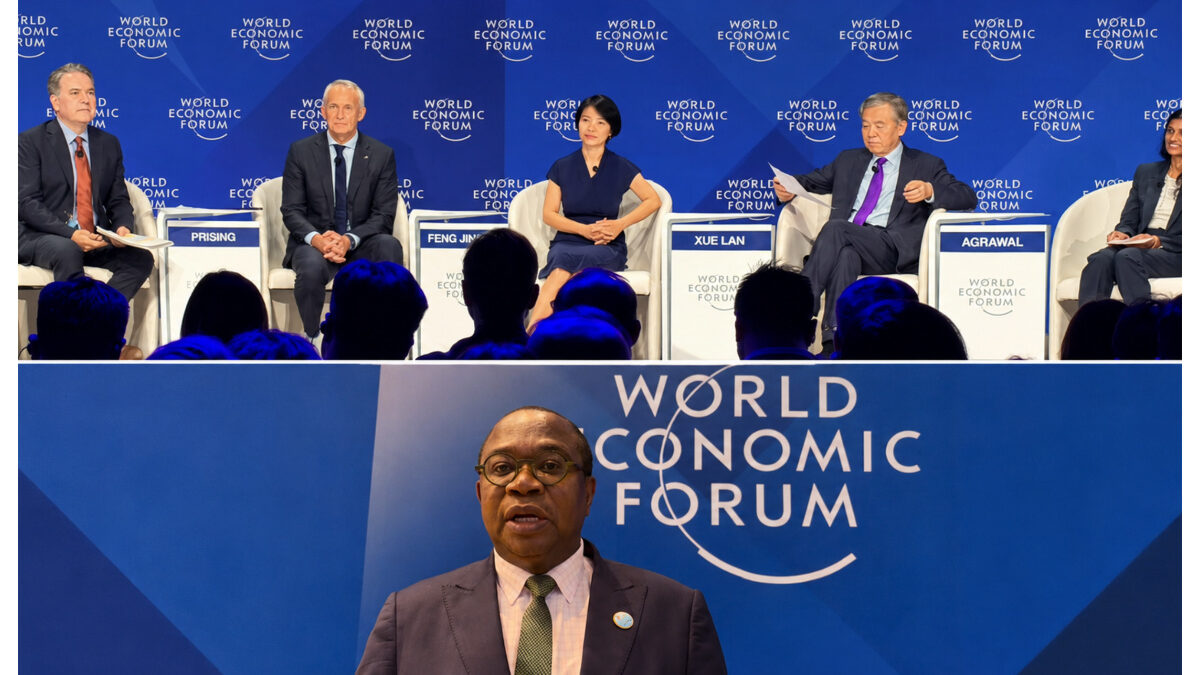
Speaking during the World Economic Forum’s 17th Annual Meeting in Dalian, China, at a session titled “Scenarios for Financing Growth,” Ncube said the global economy was facing heightened uncertainty caused by geopolitical tensions, tighter financial conditions, fragmented trade systems and rapid technological changes.
He said many developing economies were experiencing shrinking fiscal space, rising debt servicing costs and limited access to concessional financing.
“The traditional reliance on public debt and aid is no longer sufficient to sustain growth,” Ncube said, adding that domestic resource mobilisation remains the most sustainable pathway for financing economic development.
ALSO READ: Zimbabwe Opens New Diplomatic Chapter with UN and Russia Engagements
Ncube warned that increasing debt burdens in many countries were crowding out critical public investment and limiting governments’ ability to support growth and social development.
The minister outlined Zimbabwe’s strategy to attract private capital through improved investment conditions, public-private partnerships and financial sector deepening.
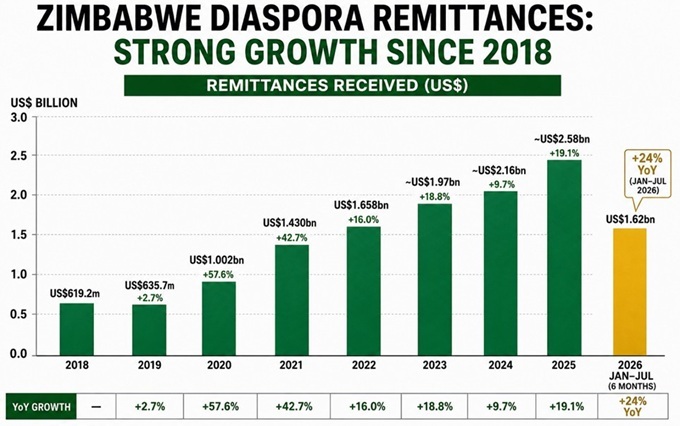
He said the country was also pursuing alternative financing instruments, including debt-for-development swaps and the mobilisation of diaspora remittances, which he said exceed US$3 billion annually.
Ncube highlighted ongoing structural reforms aimed at improving the business environment, including targeted tax incentives, customs duty exemptions on key industrial inputs and special economic zone policies intended to promote industrialisation and boost exports.
On monetary policy, he said the Reserve Bank of Zimbabwe had introduced measures to lower financial intermediation costs and expand access to credit through targeted financing facilities for productive sectors such as manufacturing, agriculture and small-to-medium enterprises.
According to Ncube, the reforms are intended to strengthen macroeconomic stability, improve productivity and support Zimbabwe’s long-term objective of attaining upper-middle-income economy status.
“Zimbabwe is open for business, reforming and ready for investment,” he said.
The World Economic Forum meeting in Dalian brings together policymakers, business leaders and economists to discuss strategies for sustaining growth amid changing global economic conditions.