By Desire Tshuma
📰 For this and more exclusive stories, read our weekly digital print edition.
Read E-PaperHarare — The Zimbabwe Gender Commission has launched a 90-day national campaign against intimate partner violence, warning that escalating cases of domestic violence, including disputes resulting in deaths, require urgent intervention and a coordinated national response.
The campaign, running from October to December 2026 and culminating in the 16 Days of Activism Against Gender-Based Violence, seeks to shift the national focus from responding to violence after it occurs to preventing abuse, identifying warning signs early and promoting peaceful relationships.
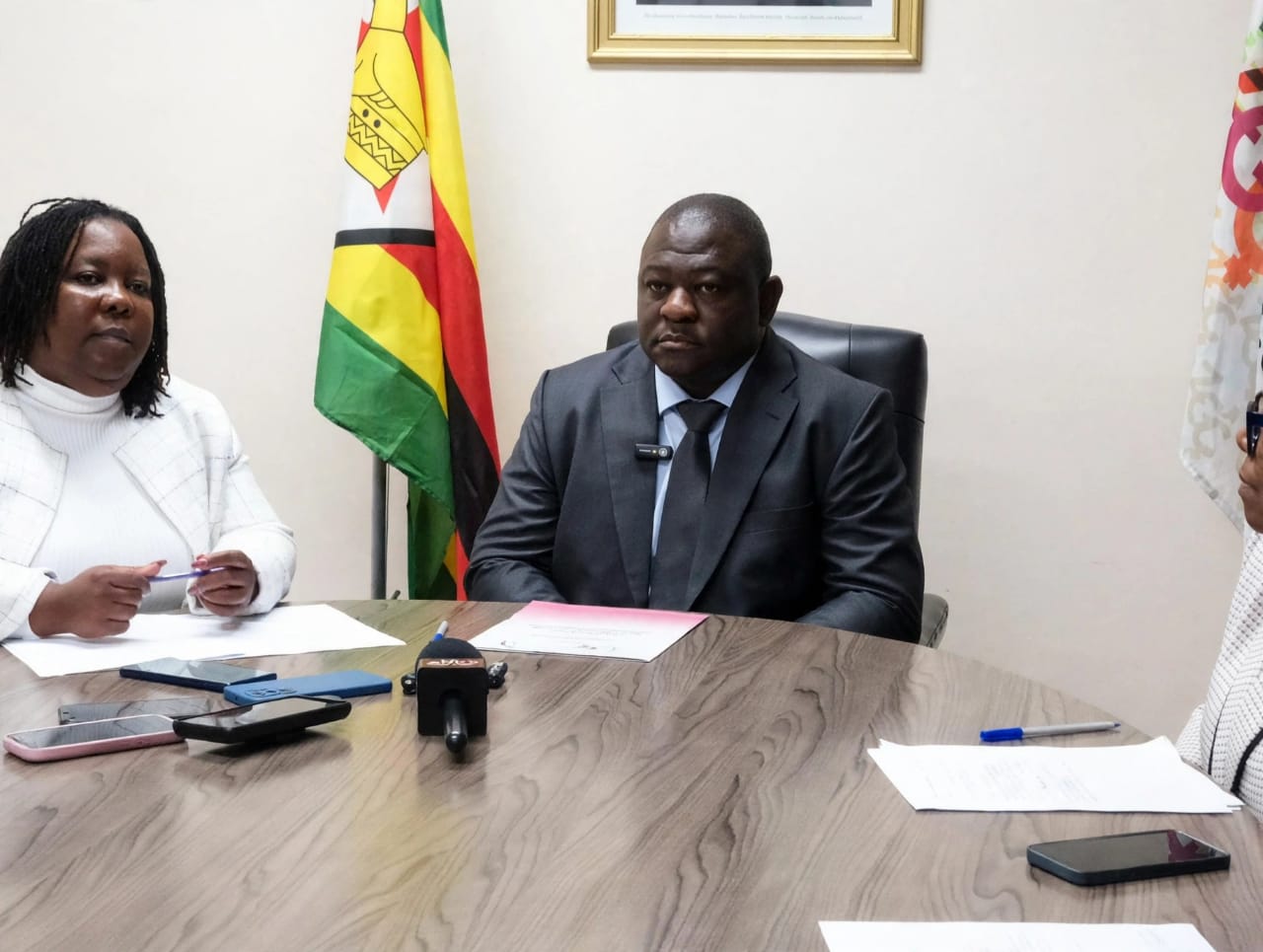
Speaking during the launch, Zimbabwe Gender Commission chairperson Mr Lesley Ncube said intimate partner violence could no longer be treated as a private family matter, as its consequences extend to families and communities.
“A home should be a place of safety, dignity, love and respect, not a place of fear,” Ncube said.
He said the Commission was deeply concerned by reports of physical, sexual and emotional violence within intimate relationships, with some cases escalating to grievous bodily harm, murder and suicide.
According to figures cited by the Commission from the Zimbabwe Republic Police, 13,838 cases of sexual offences and aggravated domestic violence were recorded in 2024.
The Zimbabwe Demographic and Health Survey 2023-2024 also indicates the widespread nature of violence against women, with 27 percent of women aged 15 to 49 reported to have experienced physical violence during their lifetime, while nine percent experienced sexual violence.
Ncube said the official figures could represent only part of the problem, as many survivors remain silent because of fear, stigma, economic dependence, threats, shame, social pressure and concerns over family breakdown.
“Behind every reported case, there may be many more incidences that remain hidden because of fear, stigma, economic dependence, shame, threats, social pressure, lack of information, concerns about family breakdown or limited access to support services,” he said.
The Commission said the campaign would promote early identification of warning signs, mental health dialogue, healthy relationships, peaceful conflict resolution, reporting, survivor support and institutional accountability.
The initiative brings together government, civil society, development partners, the private sector, communities, the media, faith-based organisations and traditional leaders.
The campaign will focus on five key areas — public awareness and sensitisation, government and institutional engagement, involvement of men and boys in prevention, engagement with faith and traditional leaders to promote peaceful homes, and the creation of supportive and safe workplaces.
Ncube stressed that although women and girls continue to bear a disproportionate burden of gender-based violence, men and boys can also be victims of intimate partner violence.
He said male survivors often struggled to report abuse because of stigma, shame, fear of ridicule and harmful expectations surrounding masculinity.
“The Commission therefore calls for an inclusive and gender-sensitive response in which every survivor, regardless of gender, can access information, prevention, protection, support, justice and appropriate referral services,” Ncube said.
The Commission is also seeking greater involvement of men and boys in preventing violence, urging them to reject abuse and promote respectful relationships.
Ncube called on parents to teach children communication and peaceful conflict resolution, while urging religious and traditional leaders to challenge harmful social norms and speak openly against domestic violence.
Employers were also urged to establish safe referral and support mechanisms for workers affected by intimate partner violence.
The Commission further called on the media to report cases accurately, ethically and responsibly, warning against sensational coverage that could further harm survivors.
Communities were urged not to ignore warning signs and to report cases in line with the Anti-Domestic Violence Act of 2007.
The campaign is being implemented within the broader framework of Zimbabwe’s efforts to eliminate gender-based violence, including the High-Level Political Compact to End Gender-Based Violence and Harmful Practices.
The Commission said the compact seeks the eradication of sexual violence, child marriages and intimate partner violence by 2030, supported by operational benchmarks and efforts to strengthen domestic financing for gender-based violence programmes.
Ncube said preventing intimate partner violence was ultimately about protecting individuals, children and families while building safer communities.
“Violence is preventable and safe homes are possible. We must recognise the warning signs early, support survivors regardless of their gender, challenge harmful norms, promote mutual respect and strengthen referral and response systems,” he said.
He ended the Commission’s appeal with a call for collective action: “No to intimate partner violence, yes to love that respects, yes to peaceful homes.”