📲 Join our WhatsApp Channel for Breaking News!
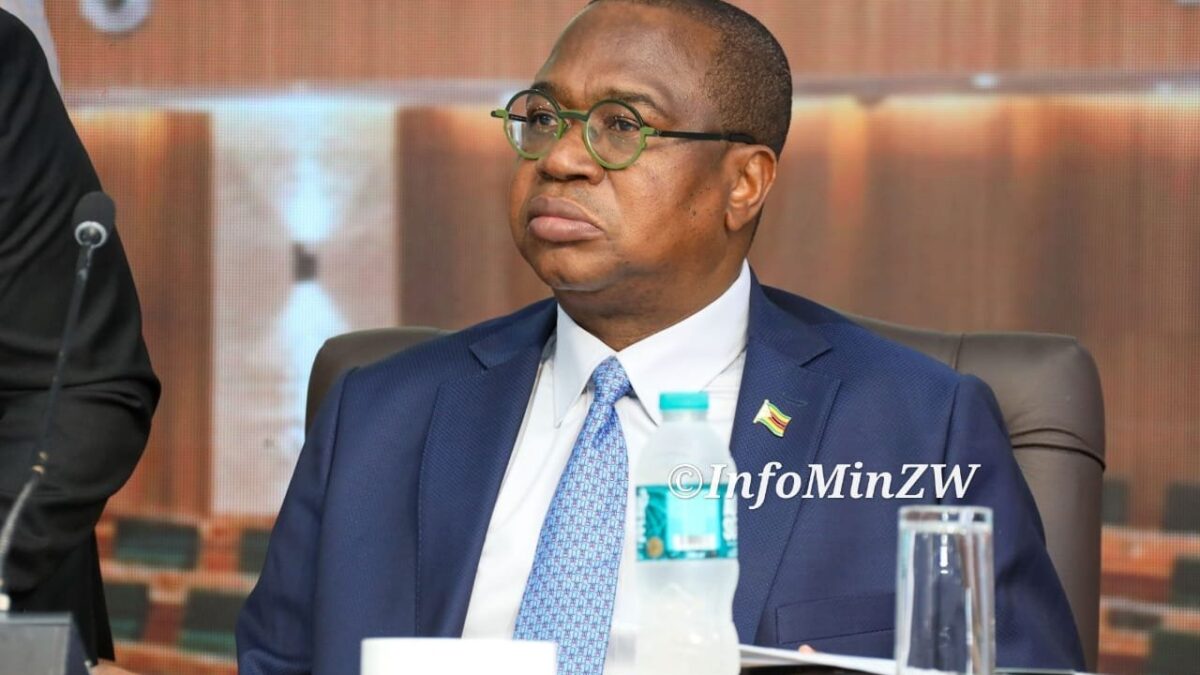
Follow on WhatsAppGovernment revenue collections reached ZiG224.67 billion in the first nine months of 2026, against expenditure of ZiG188.68 billion, resulting in a fiscal surplus of approximately ZiG36 billion, Finance Minister Hon. Mthuli Ncube has said.
📰 For this and more exclusive stories, read our weekly digital print edition.
Read E-PaperSpeaking at the 2027 National Pre-Budget Seminar at the Zimbabwe International Exhibition Centre (ZIEC) in Bulawayo today, Hon. Ncube said the Government expected revenue collections to exceed the annual target by at least 10 percent, supported by economic stability, improved tax compliance and the digitalisation of revenue collection systems.
“We are projecting that we will end the year with revenue collections at least 10 percent above the annual target,” Minister Ncube said.
He said value-added tax (VAT), corporate income tax, personal income tax and customs-related duties were among the major contributors to Government revenue.
According to Minister Ncube’s breakdown, VAT accounted for 28 percent of collections, while personal income tax contributed 17 percent and corporate income tax 18 percent. External duties contributed nine percent, while customs duty accounted for seven percent.
Hon. Ncube attributed the improved revenue performance partly to macroeconomic stability, saying a more stable economic environment had encouraged businesses to meet their tax obligations more consistently.
“Economic stability has contributed to the improved performance in revenue mobilisation, as businesses are increasingly able to meet their tax obligations on time,” Minister Ncube said.
He also credited the Zimbabwe Revenue Authority’s (ZIMRA) digitalisation initiatives with improving the efficiency of tax administration and revenue collection.
“The digitalisation of ZIMRA’s systems is yielding positive results, improving the efficiency of revenue collection and strengthening tax administration,” Hon. Ncube said.
The minister said tax measures approved by Parliament over the past two to three years were also beginning to deliver their full revenue impact, noting that new taxes often took time to generate significant returns.
He identified economic stability, improved collection efficiency and the gradual impact of tax measures as key factors supporting revenue performance.
Hon. Ncube added that budget utilisation during the first three quarters stood between 65 and 68 percent, describing the level as reasonable for the period under review.
The revenue performance comes as the Government prepares its 2027 National Budget, with the seminar providing a platform to discuss the country’s economic outlook, revenue mobilisation and spending priorities.
Get instant news updates delivered straight to your WhatsApp.