📲 Join our WhatsApp Channel for Breaking News!
Follow on WhatsAppZimbabwe, India and other African countries have been urged to deepen technology partnerships, widen investment and build homegrown companies able to create jobs and compete globally.
📰 For this and more exclusive stories, read our weekly digital print edition.
Read E-PaperThe appeal came at the Zimbabwe-India-Africa Tech and Entrepreneurship Summit 2026, held on Wednesday at Hyatt Regency Harare, The Meikles. Minister of Information Communication Technology, Postal and Courier Services Tatenda Mavetera was guest of honour.
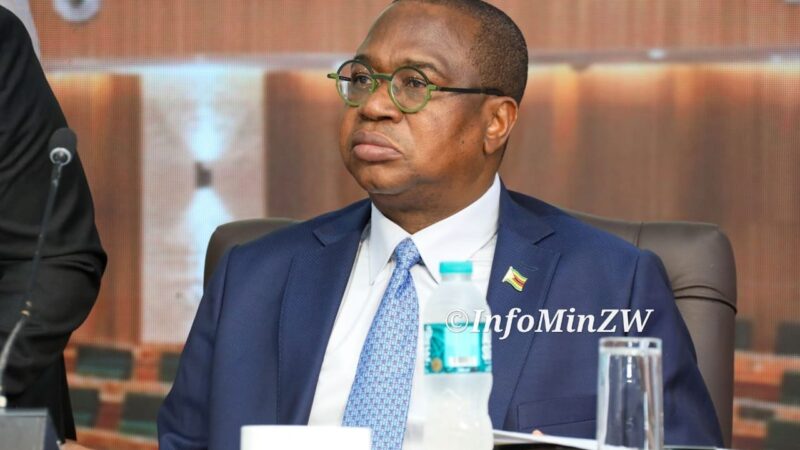
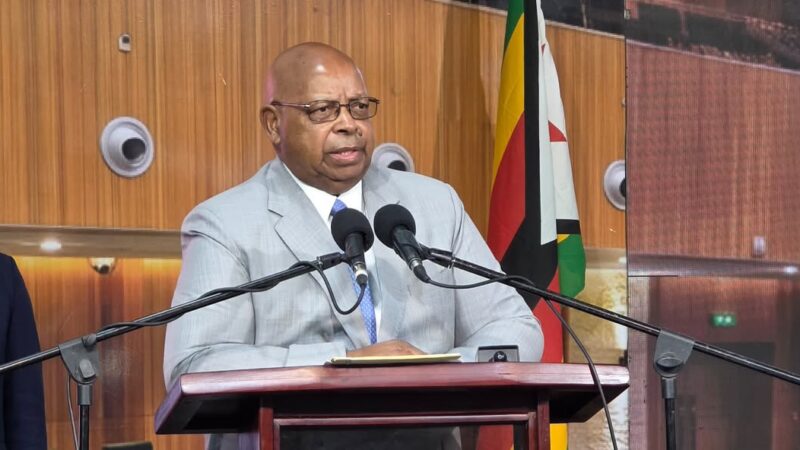
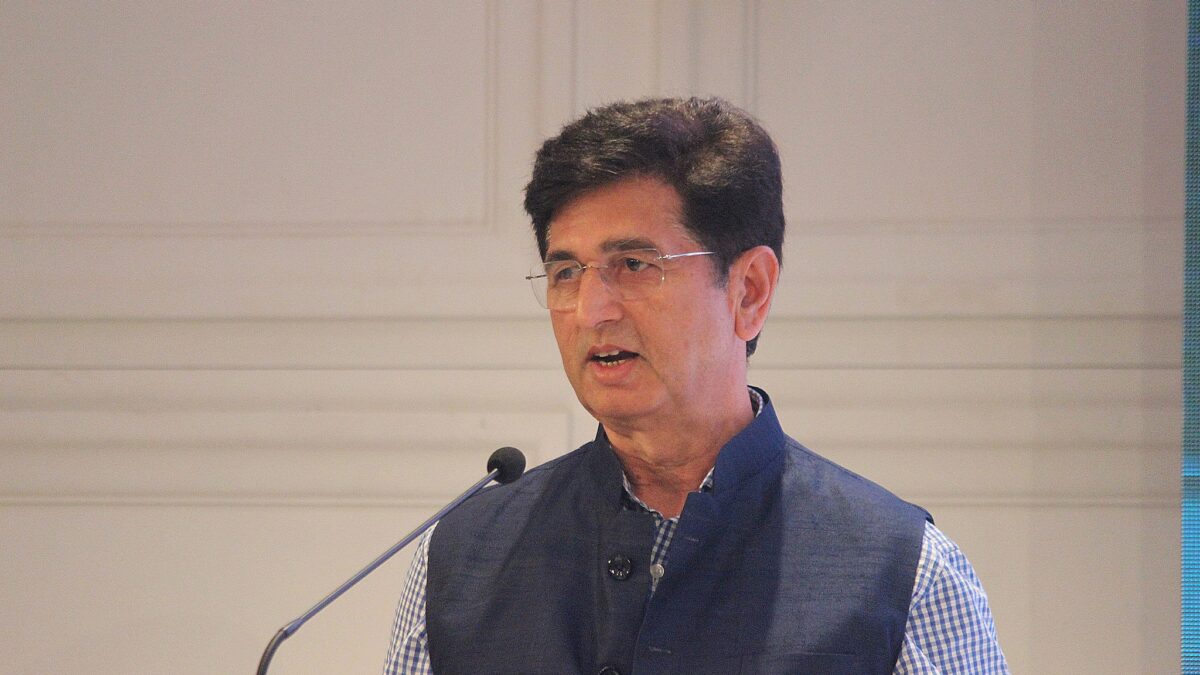
Minister Mavetera, the Zimbabwe Investment and Development Agency (ZIDA) chairman Busisa Moyo and India-Africa Entrepreneurs Forum founder Baljinder Sharma all stressed the need to turn the discussion into practical projects.
Mavetera said technology should be judged by its effect on livelihoods, business growth and public services.
“My message on the future of the IT sector in Zimbabwe is straightforward: technology must create productive work, strengthen businesses and improve public services. Its value must reach the farmer seeking a market, the graduate seeking employment and the citizen seeking efficient service,” she said.
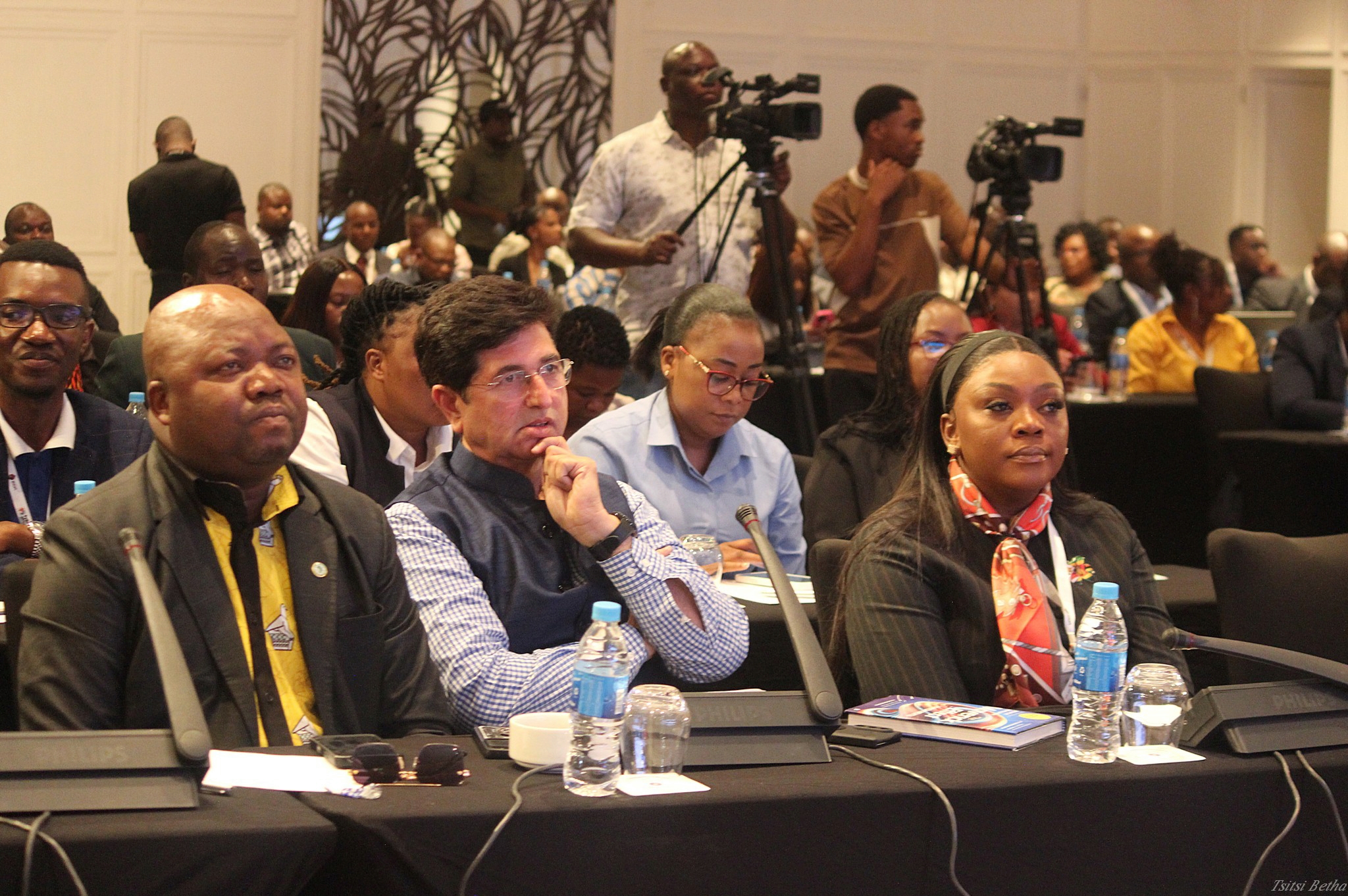
She told the delegates that Zimbabwe’s digital ambitions under Vision 2030 depend on dependable infrastructure, affordable connectivity, skilled professionals and closer cooperation between government and the private sector. Zimbabwe recorded 17.19 million active mobile subscriptions in the second quarter of 2026, she said, while mobile data traffic rose 6.92 percent to 191.73 petabytes.
The 2025 ICT household survey, however, found that although 75.5 percent of households had home internet access, only 11.2 percent owned a computer, underlining the need for better access to devices and skills.
The minister called for more investment in infrastructure and training, particularly in software development, cybersecurity and data analysis, and urged employers and educational institutions to offer paid apprenticeships. She encouraged Indian investors to develop Zimbabwean talent through genuine skills transfer.
Mavetera named artificial intelligence as another priority, citing possible uses in agriculture, manufacturing and public service delivery, while stressing accountability, cybersecurity and responsible handling of personal data. She welcomed proposals for an anchor outsourcing partnership and an AI data and language studio that could support work in English, Shona and Ndebele. She also proposed a voluntary review within 90 days to measure progress on agreed projects.
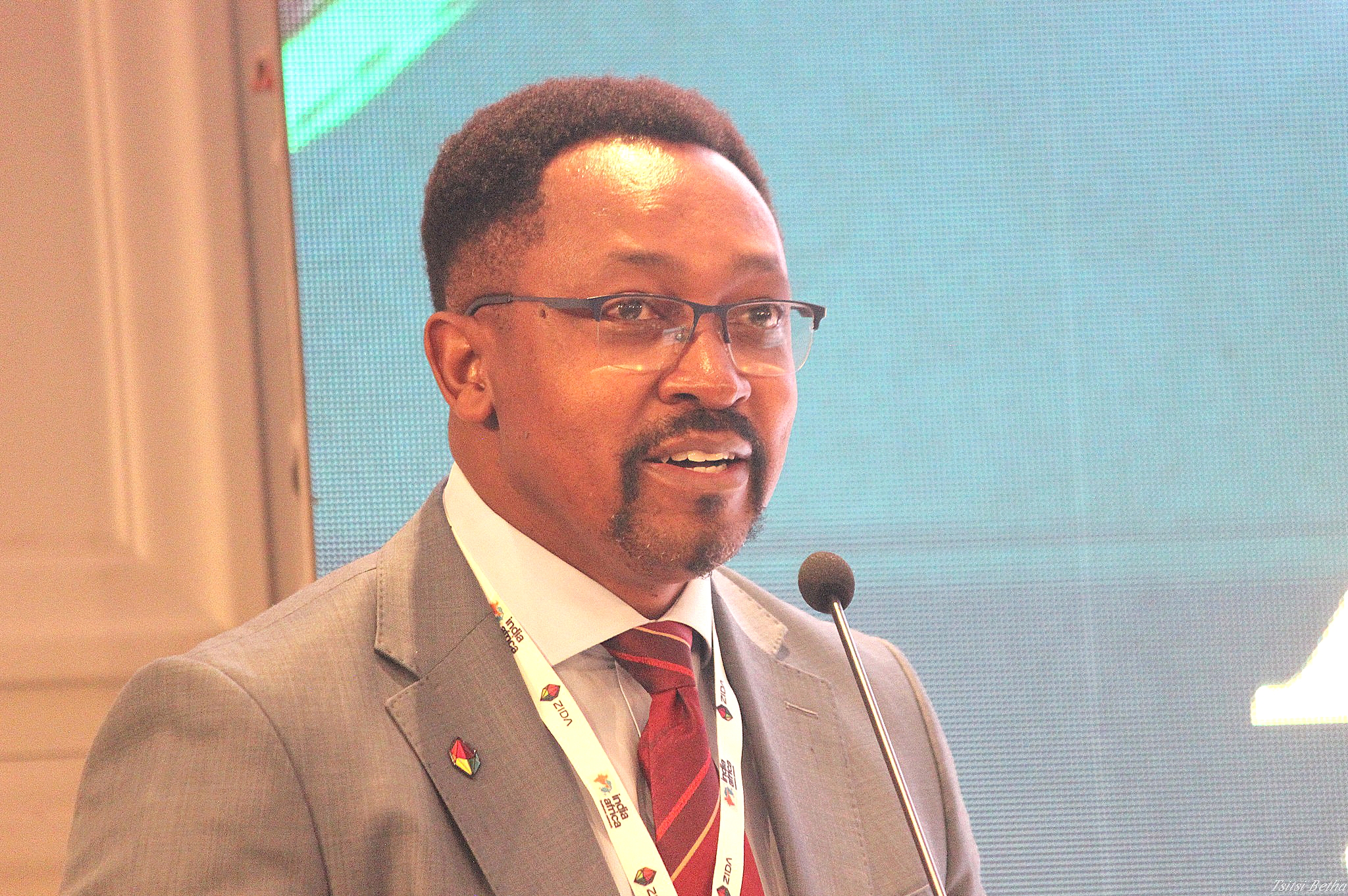
Moyo said the technology sector was not yet delivering what it could for the economy.
“I think we’re here because the tech sector could be punching below its weight in terms of contribution to GDP and job creation. And this is not a problem of government. It’s a problem or a challenge that we must tackle collectively, because government can only work with entrepreneurs and creators, arrangers of capital, arrangers of opportunity,” Moyo said.
He identified China as Zimbabwe’s largest source of projected foreign investment, with 544 investment licences against 111 for India. He cautioned that the figures reflect investment intentions declared by investors, not capital already deployed, and that some projects take years to reach full implementation. Energy and mining continue to attract the most projected investment, he said, while information and communications technology needs greater attention.
Describing the Zimbabwe-India relationship, Moyo noted that Zimbabwe exports minerals and imports medicines, machinery and other goods from India. Technology cooperation, he said, could build on those commercial links.
He challenged African entrepreneurs to produce more billion-dollar technology companies, noting an estimated 15 such unicorns across Africa compared with 160 to 180 in India. He also urged businesses to organise and engage government collectively.
“Government can only work with an organized business. If we don’t organize ourselves,” he said, drawing on his time as a former chairman of the Federation of ZimbabwecIndustries.
Sharma called for stronger digital links between communities in India and Africa to overcome distance and open the way for joint enterprises.
“One of the ways is to look at creating digital connectivity between the communities in India and communities in Africa to work together,” Sharma said.
He insisted that the summit must yield measurable outcomes and a clear plan of action.
“We want to go from here with a very clear action plan: what next? What do we do next week? What do we do a month from now? What do we do six months from now?” he said.
He urged delegates to take personal responsibility for follow-through.
“As we’re going through our presentations, going through our panels, as you’re jotting down your questions, ask yourself, what role do I play in all this?” Sharma said.
He added a blunt warning against empty talk. “We don’t want another talk show. We want to discuss, we want to identify, and then we want to solve,” he said.
Taken together, the three speakers’ remarks pointed to a common goal: converting investment and international goodwill into jobs, stronger enterprises, skills and wider digital access. The summit’s proposed focus on outsourcing, artificial intelligence, digital services and cross-border business networks offers possible avenues for Zimbabwean and Indian stakeholders.
The challenge now is to turn those opportunities into viable projects, investment commitments and partnerships that build local capacity and deliver lasting economic benefit.
Get instant news updates delivered straight to your WhatsApp.