

Jacaranda Music Festival is no longer measuring its success only by the size of its crowd or the popularity of the artists on its poster. As the event prepares for its ninth edition, organisers are pursuing a more enduring ambition: making Jacaranda one of the occasions Harare expects every year.
The 2026 festival will take place from 2 to 4 October at Thornpark Polo Club, bringing together Zimbabwean performers, regional acts and artists working across amapiano, dancehall, gospel, contemporary music and traditional sounds.
For festival director Wanyanya, the central challenge is to build an identity that lasts beyond any single lineup. Artists may change from one edition to the next, but the experience associated with Jacaranda must remain strong enough to bring audiences back.
That is a more demanding goal than staging a successful concert. A concert can be judged by ticket sales and the energy of one night. A festival that becomes part of a city’s cultural calendar must earn trust over time. It must give audiences confidence that the programme will be thoughtfully assembled, the atmosphere will be distinctive and the weekend will be worth planning around.
Building a festival people recognise
Jacaranda’s 2026 programme has been developed around a balance of familiarity and discovery. Established names are expected to draw audiences, while less familiar performers give the festival room to introduce new sounds and new audiences to one another.
The organisers say their decisions are based on more than popularity. An artist’s live-show reputation, musical identity, generation and potential contribution to the wider programme are all considered. The intention is to ensure that the festival feels like one carefully shaped event rather than a collection of unrelated concerts.
That curatorial approach could prove important as Jacaranda seeks a lasting place in Harare’s cultural life. A recognisable festival brand depends on more than headline acts; it depends on the audience knowing what kind of experience to expect when they arrive.
In that sense, the festival is attempting to create a relationship with patrons that extends beyond annual announcements. The long-term hope is that people will trust Jacaranda enough to buy tickets because of the festival’s reputation, even before they know every name on the bill.
A broad lineup for the 2026 edition
The three-day programme combines popular performers with emerging and regional voices.
|
Date
|
Performers
|
|
Friday, 2 October
|
Andile Brown, Tamy Moyo, Jah Prayzah, The Travellers Band, DJ Youngvibes and BRZE
|
|
Saturday, 3 October
|
Sylent Nqo, Feli Nandi, Njelic, Mr Jazziq, Calequi Y Las Panteras, Nasibo, Jnr Spragga, Spirit Chronicles, Taku Made The Beat, DJ Tatz Bless, Mwendamberi, Maluka, Msiz’Kay and Kotwane Hikwa
|
|
Sunday, 4 October
|
Zee Nxumalo, Caairo, Fusion 5 Mangwiro, Nizhe Desoul, Minister Michael Mahendere, DJ Young Vibes, Thando Lewandowski, MJ The DJ, Enhle, Just Leo, Mandie Mae and Mokoomba
|
The mix gives the festival a wide musical span while retaining a strong Zimbabwean presence. It also allows each day to develop its own character, with audiences able to attend selectively or commit to the entire weekend.
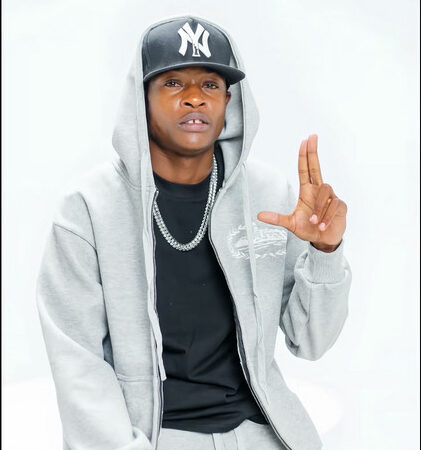
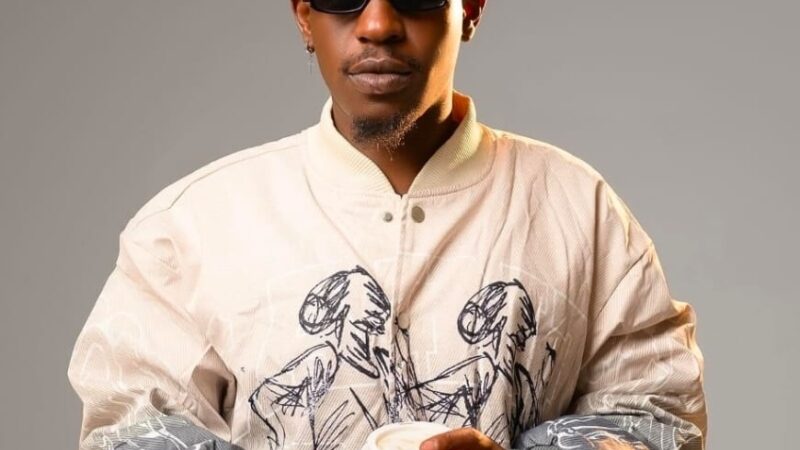
Featured names such as Jah Prayzah, Tamy Moyo, Feli Nandi, Njelic, Mr Jazziq, Zee Nxumalo, Minister Michael Mahendere and Mokoomba are likely to provide major draws, while the wider programme supports the festival’s stated interest in discovery.
Nine years of learning and adaptation
Jacaranda’s growth has been gradual. Since its first edition, the festival has developed relationships with performers, audiences, suppliers, commercial partners and others working across Zimbabwe’s creative industries.
The organisers say the event has evolved as they have learned from each edition. That willingness to adapt may be one of its most important assets in an events industry where audience tastes, commercial expectations and production demands continue to change.
The objective now is to make October feel like Jacaranda season in Harare. Rather than pursuing the title of the country’s biggest festival, the organisers are placing greater emphasis on becoming a dependable annual fixture.
That distinction goes to the heart of the festival’s 2026 strategy. Size can attract attention, but consistency builds a tradition. A cultural institution is not created by one large event; it is created when audiences, artists, businesses and the city itself begin to treat that event as part of their shared calendar.
Business Hub adds a commercial dimension
The introduction of the Jacaranda Business Hub is another sign that the festival is broadening its role.
The initiative is designed to give companies more ways to participate than conventional sponsorship arrangements, where a business mainly receives visibility through branding and promotional activations. Through the Business Hub, companies can showcase products, launch new offerings, meet customers, host clients, reward employees and network with other businesses.
The organisers have linked the initiative to Customer Appreciation Month in October, presenting the festival as a setting where businesses can strengthen relationships while engaging with a large and diverse audience.
That approach treats the festival crowd as more than a group of concertgoers. It is also a community of consumers, clients, entrepreneurs and potential business partners. If managed effectively, the Business Hub could help Jacaranda connect its cultural value with wider commercial activity in Harare.
It also adds another layer to the festival’s identity. Jacaranda is being presented not only as a platform for music, but as a space where culture, community and commerce can meet.
Ticket prices and access
Tickets are being sold in phases, with prices increasing closer to the event.
|
Sales period
|
General Access
|
VIP
|
|
Phase 1: Until 7 September 2026
|
US$25
|
US$50
|
|
Phase 2: 8–30 September 2026
|
US$30
|
US$55
|
|
From 1 October 2026
|
US$40 per day
|
US$60 per day
|
A weekend pass is priced at US$60, subject to availability. For patrons intending to attend all three days, the pass may be the most convenient option.
Physical tickets are listed as available at Liquor Supplies branches in Avondale, Highland Park, Green Fields and Borrowdale in Harare, as well as Bradfield in Bulawayo. Gadget Garage Avondale is also listed as a ticket outlet.
The test of Jacaranda 2026
Interest is reported to have increased since the full lineup was announced, with prospective patrons discussing the festival online, organising group visits and planning their October weekends. Organisers also say they have seen increased engagement from businesses and partners.
The next test is whether that anticipation can be converted into the kind of confidence that lasts from one year to the next. A strong lineup may bring people through the gates, but a consistent experience is what persuades them to return.
Jacaranda Music Festival 2026 therefore carries significance beyond its three-day programme. It is an opportunity for the organisers to demonstrate that the festival can become a reliable part of Harare’s identity—an annual event audiences anticipate, artists value and businesses see as relevant.
If it succeeds, Jacaranda will not simply be another festival on the October calendar. It may become one of the reasons the calendar matters.
Jacaranda Music Festival 2026 at a glance
|
Detail
|
Information
|
|
Dates
|
2–4 October 2026
|
|
Venue
|
Thornpark Polo Club, Harare
|
|
Early-bird prices
|
General Access US$25; VIP US$50
|
|
Weekend pass
|
US$60, subject to availability
|
|
New initiative
|
Jacaranda Business Hub
|
|
Featured performers
|
Jah Prayzah, Tamy Moyo, Feli Nandi, Njelic, Mr Jazziq, Zee Nxumalo, Minister Michael Mahendere, Mokoomba and others
|