
Connect with us

Current Affairs

Minister Garwe Leads Repatriation of Malawian Bus Crash Victims

Published

on

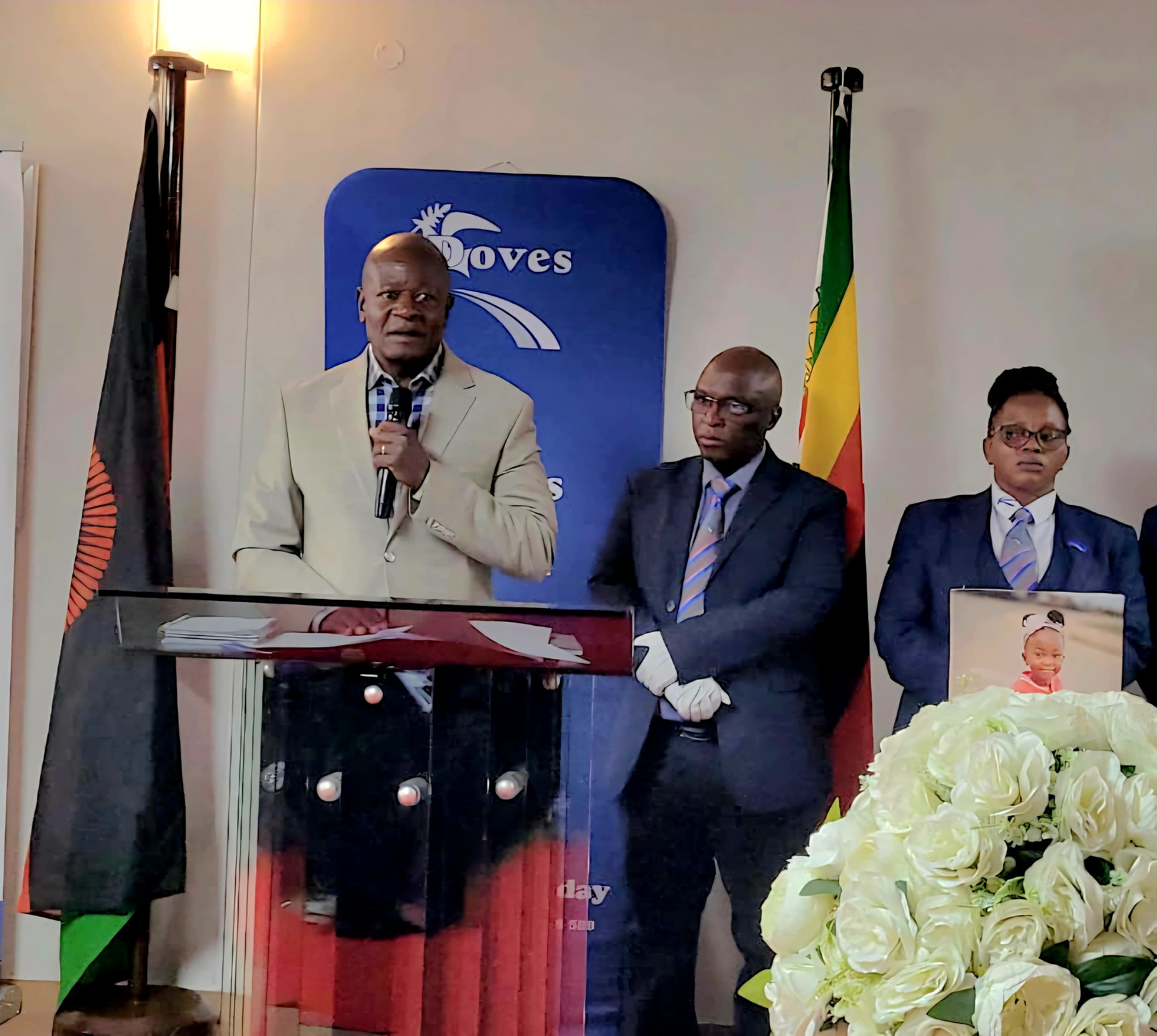
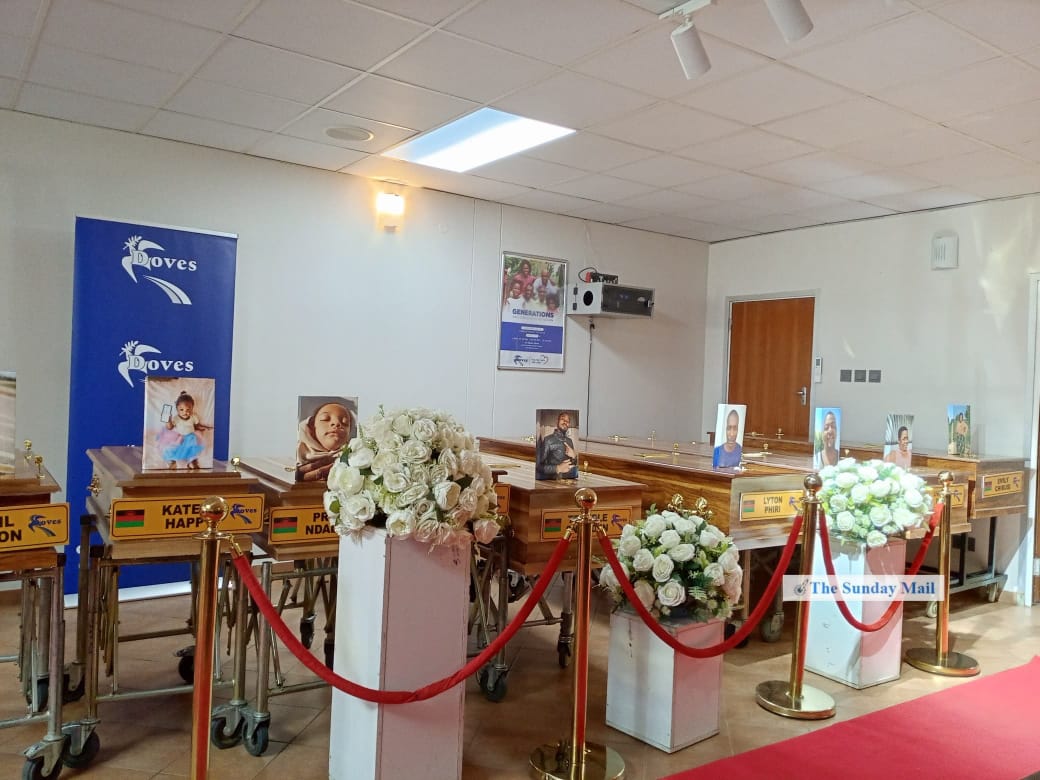
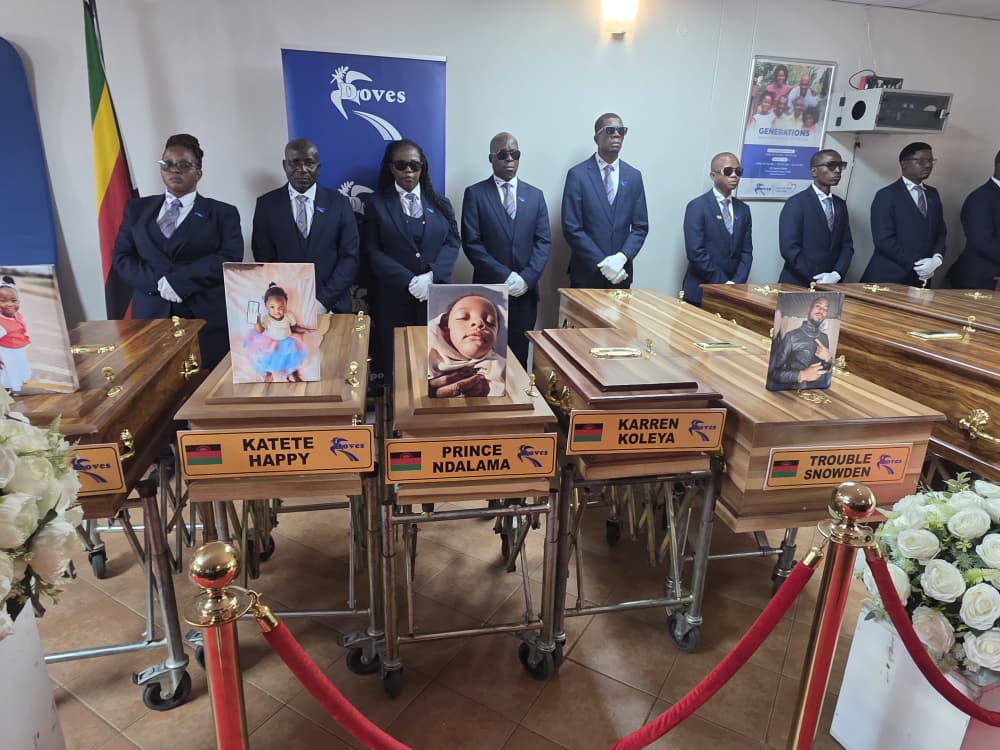
Zimbabwe yesterday joined Malawi in mourning as Local Government and Public Works Minister Daniel Garwe presided over the repatriation of 17 Malawian nationals who died in the recent DNC Coaches road accident along the Harare–Nyamapanda Highway in Suswe, Mudzi District.

The tragic crash, which occurred on 5 May 2026, involved a Malawi-bound bus carrying 63 passengers. Eighteen people lost their lives, including 17 Malawian citizens, while several others were injured.

Addressing mourners during the solemn ceremony, Minister Garwe conveyed condolences on behalf of the Government and people of Zimbabwe, describing the accident as a painful loss for the entire Southern African region.
“It is with profound sorrow that we gather here today for the repatriation of remains of our dear brothers and sisters from the Republic of Malawi who tragically lost their lives in the recent road accident along the Harare–Nyamapanda Highway,” said Minister Garwe.

He commended President Emmerson Mnangagwa for swiftly declaring the incident a State of Disaster, a move he said enabled authorities to respond quickly and effectively.

“His Excellency’s decisive declaration of the accident as a State of Disaster allowed Government Ministries, Departments and Agencies to swiftly mobilise resources and coordinate an effective emergency response in a timely manner,” he said.

Minister Garwe said local civil protection structures immediately activated emergency measures following the crash, with victims being transported to Mudzi and Mutoko district hospital mortuaries, while survivors received urgent medical treatment.

He highlighted the longstanding historical and cultural relationship between Zimbabwe and Malawi, saying the tragedy had deeply affected both nations.
“This tragic incident reminds us of the enduring bonds of brotherhood, solidarity and shared history that exist between the people of Zimbabwe and Malawi. Your pain is our pain, and your loss is a loss to the entire region,” he said.

The minister also acknowledged the efforts of various Government ministries, emergency teams and frontline responders who assisted in handling the victims, supporting survivors and facilitating the repatriation process.

“As we bid farewell to the departed souls today, may we continue to strengthen regional cooperation in disaster preparedness, emergency response and road safety in order to prevent similar tragedies in the future,” Minister Garwe added.


Continue Reading
Click to comment

Leave a Reply

Your email address will not be published. Required fields are marked *

Current Affairs

SDA Bolsters ZPCS Rehabilitation Efforts

Published

on

By Everisto Zhuwao

The Seventh-day Adventist (SDA) Church has strengthened the rehabilitation efforts of the Zimbabwe Prisons and Correctional Service (ZPCS) by donating essential materials and awarding certificates to inmates who completed spiritual studies.

The handover ceremony and graduation were held at Mutare Remand Prison last Friday, highlighting the growing role of religious organisations in transforming the lives of offenders.

The SDA Church donated a cabin office to support the station’s chaplaincy services. In addition, the church provided 100 metres of orange fabric to be used in sewing inmates’ uniforms.

Beyond the material donations, the event also celebrated academic achievement, as male and female inmates graduated after successfully completing the SDA Voice of Prophecy theological course. The programme focuses on spiritual growth and moral development.

Mutare Remand Prison Officer-in-Charge, Superintendent Wallace Mbanje, commended the church for its continued support.

“ZPCS and the SDA Church’s collaborative efforts towards the rehabilitation and skills development of inmates have been yielding positive results across the country. As a station, we are grateful for the gifts you have brought for us,” said Superintendent Mbanje.

Church representatives said their support extends beyond prison walls, pledging to assist former inmates with income-generating projects upon their release to help reduce the chances of reoffending.

Spiritual rehabilitation is increasingly being recognised as a key pillar of the ZPCS rehabilitation strategy. Authorities believe that by addressing both the mind and spirit, inmates can successfully reintegrate into society as productive citizens.

Continue Reading

Current Affairs

POTRAZ Q4 Report Highlights NetOne’s Strong Digital Growth and Rural Connectivity Expansion

Published

on

Engineer Raphael Mushanawani

The latest Fourth Quarter 2025 Postal and Telecommunications Sector Performance Report released by the Postal and Telecommunications Regulatory Authority of Zimbabwe (POTRAZ) has highlighted NetOne⁠’s growing role in driving Zimbabwe’s digital transformation through infrastructure expansion, rising data usage and improved rural connectivity.

According to the report, NetOne recorded significant growth in mobile internet and data traffic during the final quarter of 2025, with usage increasing by 18.50 percent from 25.29 billion megabytes in the third quarter to 29.97 billion megabytes in Q4.

The growth also resulted in a 1.14 percentage point increase in the operator’s mobile internet and data traffic market share, strengthening NetOne’s competitiveness in the country’s fast-growing digital communications sector.

The report further noted growth in NetOne’s active subscriber base, which rose from 4,062,894 subscribers to 4,101,492 during the quarter, reflecting continued customer confidence in the operator’s services and digital products.

POTRAZ acknowledged the company’s continued investment in network infrastructure, particularly in expanding broadband access across the country.

“NetOne continued to make strides particularly in 3G and LTE deployments, to expand its network coverage,” the report stated.

During the quarter, the operator added 89 LTE base stations while increasing its 5G sites from 21 to 26 as part of efforts to improve connectivity and digital inclusion.

The report also identified NetOne as a major contributor to rural telecommunications infrastructure, revealing that the operator now controls 46.14 percent of Zimbabwe’s rural base stations.

The expansion of rural connectivity is helping bridge the digital divide by improving access to online learning, financial services, healthcare information and digital commerce opportunities in underserved communities.

Under the leadership of Group Chief Executive Officer Raphael Mushanawani, the company has continued repositioning itself as a modern digital services provider focused on innovation, accountability and customer-centred solutions.

Commenting on the latest sector performance results, Engineer Mushanawani said the company remained committed to inclusive national development through digital connectivity.

“These results affirm our commitment to connecting communities, empowering businesses and accelerating Zimbabwe’s digital transformation through resilient and accessible network infrastructure,” said Engineer Mushanawani.

NetOne has also expanded customer-focused services through affordable broadband packages, improved OneMoney solutions and data bundles designed for students, entrepreneurs and rural communities.

Beyond telecommunications services, the company has intensified its corporate social responsibility programmes, including borehole drilling initiatives, support for schools through digital learning tools and partnerships with healthcare institutions on community wellness programmes.

The operator’s commitment to diversity was also reflected in its workforce, with women accounting for 436 out of its 1,045 employees.

In recognition of his leadership and contribution to Zimbabwe’s telecommunications industry, Engineer Mushanawani was recently inducted into the prestigious Business Leaders Hall of Fame 2026.

Continue Reading

Current Affairs

Minister Masuka Defends BIPPA Farm Returns, Says Land Reform Remains Irreversible

Published

on

The Government has dismissed claims that the return of 67 farms protected under Bilateral Investment Promotion and Protection Agreements (BIPPA) marks a reversal of Zimbabwe’s land reform programme, with authorities stressing that the move is part of resolving legal obligations and strengthening the country’s land tenure framework.

Acting Leader of Government Business in Parliament, Minister of Agriculture, Mechanization and water resource Dr Anxious Masuka, on Wednesday directly addressed the misconception, explaining that the return of BIPPA properties is a narrowly defined legal and constitutional obligation not a policy shift back to the pre-2000 era.

“The BIPPA process is about settling outstanding legal claims and compensating investments protected by bilateral treaties, it does not open the floodgates for the return of all former white farms, the land reform programme remains irreversible,” he said.

The Minister confirmed that while 67 properties covered under BIPPA will be returned to their previous owners, this represents a fraction of the total land under the programme and is being done strictly within the framework of Zimbabwean law and international investment obligations.

The development comes at a time when the government is simultaneously granting secure tenure to a staggering 450,000 black farmers under President Emmerson Mnangagwa’s administration.

According to the Minister, in terms of the Constitution Sections 289, 293, and 295, the government will provide permits, leases, and offer letters to 360,000 A1 farmers 23,500 A2 farmers Over 70,000 old resettlement farmers.

In addition to these, the government is correcting historical and administrative errors that have fuelled the reversal myth. Authorities are returning 840 farms that were wrongly gazetted but which rightfully belong to black farmers.

In another move that reinforces the government’s commitment to indigenous ownership, some 10,000 Matenganyika farms whose beneficiaries were given leases before 1980 will now finally receive title deeds.

For the 409 former farm owners who have remained on their properties due to long-standing peaceful co-existence with new owners, the government has crafted a specific solution that stops short of outright reversal. These individuals will now be allowed to purchase the properties they occupy.

Continue Reading

Trending