Zimbabwe’s gold deliveries increased by 10.1% month-on-month to 5,119.2 kilogrammes in August 2026, highlighting the continued expansion of the country’s gold mining sector.
Data from Fidelity Gold Refinery (FGR) shows that August deliveries rose from 4,649.3kg recorded in July. The figure was also 20.7% higher than the 4,242.9kg delivered during the same month last year.
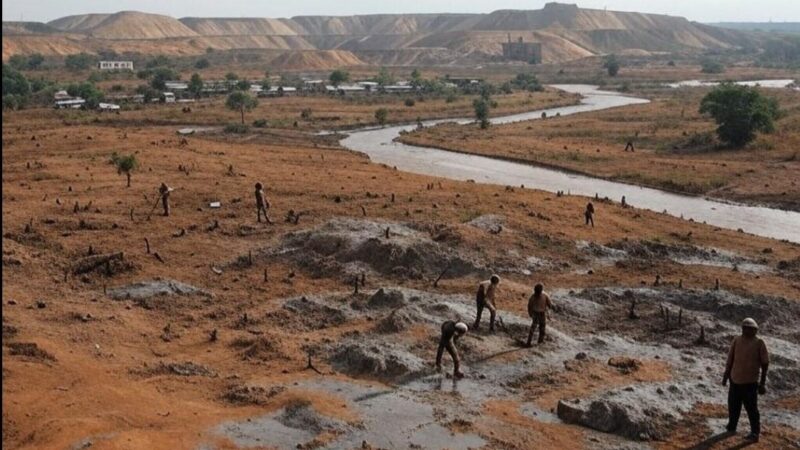
Small-scale miners remained the leading contributors to national gold output, delivering 3,978.4kg during the month. Their contribution accounted for approximately 77.7% of total gold deliveries.
The sector’s August performance represented a 14.9% increase from the 3,460.8kg delivered by small-scale producers in July. It was also 22.4% above the 3,249.9kg recorded in August 2025.
Large-scale mining companies delivered 1,140.7kg in August, a 4% decline from the 1,188.6kg recorded in July. However, their output was still 14.9% higher than the 993kg delivered in August last year.
The figures further underline the critical role played by artisanal and small-scale miners in Zimbabwe’s gold industry. The sector has become the dominant source of national gold deliveries, despite ongoing challenges relating to access to finance, equipment, formal markets and production technology.
The Government has been promoting the formalisation of small-scale mining operations in an effort to improve production, strengthen gold traceability and bring more producers into the official marketing system.
The Zimbabwe Miners Federation has set a target of 45 tonnes of gold from the small-scale mining sector in 2026. The sector’s performance will therefore be central to the country’s efforts to meet its overall annual production target.
Cumulative gold deliveries for the first eight months of the year stood at approximately 31.2 tonnes, placing Zimbabwe more than halfway towards its 55-tonne national target for 2026.
If the August production rate is maintained, annual output could reach about 61.4 tonnes. However, the country will need to sustain strong deliveries during the final four months of the year to achieve or surpass its target.
Zimbabwe requires approximately 23.8 tonnes between September and December, meaning the country must produce an average of about six tonnes per month during that period.
Additional growth is expected from the large-scale mining sector as new and restarting projects progress. Developments such as Caledonia Mining Corporation’s Bilboes project and Namib Minerals’ planned restart of Redwing Mine could contribute to higher output in the coming months.
The August figures provide a positive boost for Zimbabwe’s gold industry. However, achieving the annual target will depend on continued production growth from small-scale miners, improved formalisation and the successful expansion of large-scale mining operations.