📲 Join our WhatsApp Channel for Breaking News!
Follow on WhatsAppMen’s contributions to family life, community development and the economy deserve recognition, appreciation and celebration. Yet the value of men should not be measured solely by their ability to provide financially, remain strong under pressure or fulfil conventional expectations of manhood. Their emotional lives, health and need for support are equally important.
📰 For this and more exclusive stories, read our weekly digital print edition.
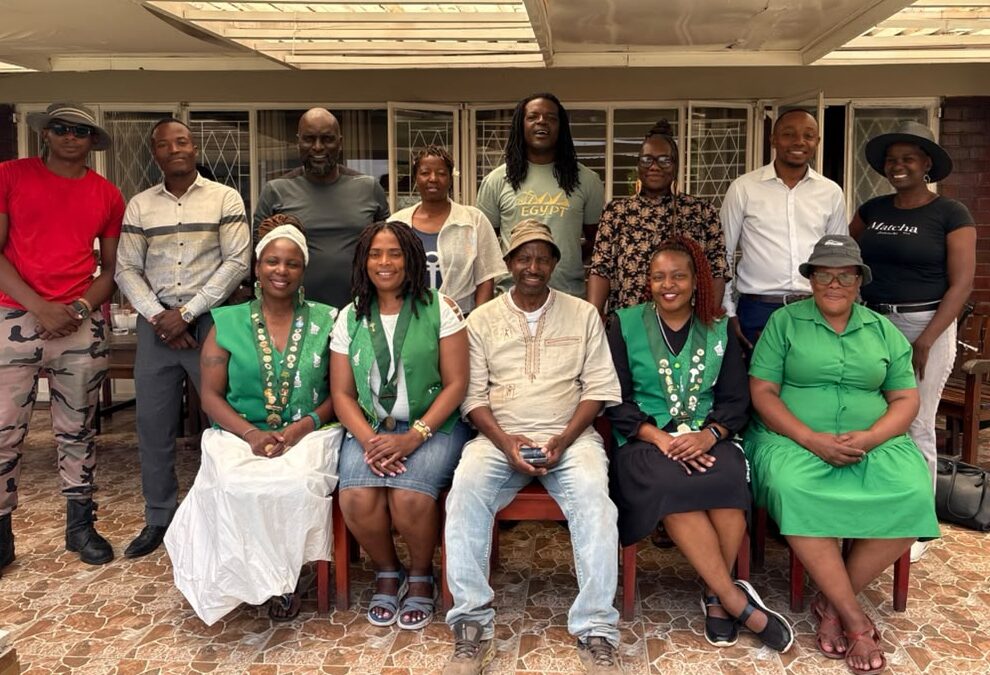
Read E-PaperThis perspective shaped a Men’s Month dialogue organised by AGORA Club Zimbabwe, a women-only organisation, on 7 November 2026, as the participants led by Lawrence Ngororo examined how masculinity is influenced by culture, childhood upbringing, economic hardship and changing household responsibilities.
Held under the theme “Redefining Masculine Resilience in Times of Economic and Environmental Shock,” the meeting brought together seven men and seven women for an interactive discussion facilitated by Chido Musasiwa.
Businessman and seasoned model Edmore Shingi Sakarombe, fitness instructor Marshall Dodo, developer Tendai Chikondo and reggae musician Paul Mwanza, widely known as Junior Bantan, were among the men present and contributed their perspectives to the conversation.
The dialogue challenged the long-standing expectation that men must always be providers, protectors and emotionally resilient figures, even when confronting unemployment, financial strain or personal difficulties.
Participants explored whether these expectations are inherent characteristics of manhood or social roles reinforced through family upbringing, cultural practices and religious interpretations.
The discussion examined how boys may be socialised to suppress emotions, avoid vulnerability and demonstrate strength at all times. Such conditioning, participants observed, can leave some men struggling to communicate distress or seek support in adulthood.
Economic insecurity was identified as a major source of pressure, particularly when men are unable to meet expectations of providing for their households. Participants noted that loss of income may affect confidence and self-worth, while unresolved stress can spill into relationships and domestic disagreements.
The conversation also questioned the assumption that household chores and childcare are exclusively women’s responsibilities. Participants shared examples of families where men take on domestic duties while women earn an income, illustrating how responsibilities can be negotiated according to a household’s circumstances.
Reference was made to a community initiative in rural Mashonaland where men and women reportedly exchanged household roles on Thursdays as a way of challenging conventional gender expectations.
Participants reflected on how childhood chore allocation and differences in rural, urban and socioeconomic backgrounds can influence adults’ understanding of partnership. The dialogue encouraged couples to communicate clearly and distribute responsibilities through mutual agreement rather than rigid gender prescriptions.
Emotional safety was another major theme. Participants discussed the importance of listening without judgment, recognising distress and creating relationships in which both men and women can express their needs.
The meeting also addressed the limits of emotional support, stressing that partners should not be expected to carry the sole responsibility for correcting harmful behaviours rooted in childhood experiences. A pointed statement during the discussion captured this concern: “Women are not workshops for badly raised men,” commented Eunice Kapandura.
The remark accentuates the importance of raising boys with emotional intelligence, respect, accountability and healthy communication skills, rather than placing the burden of behavioural change on women in adulthood.
The dialogue’s focus on masculinity also resonated with the Movember campaign, which highlights men’s physical and mental health during November. The World Health Organization has warned that rigid gender norms can contribute to men engaging in health risks and avoiding medical care, while Movember prioritises mental health and suicide prevention alongside prostate and testicular cancer awareness.
Participants discussed the need for men to recognise stress responses, such as irritability, muscle tension and emotional withdrawal, and to develop healthier ways of managing pressure. They were encouraged to seek appropriate support and to view vulnerability as compatible with responsibility and strength.
The discussion did not suggest that men’s struggles should excuse harmful conduct. Rather, it emphasised that accountability, respect for women’s safety and emotional wellbeing can coexist with compassion and understanding.
AGORA Club Zimbabwe’s initiative offered a platform for women and men to reflect on how healthier expressions of masculinity can be cultivated within families and communities.
The dialogue concluded with a call for continued engagement on men’s mental health, shared domestic responsibilities, childhood socialisation and the pressures associated with traditional provider roles.
The meeting highlighted that redefining masculinity does not diminish men’s contributions. Instead, it broadens recognition of their humanity, affirming that men deserve appreciation, support and access to care while being encouraged to build relationships and communities grounded in mutual respect.
Get instant news updates delivered straight to your WhatsApp.