📲 Join our WhatsApp Channel for Breaking News!
Follow on WhatsAppRising temperatures and unpredictable rainfall patterns have dramatically reshaped Zimbabwe’s climate, turning droughts from rare events into a frequent crisis, now hitting every two to three years instead of once a decade. The impact has been severe, leaving an estimated 2.7 million people in rural areas facing recurring food shortages.
📰 For this and more exclusive stories, read our weekly digital print edition.
Read E-PaperAs the global climate crisis continues to intensify, with southern Africa among the regions most affected, humanitarian efforts in Zimbabwe are evolving. The focus is now shifting from short-term food relief to long-term resilience building.
“We are moving from simply responding to disasters to preventing them before they happen, while strengthening our communities’ ability to withstand future shocks,” explained Thulani Sibanda, the Zimbabwe Red Cross Society’s provincial manager.
This new approach forms part of the Zimbabwe Red Cross Society’s contribution to the Africa Zero Hunger campaign, a continental initiative launched by the International Federation of Red Cross and Red Crescent Societies (IFRC). The campaign seeks to transform how food insecurity is tackled, prioritizing sustainable, community led solutions instead of reactive aid.
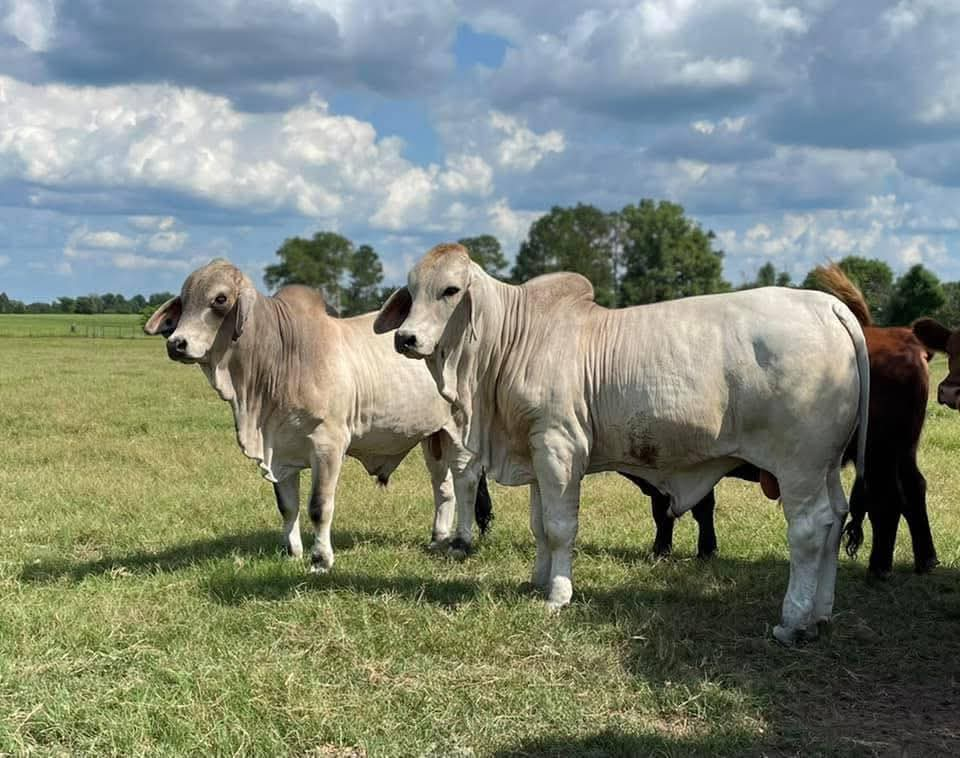
“Our livestock are healthier and fetch better prices at the market,” said one farmer benefiting from the programme. “With the income we earn, we can now pay school fees and prepare for the next farming season. Life feels more secure.”
Zimbabwe’s model focuses on strengthening livelihoods through practical, locally informed actions, from early warning systems and climate smart agriculture to training communities on water conservation and income diversification. The goal is not only to survive the next drought, but to thrive despite it.
Get instant news updates delivered straight to your WhatsApp.