📲 Join our WhatsApp Channel for Breaking News!
Follow on WhatsAppThe government has called for stronger public-private partnerships, affordable healthcare and constructive engagement among medical aid societies and healthcare providers as Cimas Health Group renamed its Van Praagh medical centre in honour of pioneering Zimbabwean doctor Madeline Nyamwanza-Makonese.
📰 For this and more exclusive stories, read our weekly digital print edition.
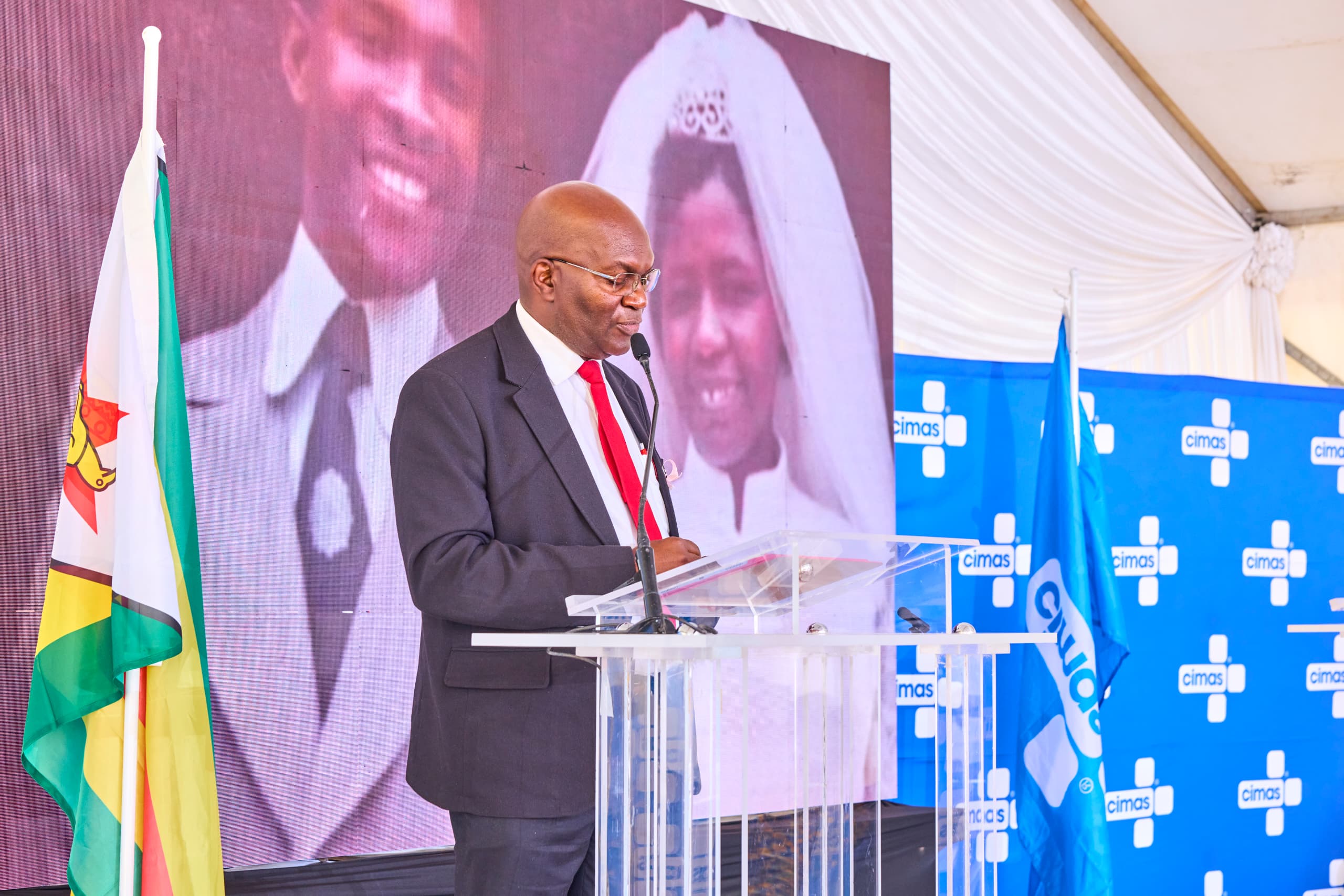
Read E-PaperSpeaking on behalf of the Minister of Health and Child Care at the naming ceremony, Dr Hopwell Mungani Chief Executive Officer of Sally Mugabe Central Hospital emphasised the need for an integrated, equitable and patient-centred healthcare system that improves access to quality services regardless of patients’ financial circumstances.
The ceremony also exhibited the importance of healthcare professionals, investment in specialist training and collaboration between property developers and medical institutions in expanding Zimbabwe’s healthcare infrastructure.
Dr Nyamwanza-Makonese made history in 1970 as Zimbabwe’s first Black female medical doctor and the first African woman to graduate from the medical school, according to the speech delivered on behalf of the Minister. As the only woman in a class of 25, she overcame racial and gender barriers to establish a pioneering career in medicine.
I’m August 2025 the government recognised her contribution through the Robert Gabriel Mugabe Commendation Award for Service in Human Capital Development.
Dr Mungani described the renaming as far above a ceremonial gesture, challenging Cimas to uphold the values associated with the doctor’s life and career.
“The greatest tribute to her legacy will not be the name above this entrance, but the quality of care delivered within these walls. Every patient must encounter professionalism, compassion, dignity and respect,” he remarked.
He linked the recognition to Zimbabwe’s broader development priorities, arguing that a healthy population was fundamental to human capital development, national productivity and sustainable economic growth.
“The government’s National Development Strategy and Vision 2030 ambitions,” he maintained, “requires a healthcare system capable of expanding access while improving affordability, service quality and resilience.”
Dr Mungani called for cooperation between public institutions, private healthcare providers, medical aid societies, health professionals, academics and other stakeholders, noting that no single institution had sufficient resources or expertise to address all the country’s healthcare needs.
He also addressed disagreements within the sector, particularly debates surrounding vertical integration and relations between healthcare providers and medical aid societies.
“Differences over tariffs, payments and settlements must be resolved through dialogue, transparency and fair, sustainable arrangements. The patient must never become the casualty of disputes between institutions that should be working together,” he stressed.
Dr Mungani added that the advancement of universal health coverage and reforms towards national health insurance required evidence-informed decisions and participation from across the healthcare sector.
Partnerships with private institutions such as Cimas could help expand service delivery, strengthen health financing, improve diagnostic services and mobilise investment, while the government remains responsible for policy direction, regulation and creating an enabling environment.
Cimas chief executive officer Vuli Ndlovu reinforced the affordability argument, warning that rising healthcare costs were outpacing members’ incomes and threatening the sustainability of medical aid.
“For the current year to date, our claims ratio has reached 87 percent, against a sustainable benchmark of 75 to 80 percent,” Ndlovu revealed.
He explained that the rising proportion of contributions being spent on claims left limited room for provider tariff adjustments while maintaining affordable medical aid contributions.
“If medical aid becomes unaffordable, members leave. When members leave, patients disappear, and so does practice income,” he cautioned, calling for healthcare professionals to address unnecessary tests, consultations, prescriptions and other forms of waste.
Ndlovu urged clinicians to assess interventions according to their benefits to patients rather than the volume of services delivered.
“The question is not, ‘Can I do this?’ but ‘Will this make my patient better?'” he emphasised.
He advocated for value-based healthcare, which measures success through patient outcomes, including effective management of chronic illnesses, fewer complications and reduced hospital admissions.
Ndlovu also highlighted Cimas’ investment in healthcare skills through its health education fund, which he reported had supported 65 beneficiaries, including undergraduate students, medical specialists and specialist nurses.
He noted that the organisation’s workforce had grown from approximately 300 employees to 1,300 over the past decade, with about one-third being clinicians.
“A building does not heal anyone. A doctor, a nurse, a pharmacist or a clinician who is trusted and properly supported does,” he remarked, underscoring the central role of healthcare professionals in delivering quality care.
The centre’s development also demonstrated the contribution of private-sector partnerships to healthcare infrastructure.
Mashonaland Holdings representative Mrs Progress Kamonere Sibanda described the project as a collaboration that brought together property development expertise and Cimas’ healthcare vision.
“As the owner and developer of this property, Mashonaland Holdings is proud to have delivered a purpose-built facility for Cimas, with their input throughout the entire development process,” she stated.
She emphasised that effective property development extended beyond constructing buildings to creating environments that enable institutions to fulfil their purpose and serve communities.
“We believe that great property development is not simply about building structures. It is about creating spaces that enable institutions to fulfil their purpose and also make a lasting difference,” she added.
Sibanda commended the partnership behind the project, expressing confidence that the facility will support healthcare delivery for generations to come.
The naming ceremony brought together healthcare stakeholders and the family of Dr Nyamwanza-Makonese to recognise her contribution to medicine and the importance of maintaining high standards of patient care.
There was a call by the guest speaker for the newly named medical centre to embody the pioneering spirit of the doctor whose legacy it commemorates, while contributing to a more accessible, affordable and responsive healthcare system.
Get instant news updates delivered straight to your WhatsApp.