The India-Africa Christian Chamber of Commerce has praised India for introducing its first hydrogen-powered passenger train, describing the development as a major step toward environmentally friendly transportation and an example that Zimbabwe and other African countries should consider as they modernise their rail networks.
According to the Chamber, the project highlights the role of clean energy technologies in promoting sustainable economic growth while reducing environmental pollution. It urged African governments, particularly those within the Southern African Development Community (SADC), to strengthen partnerships with India to explore the adoption of similar innovations.
“This achievement is more than a success for India; it presents an opportunity for Africa to embrace modern, low-carbon transport solutions. Stronger cooperation between India and African nations can help introduce technologies that support economic development while protecting the environment,” the Chamber said.
India’s hydrogen-powered train initiative is part of the country’s wider programme to modernise its railway infrastructure and reduce greenhouse gas emissions through cleaner energy alternatives.
The newly introduced 10-coach passenger train operates along the 89-kilometre Jind-Sonipat route in Haryana. It is powered by a 1,200-kilowatt hydrogen fuel cell system, making it one of the most powerful hydrogen-powered passenger trains currently in operation.
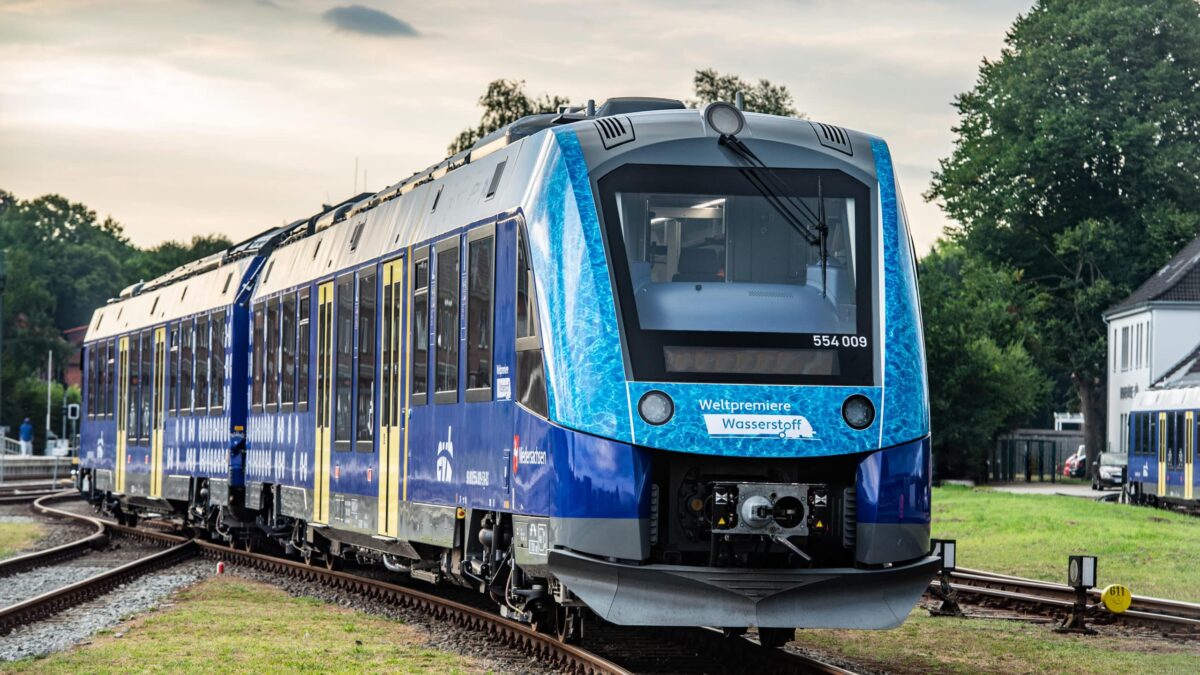
Unlike conventional diesel locomotives, hydrogen fuel cell trains generate electricity through a chemical reaction between hydrogen and oxygen. The only by-products are water and steam, making the technology one of the cleanest options available for railway transport.
Indian Prime Minister Narendra Modi, who officially launched the service, described the project as another milestone in the country’s journey toward self-reliance and sustainable development.
India has also commissioned a large-scale hydrogen storage and refuelling facility in Jind, capable of storing around 3,000 kilograms of hydrogen to support the operation of hydrogen-powered trains as the programme expands.
Although the pilot project required an estimated investment of about US$12 million more than a traditional rail system Indian railway authorities expect costs to decrease as hydrogen technology becomes more widely adopted and production scales up.
With this milestone, India joins countries such as Germany, Japan, China and the United States in advancing hydrogen-powered railway technology.
The India-Africa Christian Chamber of Commerce said Africa should seize the opportunity to engage with emerging green technologies rather than waiting for them to become standard elsewhere.
The Chamber believes collaboration between African governments, private investors and Indian technology firms could accelerate the introduction of hydrogen-powered rail systems across the continent. Such investments, it said, would contribute to cleaner transportation, reduce reliance on imported fossil fuels and strengthen Africa’s role in the global transition to a green economy.
It added that as SADC continues to prioritise regional connectivity and efficient transport corridors, hydrogen-powered rail presents a long-term opportunity to support both economic growth and environmental sustainability for future generations.