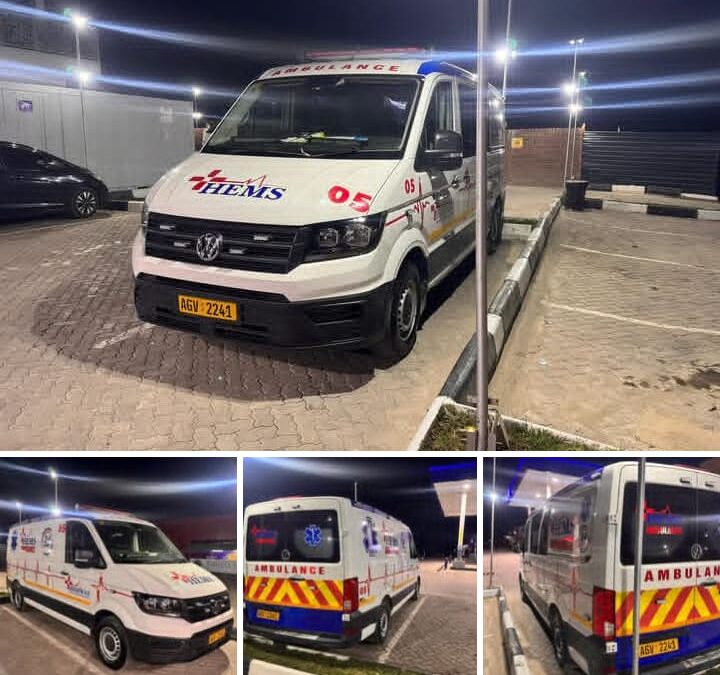
The HEMS Guide: Steps To Take When You Witness or Get Involved In An Accident
What to do while waiting for the ambulance:
If you are a bystander or involved in the accident and able to help, you can assist the emergency operators by doing a mini “size-up” yourself:
-
Stay safe: Do not put yourself in danger or walk into oncoming traffic.
-
Call 08080630: Give them the exact location, the number of vehicles involved, and an estimate of how many people are hurt.
-
Do not move victims: Unless there is an immediate threat of fire or explosion, leave the victims in place to prevent worsening potential spinal injuries.
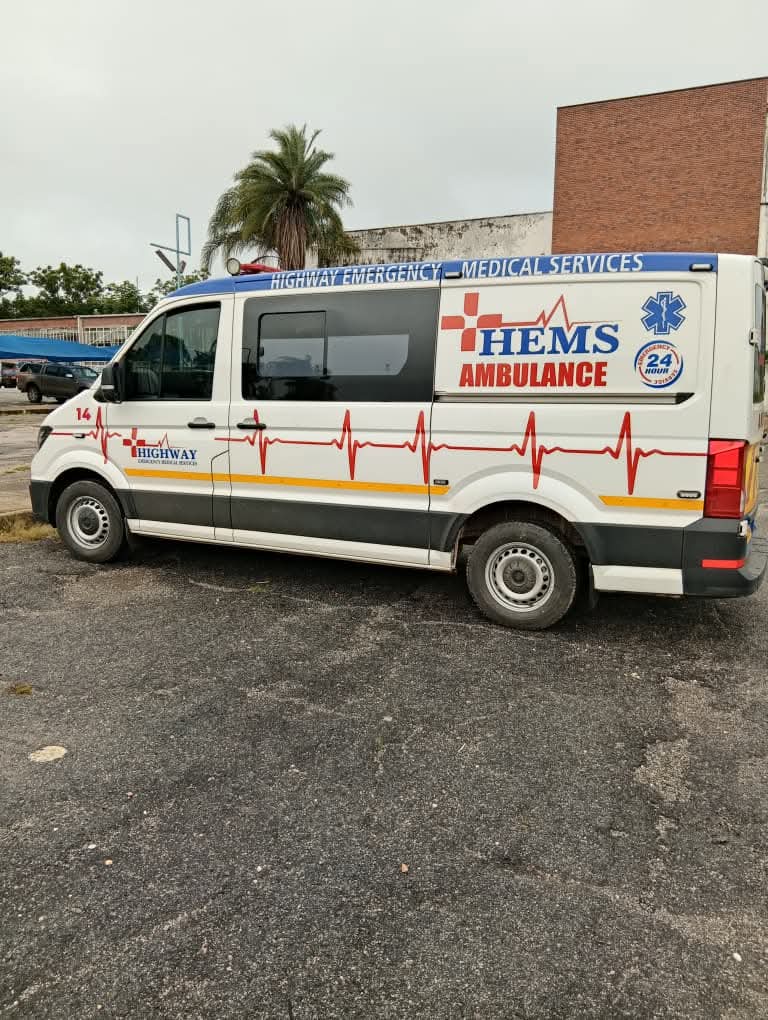
Here is an elaboration of the two crucial stages of emergency medical response, tailored to how services like Highway Emergency Medical Services operate when arriving at a crash scene.
1. Scene Size-Up
Scene Size-Up is the initial assessment of the crash site. Before paramedics can treat any victims, they must ensure the environment is safe and understand the scope of the incident. They evaluate three main components:
-
Safety First: Paramedics assess the scene for immediate hazards to themselves, the victims, and bystanders. This includes looking for downed power lines, leaking fuel, unstable vehicles, fire, or oncoming traffic. They will secure the area (using cones, flares, or ambulance positioning) before stepping out.
-
Mechanism of Injury (MOI): They analyse how the accident happened. For example, a high-speed head-on collision suggests different internal injuries than a low-speed fender bender. This helps them anticipate what kind of trauma the victims might have suffered.
-
Resource Assessment: They quickly determine how many vehicles and victims are involved. If the number of victims exceeds what a single ambulance can handle, they immediately call for backup, specialised rescue tools (like the “jaws of life”), or air medical transport.
2. Triage
When there are multiple victims, paramedics use a process called Triage (from the French word meaning “to sort”). Because resources are limited in the first few minutes, they cannot treat everyone at once. They categorise patients based on the severity of their injuries to maximise the number of lives saved.
Most emergency services use a colour-coded tag system during triage:
| Color Tag | Status | Meaning / Action |
| Red (Immediate) | Critical | Life-threatening injuries, but the victim has a high chance of survival if treated immediately (e.g., severe airway blockage, massive external bleeding). They are treated and transported first. |
| Yellow (Delayed) | Urgent | Serious injuries that require medical attention but are not immediately life-threatening (e.g., stable bone fractures, large lacerations without severe bleeding). They can wait a short period while Red cases are handled. |
| Green (Minor) | “Walking Wounded” | Minor injuries (e.g., minor cuts, scrapes, minor sprains). These victims can walk and talk, and their treatment can be delayed significantly. |
| Black (Expectant/Deceased) | Fatal | The victim has unfortunately succumbed to their injuries or has injuries so severe that survival is unlikely even with maximum care. Resources are not diverted to them while viable lives can be saved. |