📲 Join our WhatsApp Channel for Breaking News!
Follow on WhatsAppby William Chikowero
📰 For this and more exclusive stories, read our weekly digital print edition.
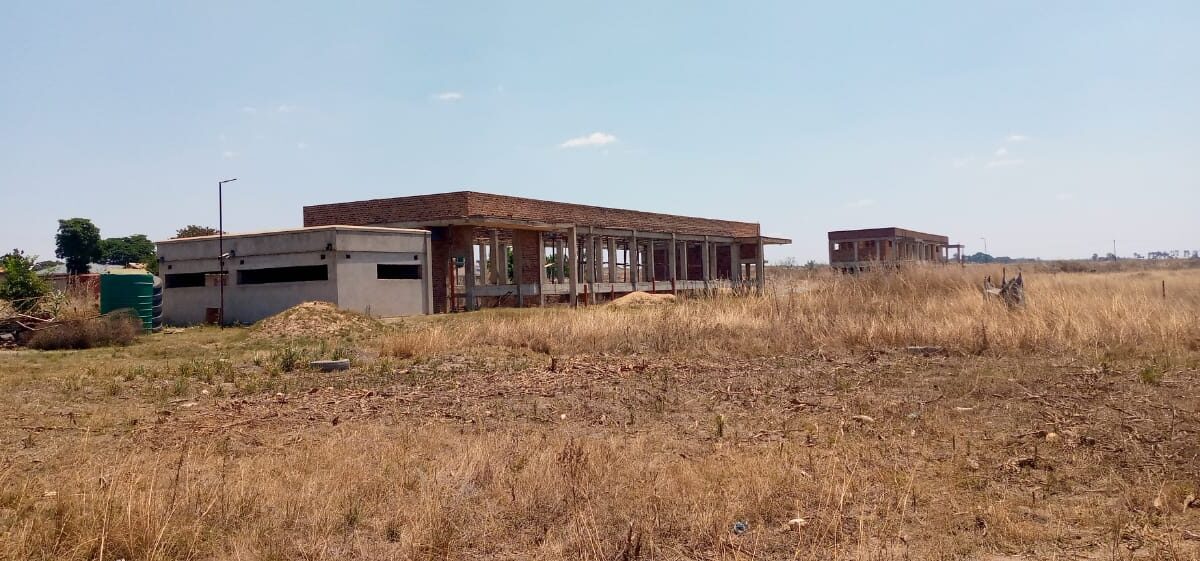
Read E-PaperConcerns are mounting over the construction of buildings believed to be part of Lifemark School in Sally Mugabe Phase One, Goromonzi District, amid fears that the development could expose learners to flooding risks and threaten the surrounding ecosystem.
The construction, reportedly being undertaken by Batsirai Dzenga, has raised questions about the suitability of the site, which residents allege is close to a river and experiences recurrent flooding during the rainy season.
The controversy has placed the spotlight on the Ministry of Local Government and Public Works, the Environmental Management Agency (EMA) and the relevant local authority over their oversight of land-use planning, environmental compliance and construction approvals.
Seeking official intervention, Obvious Mutizwa, president of Students for Economic Development, reportedly submitted a formal letter to the Minister of Local Government and Public Works on 18 June 2026, followed by another to the Director-General of EMA on 22 September 2026.
Mutizwa said the development raised serious questions about the protection of the constitutional right to education and compliance with environmental legislation.
“As young academics envision a better Zimbabwe for all, embracing the right to education for all in the Constitution, the Environmental Management Act \[Chapter 20:27\] has been grossly breached,” Mutizwa asserted.
However, the alleged environmental breach and the status of the construction approvals could not be independently established from the information available.
Residents have also raised concerns about the site’s apparent vulnerability to flooding. One Sally Mugabe resident said water regularly accumulates at the location during the rainy season, raising fears about the safety of future learners and the structural suitability of the development.
The proximity of the buildings to a river has intensified calls for the authorities to establish whether the site falls within a wetland, a designated flood-risk zone or another environmentally sensitive area requiring special assessment and approval.
Beyond the environmental concerns, questions remain about whether the development underwent the necessary ecological assessments, planning procedures and engineering inspections before construction commenced.
Authorities are also expected to clarify whether the developer obtained the relevant development permits and environmental authorisation, where legally required, and whether the approved building plans comply with applicable construction standards and public safety requirements.
The identities of the professionals responsible for designing, supervising and certifying the works, as well as details of the approvals issued by the relevant authorities, also require clarification.
The matter now calls for a transparent response from the responsible government departments and regulatory agencies, including confirmation of whether an inspection has been conducted and what measures, if any, will be taken if violations are established.
With learners’ safety and environmental protection at stake, the central question is whether the relevant authorities exercised adequate due diligence before the project proceeded or whether regulatory intervention will come only after a preventable disaster.
Dzenga’s response, together with official comment from EMA, the Ministry of Local Government and Public Works, and the relevant local authority, remains necessary to establish the facts surrounding the development.
Get instant news updates delivered straight to your WhatsApp.