📲 Join our WhatsApp Channel for Breaking News!
Follow on WhatsApp
📰 For this and more exclusive stories, read our weekly digital print edition.
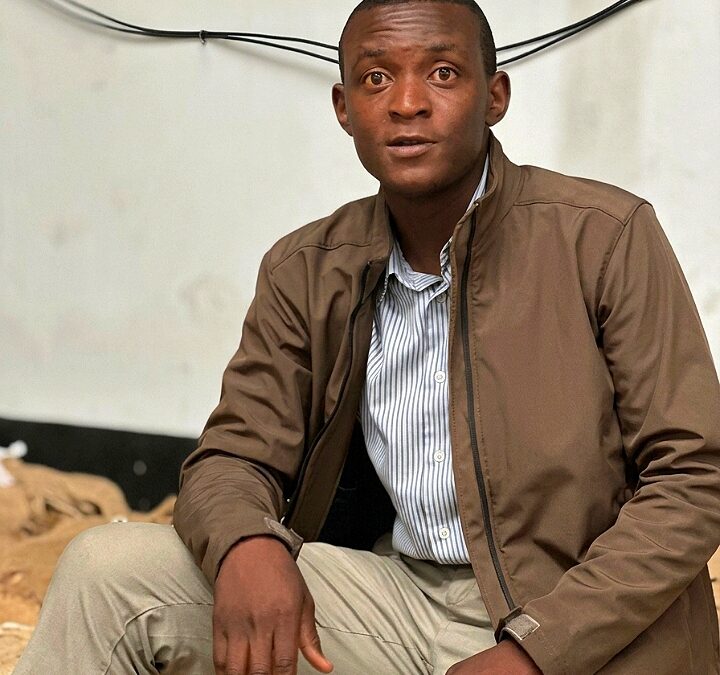
Read E-PaperA proposed crocodile-inspired skyscraper could offer a new vision for Zimbabwe’s meetings, incentives, conferences and exhibitions (MICE) tourism sector, with young architectural designer Mufaro S Zhou imagining a multifunctional development for either Kariba or Victoria Falls.
The proposed Garwe Tower combines a luxury hotel, international conference centre, restaurants, a panoramic viewing deck, a cultural museum and a presidential legacy library in one ambitious tourism complex.
The concept seeks to position a major tourist destination as a place for leisure and sightseeing, envisioning a facility capable of attracting international conferences, business delegations, investors and cultural events.
Zimbabwe has continued to promote tourism as a contributor to economic growth, while its established attractions offer opportunities to connect leisure travel with business events. Zhou’s proposal explores how distinctive architecture and integrated hospitality facilities could strengthen that offering.
Kariba and Victoria Falls are the two locations under consideration in the concept. Kariba’s lakeside setting provides opportunities to develop tourism around water-based activities, wildlife and nature, while Victoria Falls offers an established international tourism profile built around the iconic waterfall and surrounding adventure and hospitality experiences.

A major conference facility could potentially complement these existing attractions by bringing business visitors into the destinations and encouraging them to combine meetings with leisure activities.
The Garwe Tower’s proposed international conference centre would be supported by hotel accommodation, dining facilities and a viewing deck intended to offer visitors panoramic views of the surrounding landscape.
The combination could create opportunities for conference organisers, accommodation providers, transport operators, tour guides, restaurants and other tourism businesses. However, the commercial viability of such a development would depend on demonstrated demand, suitable infrastructure, investment commitments and the ability to attract events throughout the year.
Zhou’s design takes its inspiration from the crocodile, translating its distinctive physical features into the building’s architecture. Overlapping, scale-like panels would form the exterior, while the jaws would inspire the entrance and skybridge. The crocodile’s ridged back and fins would define the tower’s structural spine.
The designer presents the concept as an expression of Zimbabwean identity rather than an imitation of international architectural landmarks. By drawing on local wildlife and symbolism, he hopes the proposed structure would become a recognisable feature of the country’s tourism landscape.
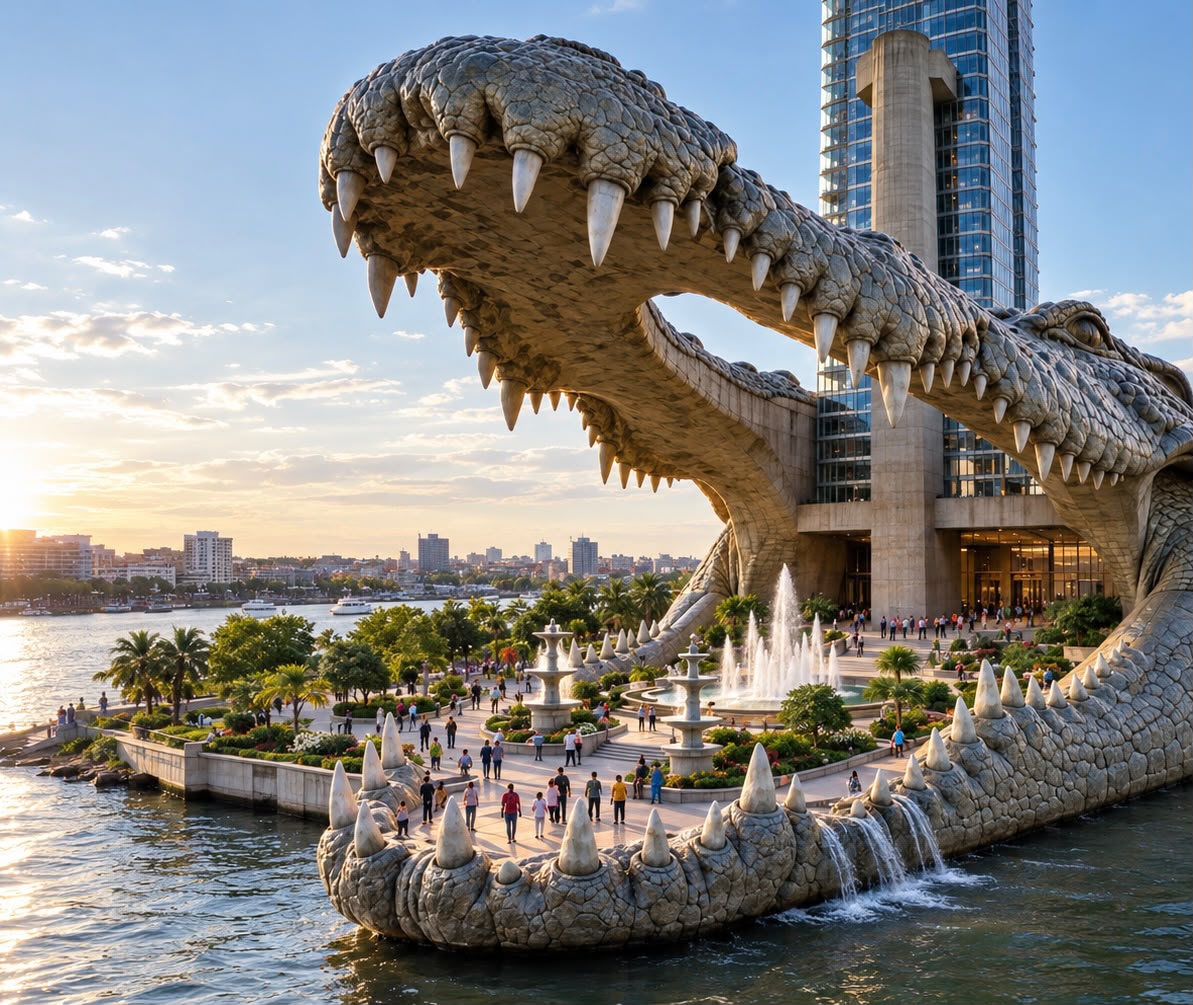
The development also envisages a crocodile cultural museum, which could provide opportunities for environmental education and interpretation of the animal’s place in Zimbabwe’s natural heritage. A presidential legacy library is another proposed component, intended to document the country’s modern history.
For the tourism industry, these facilities could add educational and cultural experiences to the conventional conference and hotel offering, provided their programming appeals to visitors and is developed with appropriate historical and conservation expertise.
Youth employment and local enterprise development are also central to Zhou’s vision. He projects that the project could generate more than 5,000 jobs, potentially spanning architecture, engineering, construction, manufacturing, hospitality and tourism operations.
He further proposes that Zimbabwean companies manufacture components such as steel, glass and the tower’s scale-inspired panels, allowing domestic businesses to participate in the supply chain.
See
The proposed conservation component would see a percentage of revenue directed towards crocodile protection and the Zambezi River ecosystem, with ZimParks identified as a potential partner. Such a commitment could strengthen the project’s environmental credentials if supported by transparent revenue arrangements, conservation targets and independent oversight.
Zhou traces his interest in architecture to the age of nine, when he began drawing buildings and imagining structures that could transform the built environment. He says he was encouraged to pursue his ambitions in Zimbabwe by the country’s emphasis on investment and development.
He also expressed appreciation to President Emmerson Mnangagwa, whose nickname, Garwe, inspired the tower’s name, and acknowledged Youth Empowerment, Development and Vocational Training Minister Tinotenda Machakaire for supporting young people’s talent.
The designer is submitting the concept to relevant government offices, tourism authorities, ZimParks and potential investors for consideration.
Nevertheless, the proposed development has not yet been confirmed as an approved investment. Its advancement would require detailed feasibility studies covering construction costs, financing, market demand, transport and utility infrastructure, environmental impacts, land-use requirements and the suitability of either location.
For a conference tourism project of this scale, the ability to secure a regular programme of regional and international events would be as important as the building’s architectural appeal. Accessibility, accommodation capacity, service standards and competitive operating costs would also influence its prospects.
The Garwe Tower remains a proposal, but it highlights the potential contribution of young Zimbabwean designers to national tourism planning. If developed through professional evaluation, investor partnerships and appropriate environmental safeguards, the concept could open a wider conversation about home-grown innovation, destination competitiveness and the role of youth in shaping Zimbabwe’s tourism infrastructure.
Get instant news updates delivered straight to your WhatsApp.