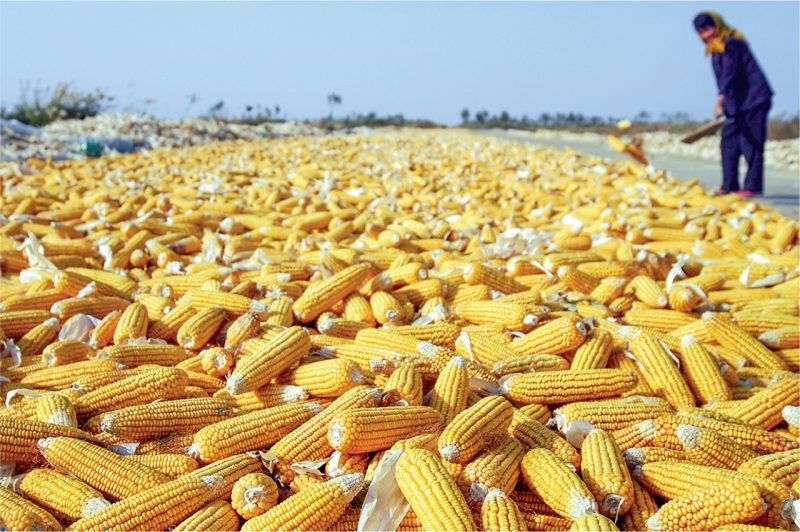
Zimbabwe’s maize import bill fell significantly in April 2026, declining from US$53.2 million in March to US$30.2 million, a drop of about 43%. The figure is the lowest monthly import value recorded since September 2025 and points to improving domestic grain supplies.
The decline follows a difficult period for the country’s agricultural sector. During the 2023/24 El Niño-induced drought, maize production fell by around 60%, leaving Zimbabwe with only 635,000 tonnes of maize against an annual demand of roughly 2.2 million tonnes. To bridge the gap, the country relied heavily on imports, mainly from South Africa.
As a result, Zimbabwe spent about US$603 million on maize imports in 2024, placing significant pressure on foreign currency reserves.
Conditions began improving during the 2024/25 season. By November 2025, maize imports had fallen by 37% compared to the previous year. Total imports for 2025 reached around 1.8 million tonnes, down from crisis levels seen in 2024. This helped reduce the import bill to approximately US$443 million, generating savings of about US$159 million.
The downward trend has continued in 2026. During the first quarter, the value of maize imports dropped to US$128 million, compared to US$198 million during the same period in 2025. Import volumes also declined from 472,000 tonnes to 395,000 tonnes.
The start of the 2025/26 harvest in April has further reduced the need for imported grain as more households and businesses gain access to locally produced maize.
Agriculture Minister Anxious Masuka has projected maize production of 2.35 million tonnes for the 2025/26 season, slightly higher than the 2.29 million tonnes recorded last year. If achieved, output would exceed the country’s estimated annual maize requirement of 2.2 million tonnes.
Zimbabwe also surpassed its planting target, reaching 1.89 million hectares, above the planned 1.8 million hectares. While some areas were affected by dry spells and excessive rainfall, overall production prospects remain positive.
Government policy is also supporting the shift toward self-sufficiency. Since April 1, 2026, grain millers, stock feed manufacturers and food processors have been required to source at least 40% of their grain locally. The requirement will gradually increase until full local sourcing is expected by 2028.
The sharp decline in maize imports reflects more than seasonal factors. It signals improving domestic production and the growing impact of policies aimed at strengthening Zimbabwe’s food security and reducing dependence on imported grain.