📲 Join our WhatsApp Channel for Breaking News!
Follow on WhatsAppChinese Vice Premier Ding Xuexiang has outlined four priorities for strengthening international trade and economic cooperation, as 17 Zimbabwean companies seek buyers and partnerships at the ninth China International Import Expo (CIIE) in Shanghai.
📰 For this and more exclusive stories, read our weekly digital print edition.
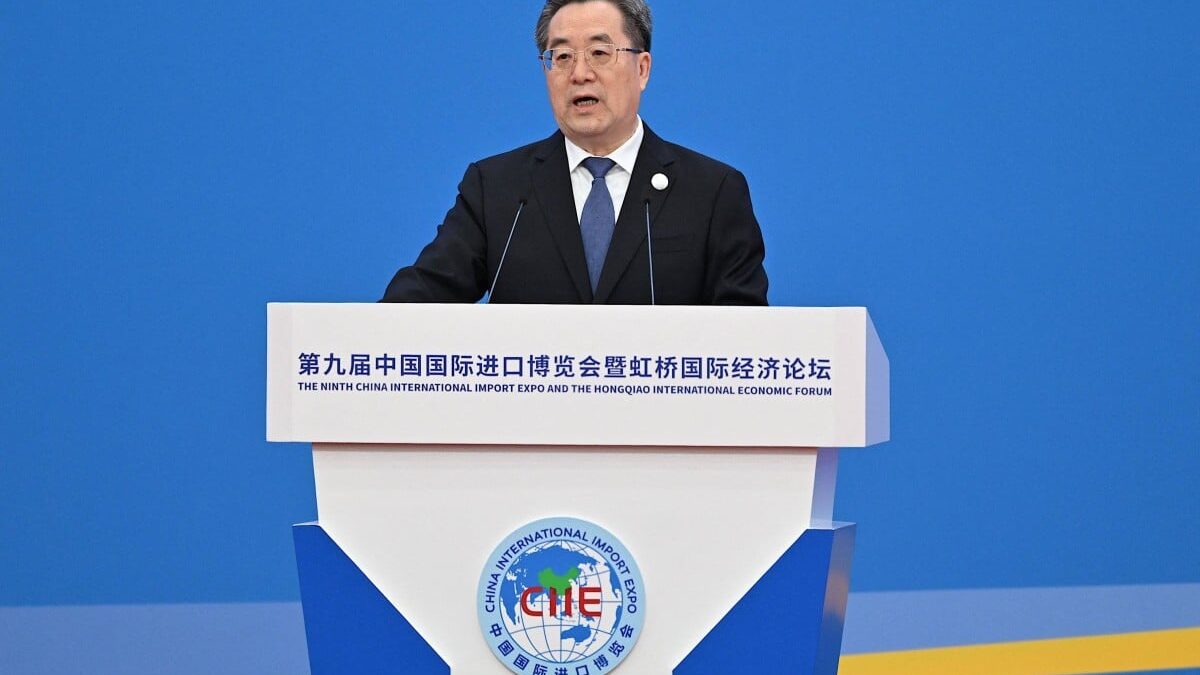
Read E-PaperDelivering a keynote address at the opening ceremony of the CIIE and the Hongqiao International Economic Forum on November 5, Ding emphasised greater openness, investment cooperation, innovation and dialogue as foundations for expanding global commerce.
According to a statement shared by the Chinese Embassy in Zimbabwe, his priorities include sharing market opportunities through greater openness and connectivity, and deepening investment cooperation to promote integration into global industrial and supply chains.
He also called for harnessing innovation to improve supply quality and expand the frontiers of trade, alongside strengthening mutual understanding and trust, resolving differences through consultation and removing trade barriers.

The embassy said China stood ready to work with all nations to advance open cooperation, deliver mutual benefits and build a more balanced and inclusive global economy.
For Zimbabwe, those priorities provide a broader context for an immediate commercial mission: turning access to the Chinese market into export orders, investment partnerships and increased domestic production.
Coordinated by ZimTrade, Zimbabwe’s delegation includes companies in horticulture, manufacturing, handicrafts, leather, construction, tourism and e-commerce. Their participation supports efforts to expand exports beyond the minerals and tobacco that dominate the country’s sales to China.
The exhibition, which runs from November 5 to 10, offers participating firms an opportunity to engage importers, assess demand and identify partners capable of taking Zimbabwean products into Chinese distribution networks.
Ding’s emphasis on openness is particularly relevant to exporters seeking to benefit from China’s expanded zero-tariff arrangements.
His focus on investment and supply chains also points to opportunities beyond individual sales, including partnerships in processing, manufacturing and export logistics.
For Zimbabwean businesses, the practical challenge is to connect those opportunities with products that meet buyers’ requirements on price, quality, quantity and delivery.
The scale of the Shanghai exhibition underlines both the opportunity and the competition.
According to the Shanghai municipal government, this year’s expo brings together participants from 162 countries, regions and international organisations, with 4,142 overseas exhibitors. Canada and Sri Lanka are the guest countries of honour.
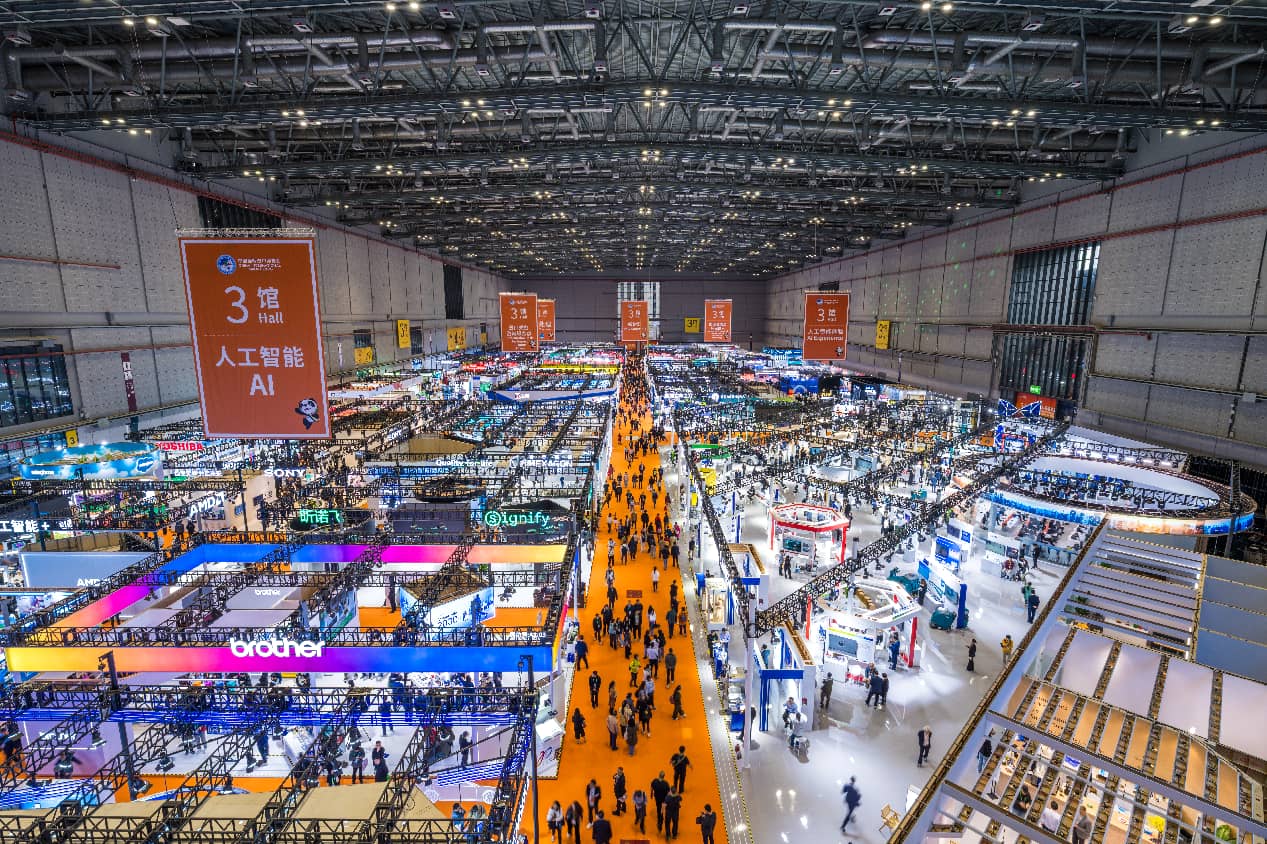
China’s State Council website confirmed that total exhibition space exceeds 440,000 square metres, with more than 300 Fortune Global 500 companies and industry leaders participating.
More than 480 exhibits are scheduled to make their global, Asian or China debuts.
Zimbabwe’s national pavilion, reported to cover approximately 132 square metres, provides a shared platform for local companies to approach buyers and potential business partners.
ZimTrade chief executive Allan Majuru identified value addition as a central objective of the mission.
“Our primary objective is to expand Zimbabwe’s exports to China, particularly value-added products, while strengthening commercial relations between the two countries,” Majuru said.
That ambition carries implications for how Zimbabwe benefits from international trade.
Exporting finished leather goods, packaged foods and branded agricultural products can support domestic activity in processing, design, packaging and marketing. Where exporters source materials and services locally, the benefits can extend to suppliers and smaller enterprises.

Realising those gains, however, requires firms to produce competitively and fulfil contracts consistently. Initial meetings at the expo must lead to workable agreements and dependable deliveries if they are to generate sustained earnings.
The delegation’s participation comes as bilateral commerce expands rapidly.
According to Chinese Embassy figures cited in reports on the exhibition, trade between Zimbabwe and China reached US$5.01 billion in the first nine months of 2026, an increase of 51.6 percent from the corresponding period a year earlier.
Zimbabwe’s tobacco exports to China reportedly reached US$860 million over the same period.
The US$5.01 billion figure covers trade in both directions. It therefore differs from Zimbabwe’s export earnings and does not, on its own, establish the country’s trade balance with China.
Nevertheless, the figures illustrate the relationship’s growing commercial importance. The task for Zimbabwe is to broaden participation so that more sectors and enterprises can secure a foothold in the market.
Horticulture offers a concrete example of the possibilities.
Zimbabwean blueberries entered China for the first time in July, according to reporting citing the Chinese Embassy.
ZimTrade has also identified citrus, macadamia nuts, avocados and blueberries among products with market access pathways and export potential.
The blueberry breakthrough demonstrates how market access negotiations can create commercial openings. Producers must then complement that access with buyers, suitable packaging and reliable transport arrangements.
For fresh produce, those requirements are particularly demanding because value depends heavily on freshness and condition at delivery.
The practical implication is that export ambitions must be supported by effective handling, storage and transport. A competitive production price can lose its advantage if delays or poor temperature management damage a shipment.
Investment cooperation, one of Ding’s stated priorities, could help address such constraints where partnerships bring commercially viable processing facilities, storage capacity or distribution links.
The same principle applies to manufactured products. Export growth becomes more sustainable when businesses can increase output, maintain standards and respond to customer feedback.
For processed foods and consumer goods, the Shanghai exhibition offers a chance to establish whether products suit buyers’ preferences, price expectations and retail systems.
Feedback on packaging, presentation, product sizes and branding can help companies refine their offers before committing to larger production runs.
China’s expanded zero-tariff arrangements, effective from May 1, strengthen the opportunity for qualifying Zimbabwean goods. ZimTrade says these arrangements could improve competitiveness across processed foods, finished leather products, branded agricultural goods and crafts.
Tariff preferences are an important part of the commercial calculation, but transport, insurance, storage and distribution still influence the final price.
Businesses also need to establish the documentation and product requirements applicable to each transaction. Discussions with potential partners must clarify quantities, delivery schedules, payment arrangements and responsibility for costs.
Zimbabwe’s creative industries offer another route to a more diverse export base.
Sculpture and handicrafts can compete through distinctive design, craftsmanship and cultural identity. ZimTrade has highlighted these industries among the opportunities for expanding Zimbabwe’s presence in China.
For producers in these sectors, relationships with specialist retailers, galleries and distributors could help turn interest into regular purchases. Protective packaging, consistent workmanship and clear information about a product’s origin can strengthen its appeal.
These exchanges also give practical meaning to the emphasis on mutual understanding in the embassy’s account of Ding’s address. Sustained business relationships require communication, familiarity with customer expectations and the ability to resolve disagreements constructively.
For smaller enterprises, securing an overseas order can also create financing pressures.
A company may need to purchase materials, increase production and pay workers before receiving the full proceeds of a sale. Export promotion therefore needs to connect market opportunities with firms’ ability to finance and deliver orders.
The lasting value of Zimbabwe’s Shanghai mission will become clearer through completed transactions, repeat purchases and sustained production.
The available reports establish the delegation’s objectives and the opportunities being pursued; they do not establish the value of completed orders secured by the 17 participating companies.
Ding’s call for greater openness and deeper cooperation sets the wider direction. Zimbabwe’s exhibitors now have the task of converting that opening into durable business relationships that expand production, develop skills and generate export earnings at home.
Get instant news updates delivered straight to your WhatsApp.