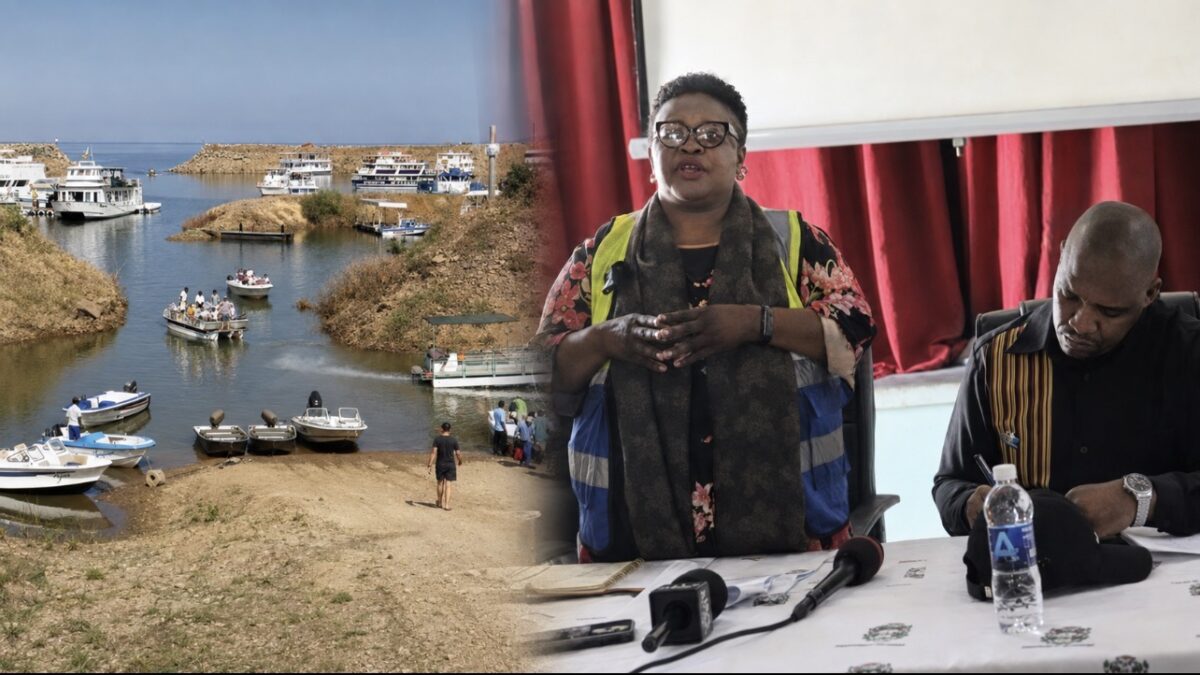
Transport and Infrastructural Development Minister Advocate Felix Mhona is with boat operators in Kariba on Sunday, as the Government intensifies measures to improve maritime safety following the Lake Kariba ferry disaster that has claimed 80 lives.
📰 For this and more exclusive stories, read our weekly digital print edition.
Read E-PaperThe meeting brings together passenger-boat operators, houseboat owners, fishing companies, Government departments and authorities responsible for navigation and safety on Lake Kariba.
Addressing stakeholders, Mhona said the Government would strictly enforce laws governing Zimbabwe’s inland waters and work with all relevant authorities to prevent further loss of life.
“Government is serious about enforcing safety regulations on Lake Kariba and all other inland waters. We will work together with all relevant authorities, boat operators and communities to ensure compliance and save lives,” Mhona said.
“We cannot compromise on vessel seaworthiness, passenger limits, qualified crews or the availability of life jackets and other safety equipment. Every operator has a responsibility to comply with the law because human life must always come first.”
The meeting follows the capsizing of the Rural Infrastructure Development Agency’s Mbuya Nehanda passenger ferry near Long Island on August 11 while travelling from Kariba towards Chalala.
The death toll rose to 100 after recovery teams retrieved additional bodies during ongoing search operations. Seventy-seven people were rescued, while search and recovery operations are continuing.
Authorities said the ferry was certified to carry 90 passengers and five crew members.
However, investigations are examining reports that it may have been overloaded.
Possible navigational errors and failure to heed warnings about worsening weather conditions are also under investigation.
President Emmerson Mnangagwa declared the tragedy a National Disaster, allowing the Government to mobilise additional personnel, equipment and other resources for the emergency response.
Government measures include the deployment of Zimbabwe National Army and Zimbabwe Republic Police sub-aqua teams, continued body-recovery operations, identification of victims, assistance to bereaved families and counselling for survivors.
A technical investigation has also been launched, with a report expected to be presented to Cabinet on Tuesday.
Mhona said authorities would strengthen pre-departure inspections, enforcement of passenger limits, verification of passenger manifests and checks on vessel registration, survey certificates and masters’ certificates of competency.
Boat operators are also expected to provide enough serviceable life jackets, train passengers in their use and comply with weather and navigation warnings issued by the Lake Captain and Inland Waters Control officials.
Under the Inland Waters Shipping Act [Chapter 13:06], authorities may stop and inspect vessels and prevent any boat considered unseaworthy, overloaded, improperly equipped or inadequately crewed from sailing.
The Kariba tragedy, believed to be Zimbabwe’s deadliest inland-water transport disaster, has renewed demands for stronger enforcement and investment in maritime rescue capacity.