📰 For this and more exclusive stories, read our weekly digital print edition.
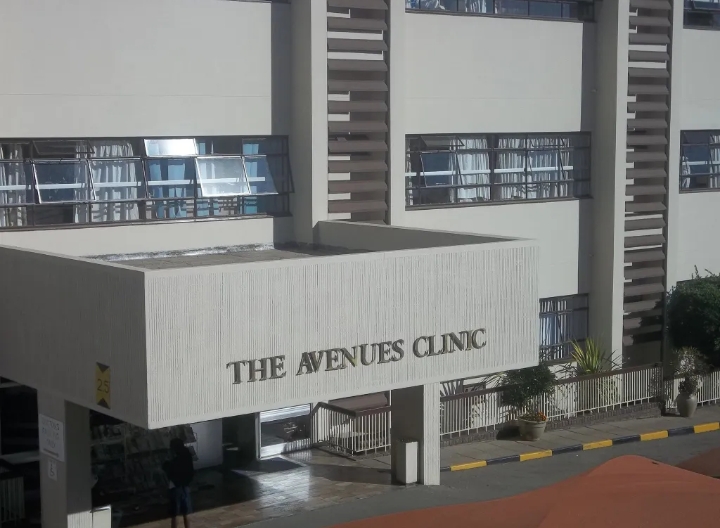
Read E-PaperThe High Court has dismissed, at least for now, a US$520 000 damages claim against The Avenues Clinic, finding that a grieving family never demonstrated negligence on the hospital’s part after a patient fell from his bed and died.
Deputy Judge President Justice Dube granted the clinic’s application for absolution from the instance on 30 September 2026, bringing the plaintiffs’ case to a halt before the hospital had to present any defence. Sheila Nyadundu, her daughter Mutsa and her son Takunda must also cover the clinic’s legal costs.
The family sued Medical Investment (Pvt) Ltd, trading as The Avenues Clinic, over the death of Francis Nyadundu, husband to the first plaintiff and father to the other two. He entered the facility in March 2024 with liver cirrhosis. Relatives told the bench he fell from his bed in the early hours of 10 March 2024 and died of head injuries. A postmortem attributed the death to head trauma and a skull fracture, ruling out natural causes.
Their summons accused the hospital of leaving him unattended, delaying alerts to his doctor and relatives, lacking adequate equipment and staff, and concealing how he died.
Justice Dube accepted that admission created a duty of care and that nursing records showed staff had anticipated a fall, having raised bed rails and given him a sedative for restlessness. Foreseeing a risk, she held, does not by itself prove carelessness or link it to a death.
The decisive gap lay in the absence of testimony from a medical specialist. Nobody explained what monitoring a patient in his condition required, whether half-hourly checks sufficed, or whether the doctor’s instruction to dress the wound was sound. No pathologist testified that the fall, rather than his advanced illnesses, killed him. The judge also rejected the argument that the matter was simple enough for ordinary people to judge unaided, noting that the doctrine of res ipsa loquitur applies sparingly in medical disputes.
The claims by Mutsa and Takunda Nyadundu additionally faltered because they neither pleaded nor proved that the deceased had supported them financially. The allegation of concealment, the judge noted, describes conduct after the death and cannot form a basis for negligence.
Absolution does not bar a fresh action. A. Mufari appeared for the family, while T.W. Nyamakura represented the clinic.