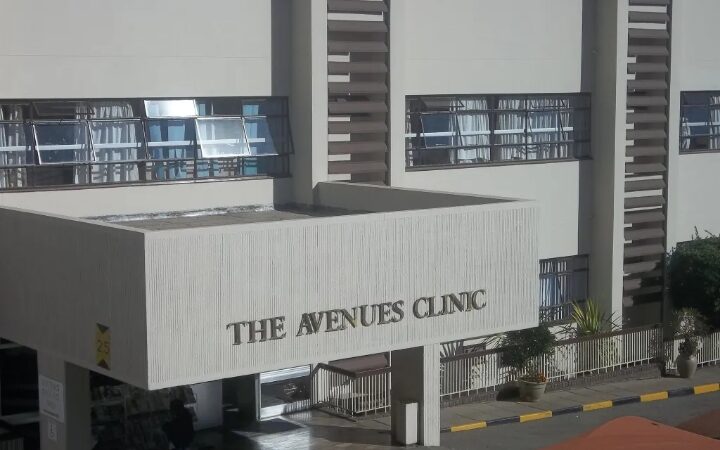
Zimbabwe has reached a major milestone in specialised healthcare after doctors at Parirenyatwa Group of Hospitals successfully carried out the country’s first bone marrow transplant.
📰 For this and more exclusive stories, read our weekly digital print edition.
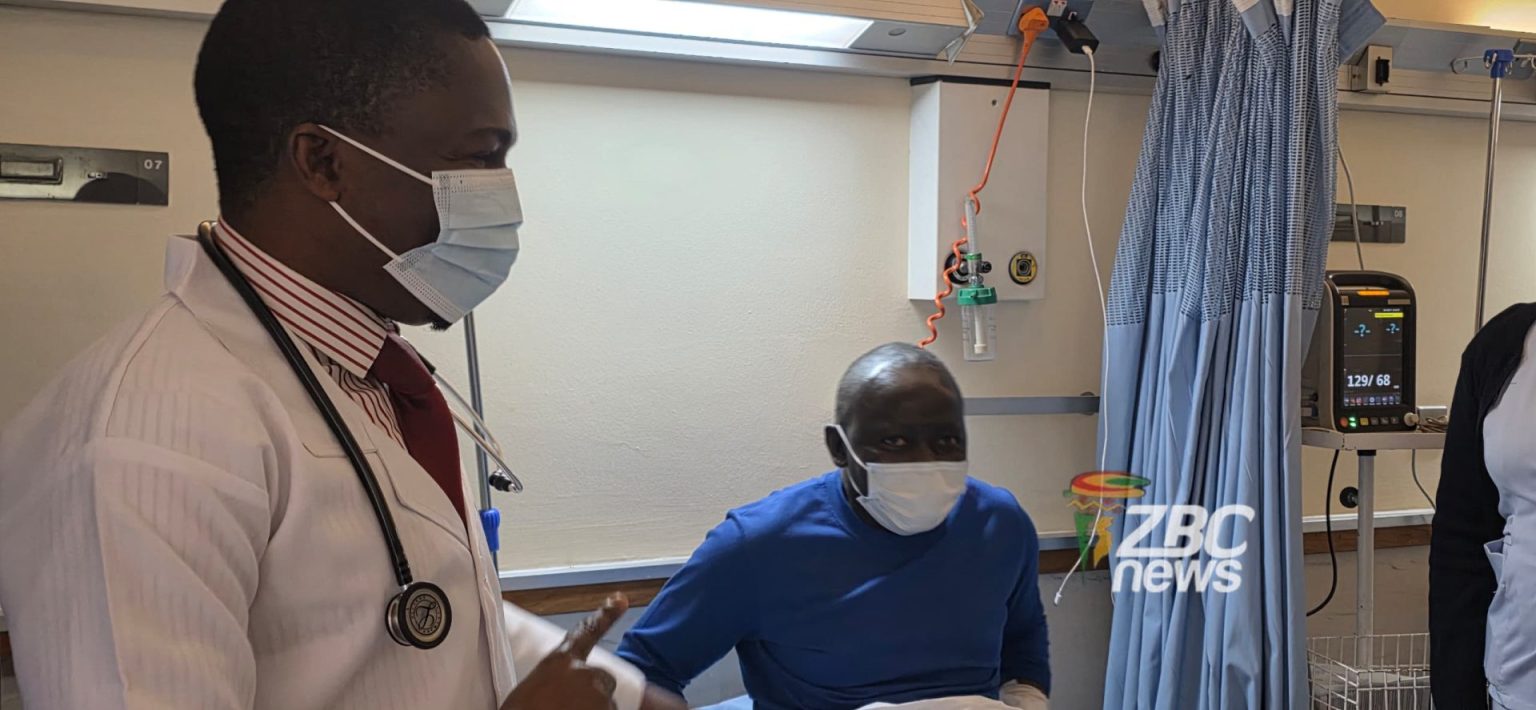
Read E-PaperThe procedure, an autologous stem cell transplant, was performed on 55-year-old Clifford Munemo, a multiple myeloma patient from Marondera. The medical team was led by consultant haematologist Dr Moses Chatambudza.
The achievement is expected to reduce the number of Zimbabweans travelling abroad for specialised cancer treatment while making the procedure more accessible and affordable locally.
Patients requiring bone marrow transplants can reportedly spend between US$23 000 and US$40 000 in India, while treatment in South Africa can cost as much as US$70 000.
For Munemo, the cost of treatment in Zimbabwe was significantly lower than what he would have paid abroad, with his medical insurance, PSMAS, covering almost the entire bill.
“I had not yet calculated the final amount, but it was nowhere near US$23 000 or US$40 000. It was much cheaper,” he said.
Dr Chatambudza said the transplant programme was introduced in response to the financial and emotional burden faced by patients who have to seek treatment outside the country.
He said Government support, combined with the availability of specialised equipment, had made it possible for the procedure to be conducted in Zimbabwe.
Munemo’s health problems began in October 2024 when he developed severe back pain while travelling from Marondera to Harare.
His condition deteriorated rapidly and, upon reaching West End Hospital, he reportedly lost the ability to walk and had to be placed in a wheelchair.
Further medical examinations revealed that he was suffering from multiple myeloma, a cancer affecting plasma cells in the bone marrow.
He was subsequently referred to Dr Chatambudza at Parirenyatwa, where he received specialised treatment.
Following systemic therapy, Munemo’s condition improved and he regained his ability to walk in early 2025.
However, routine examinations in June 2026 showed that the disease had become more aggressive, making a stem cell transplant necessary.
He was admitted to Parirenyatwa on August 5 to begin preparations for the procedure.
After the transplant, Munemo said he was recovering well and expressed gratitude to the medical team.
“I am feeling positive that I am now okay. I don’t know how to thank Dr Chatambudza and his team because even money is not enough,” he said.
The procedure was supported by specialised equipment provided through the National AIDS Council (NAC).
In 2025, NAC donated medical equipment worth almost US$2 million to the Ministry of Health and Child Care for use at Parirenyatwa’s blood services and renal units.
The equipment includes the Cobas e402 analyser, ORTHO VISION analyser and Spectra Optia Apheresis System, which allows medical teams to collect stem cells from a patient’s bloodstream.
Dr Chatambudza said funding and access to appropriate equipment had initially been among the major obstacles to establishing the transplant programme.
He credited NAC’s intervention with helping the hospital overcome the equipment challenge and launch the service.
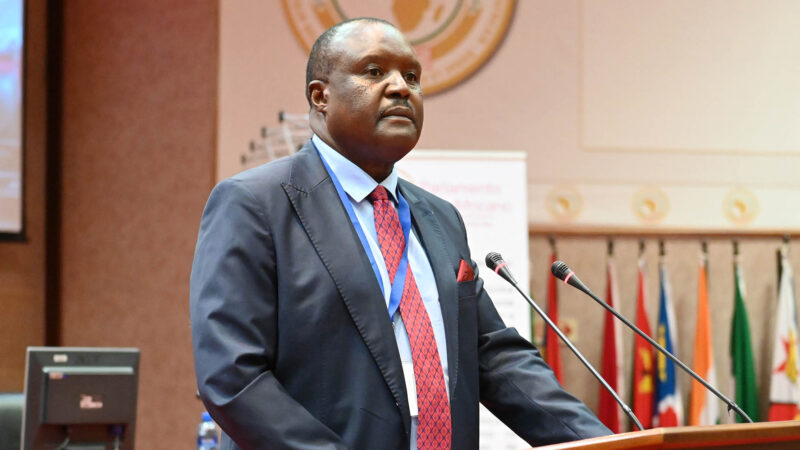
NAC chief executive officer Dr Benard Madzima said supporting specialised medical equipment was part of the organisation’s efforts to strengthen services for HIV-related conditions, non-communicable diseases and cancer.
He said the success at Parirenyatwa demonstrated the potential of the country’s public health system to provide advanced treatment locally.
NAC is also supporting the development of similar medical infrastructure at hospitals in the southern region, including Mpilo Central Hospital and United Bulawayo Hospitals.
Before the transplant, Munemo underwent extensive medical assessments and stem cell mobilisation before receiving high-dose Melphalan chemotherapy.
His previously collected stem cells were then returned to his body to allow the bone marrow to recover and produce healthy blood cells.
He spent 10 days in protective isolation following the procedure and received blood transfusions and preventive treatment as doctors monitored his recovery.
Tests later confirmed that the transplanted stem cells had successfully engrafted and had begun producing healthy blood cells.
Dr Chatambudza said the hospital is targeting about 30 bone marrow transplants over the next year as the programme expands and additional diagnostic equipment is introduced.
The long-term goal is to increase the number of procedures substantially, with the team hoping to perform more than 100 transplants annually by 2030.
The specialised unit will cater for patients with blood cancers such as leukaemia, lymphoma and multiple myeloma, as well as non-cancerous conditions including aplastic anaemia and inherited bone marrow failure disorders.