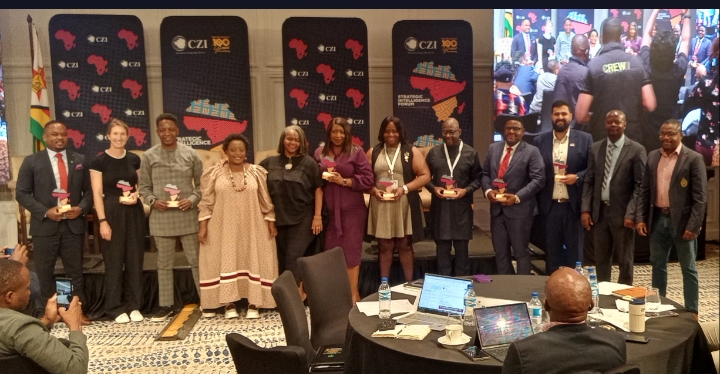
Executives from the beverage, telecommunications, construction, agriculture and financial services sectors told the Confederation of Zimbabwe Industries (CZI) Strategic Intelligence Forum 2026 on 9 October that environmental and social goals can be built into corporate strategy without sidelining profit.
📰 For this and more exclusive stories, read our weekly digital print edition.
Read E-PaperThe leaders spoke during a fireside chat titled “Zimbabwe’s Leading Sustainability Initiatives”, part of the sustainability stream on Day Three of the CZI Annual Business Conference. The discussion covered environmental protection, community development, resource efficiency and responsible investment.
Patricia Murambinda, General Manager of Operations at Delta Corporation, said the beverage maker shapes its approach around the priorities of its international partners, AB InBev and The Coca-Cola Company.
“We try to combine the two and make sure that we satisfy our key partners as a business,” she said. Growth, she added, stays central to Delta’s strategy alongside its sustainability pillars.
Delta produces alcoholic beverages, juices, bottled water and soft drinks in Zimbabwe, and holds regional interests through Chibuku in Zambia and United National Breweries in South Africa.
Jenna Van Niekerk of Cicada Africa said protecting ecosystems and valuing natural capital matter most for companies that depend on natural resources. The company’s interests span agricultural plantations, commercial forestry and industrial solar energy, which tie its environmental duties directly to its operations.
Lovemore Nyatsine of Econet Wireless Zimbabwe described the company’s philosophy as “enlightened self-interest”, rooted in the view that business performance and community wellbeing are linked. Companies, Nyatsine said, must weigh the interests of neighbouring communities and partners, not only their own returns.
“We don’t want to be a giant that’s surrounded by glass,” Nyatsine said, pointing to the need to create shared value.
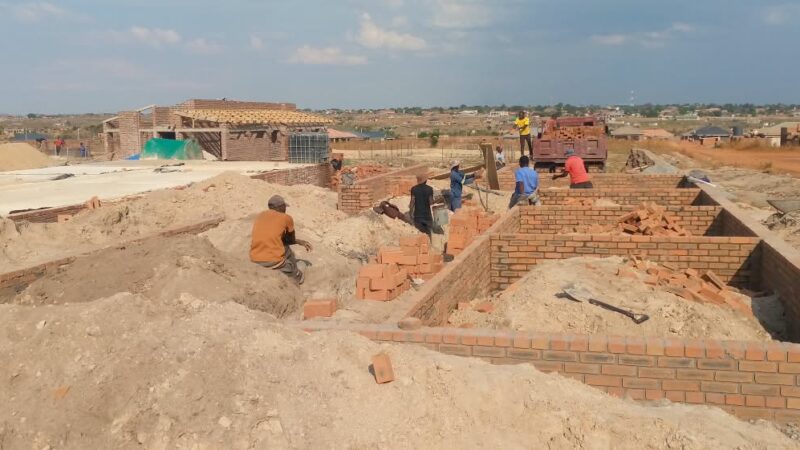
On resource efficiency, Alexandre Machado of A.M Machado said his firm reuses materials and cuts waste. He pointed to road-stabilisation technologies that draw on locally available materials and recycle existing asphalt.
According to Machado, these methods can lower transport requirements, reduce the volume of new materials needed and shorten the number of conventional construction stages. They could also open the way to skills transfer and local production of stabilisation materials. He stressed that sustainable building methods should not push roject costs up unnecessarily.
Lillian Mbayiwa, speaking for Old Mutual Zimbabwe, said the financial services group anchors its strategy in responsible investment, financial inclusion and financial education. The company aims to help customers grow, sustain and protect their wealth, with education supporting informed financial decisions.