The streets of Havana, usually vibrant with the rhythm of classic cars and lively conversations, are increasingly cloaked in darkness. Cuba, an island nation of 10 million people, is grappling with its most severe energy crisis since the “Special Period” of the 1990s. The root of this crisis is a devastating combination of an aging, fragile infrastructure and an unprecedented economic assault by the United States.
📰 For this and more exclusive stories, read our daily digital print edition.
📰 For this and more exclusive stories, read our daily digital print edition.
📰 For this and more exclusive stories, read our daily digital print edition.
Read E-PaperAt the heart of the crisis is the collapse of Cuba’s national power grid. In recent months, the island has experienced a series of nationwide blackouts that have plunged the country into darkness for hours, and sometimes days, at a time. The energy crisis has disrupted daily life, crippling hospitals, halting food production, and leaving millions sweltering in the summer heat without air conditioning or running water.
The latest blackout, which struck late Sunday, August 3, 2026, was the sixth nationwide outage this year . The state-run utility, Unión Eléctrica de Cuba (UNE), reported a “total disconnection” of the national electricity system . The collapse was triggered by an electrical oscillation at the Energas gas-fired plant east of Havana, which wiped out the progress made earlier in the day to restore power .
This is not an isolated incident. In July alone, the grid collapsed three times within nine days . One outage left approximately 10 million people without electricity . The power cuts have made normal life almost impossible. In Havana, when the lights went out, residents who were sitting outside to escape the indoor heat audibly groaned . Frustrations have boiled over, with some residents setting piles of trash on fire or banging on pots and pans to vent their anger .
The underlying causes of these blackouts are manifold. Cuba’s electricity system relies heavily on aging thermoelectric plants, many of which are over 30 years old and suffer from a lack of maintenance . However, the immediate trigger is a severe shortage of fuel. Cuba produces only about 40% of its required fuel and relies heavily on imports .
The Cuban government squarely blames the United States for exacerbating the energy crisis through a comprehensive oil blockade. The situation deteriorated sharply following the US intervention in Venezuela in January 2026, which resulted in the ouster of Venezuelan President Nicolás Maduro, Cuba’s primary oil supplier .
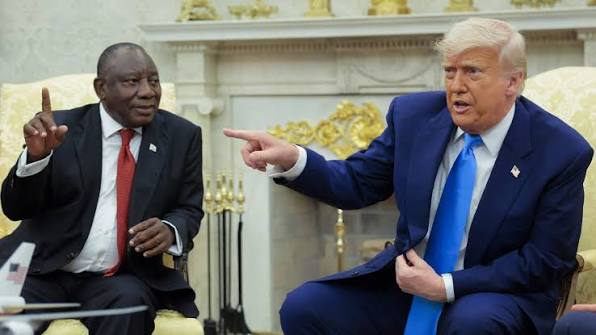
Following Maduro’s capture, the Trump administration moved swiftly to cut off Cuba’s energy lifelines. On January 29, 2026, President Trump signed an executive order authorizing trade tariffs on any country that supplies oil to Cuba . Mexico, which had been Cuba’s second-largest supplier, halted its oil shipments in response to the threats . Furthermore, the US Coast Guard has actively intercepted tankers attempting to deliver fuel to the island, including a Colombian fuel oil tanker within 70 miles of Cuban waters .
The blockade has choked off much of Cuba’s oil supply. As of August 1, 2026, Cuba had received just two major shipments of crude oil in the entire year: a delivery from Mexico in early January, and a single Russian tanker delivery in late March . Cuban authorities estimate that the nation needs about eight fuel tankers a month just to maintain normal operations .
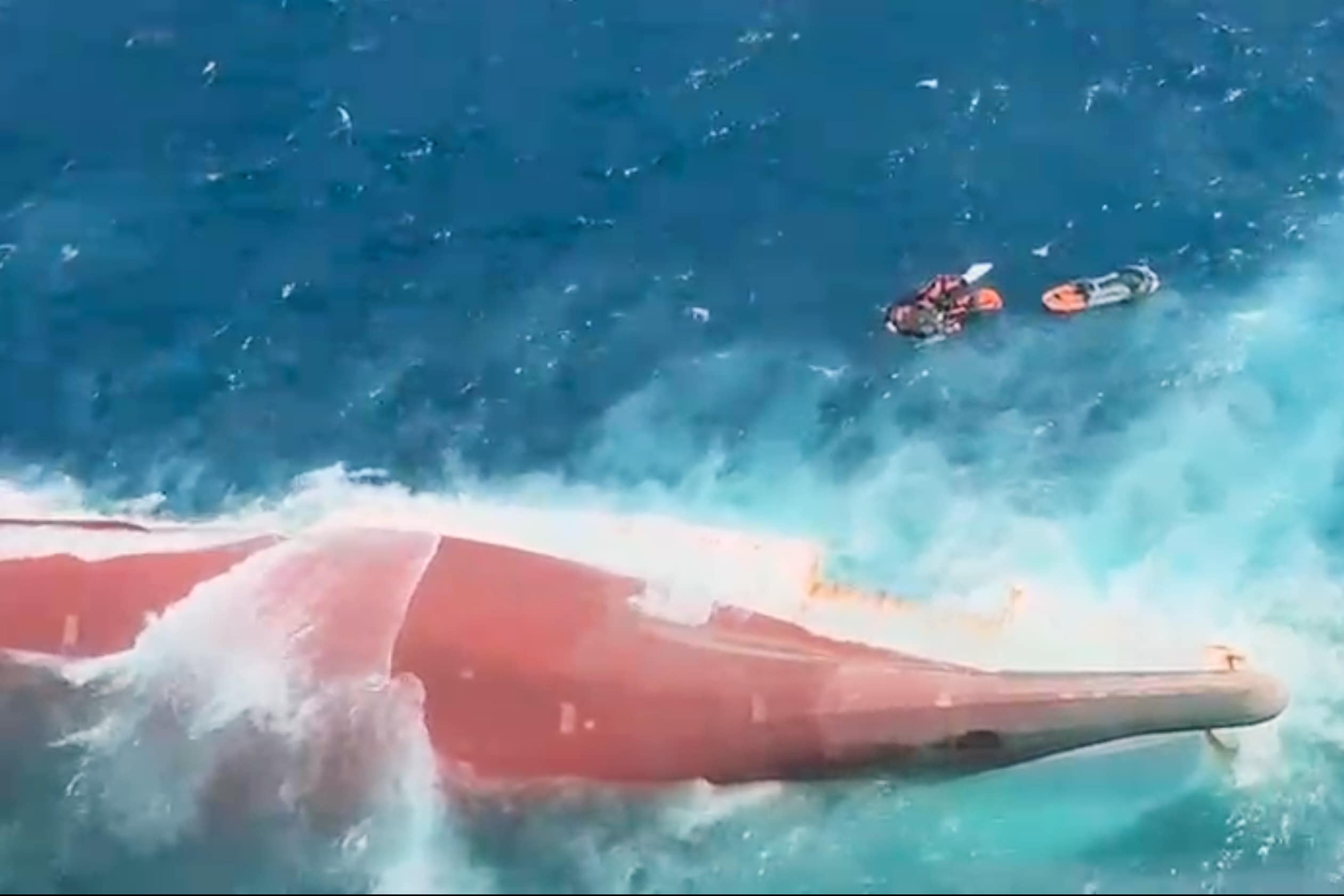
Amidst this suffocating pressure, Russian tankers have emerged as a critical lifeline, testing the limits of the US blockade. In early March 2026, the Hong Kong-flagged tanker Sea Horse became the center of international attention. Believed to be carrying nearly 200,000 barrels of Russian gasoil, the vessel engaged in deceptive shipping practices to evade the blockade .
The Sea Horse switched off its automatic identification systems (AIS) during a ship-to-ship transfer off the coast of Cyprus and later signaled it was “not under command,” drifting in the Sargasso Sea for nearly three weeks before resuming its voyage to Havana . The successful delivery of this fuel provided a brief respite, but the reserves were quickly exhausted .
A more significant breakthrough occurred on March 31, 2026, when the sanctioned Russian tanker Anatoly Kolodkin docked at the Matanzas port, delivering approximately 730,000 barrels of crude oil . This arrival marked the first time in three months that an oil tanker had reached the island . The arrival was celebrated by many Cubans as a sign of international solidarity. “This is undoubtedly a great relief for the Cuban people,” said Camilo Galves, a Matanzas resident .
However, the relief was short-lived. By late April, the oil from the Anatoly Kolodkin had run out, and the rolling blackouts returned with a vengeance . Another shipment of the same tanker arrived in July, delivering another 730,000 barrels, but the structural deficit remains. Only two major Russian tankers have docked in Cuba in the last six months, a fraction of what is required .
The energy crisis has catalyzed a broader economic collapse. The tourism sector, once a vital source of foreign currency, has plummeted, with international arrivals dropping by more than 50% in the first four months of 2026 . Major international hotel chains, including Meliá and Iberostar, have abandoned the country, citing US sanctions targeting military-linked businesses .
The Cuban government has responded with a mix of desperation and resolve. In June 2026, the National Assembly approved a package of 176 economic reforms aimed at decentralizing the economy, facilitating foreign investment, and allowing private banks . President Miguel Díaz-Canel framed the reforms as a long-term strategy of resistance, maintaining that universal education and healthcare remain non-negotiable .
Meanwhile, the international community watches as a nation suffocates. The UN Human Rights Office has warned that the blockade threatens Cuba’s food supply and disrupts water systems and hospitals . The World Food Programme has been unable to distribute essential aid due to fuel shortages .
As Cuba braces for another sweltering, dark night, the contrast is stark. The United States maintains its maximum pressure campaign, while the island nation, battered by an aging grid and an impenetrable blockade, clings to the hope that the next Russian tanker will arrive just in time. The crisis in Cuba is not just a story of failing infrastructure; it is a profound test of national survival against overwhelming geopolitical pressure.